The James Webb Space Telescope (JWST) has done it again.
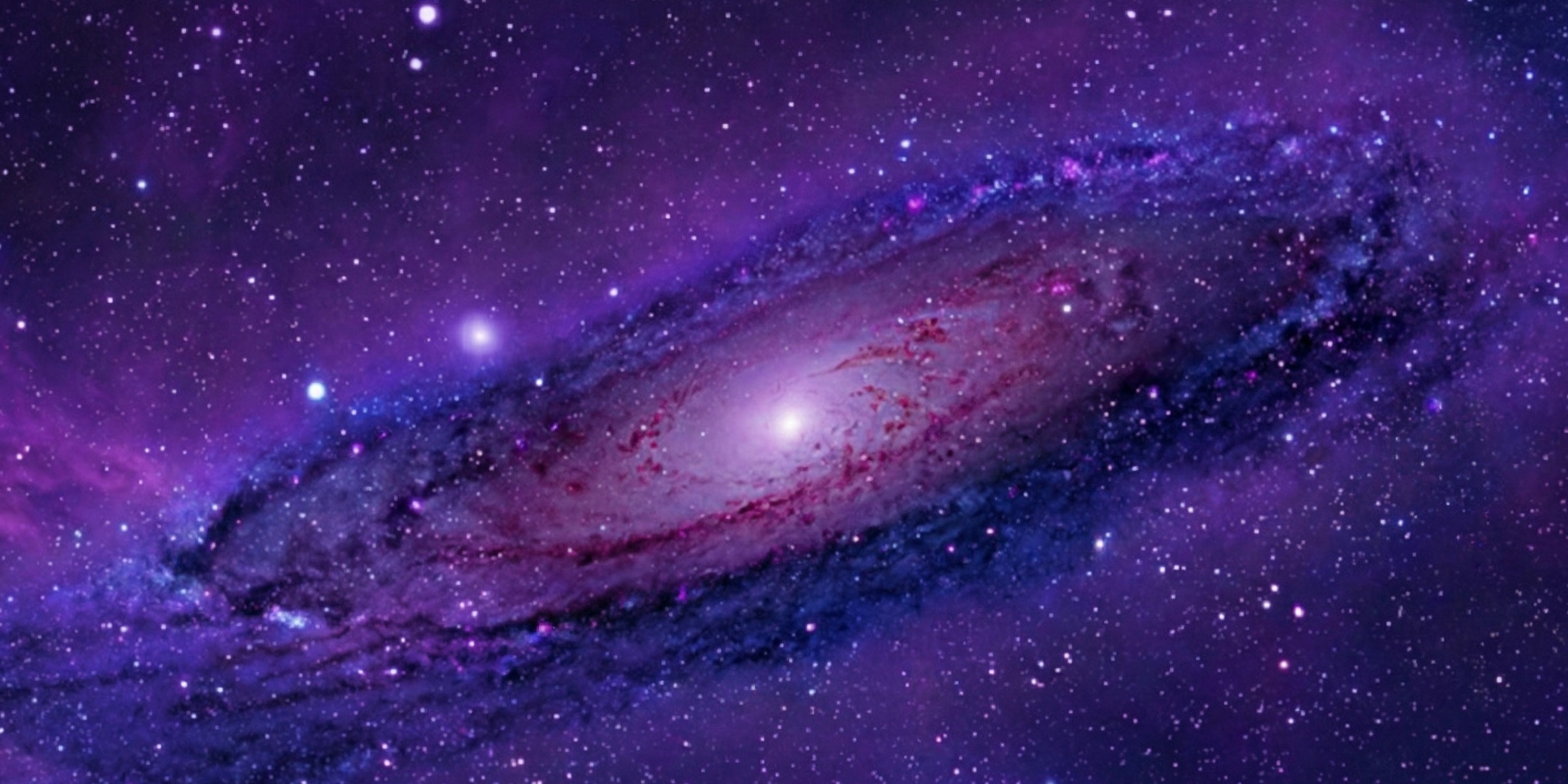
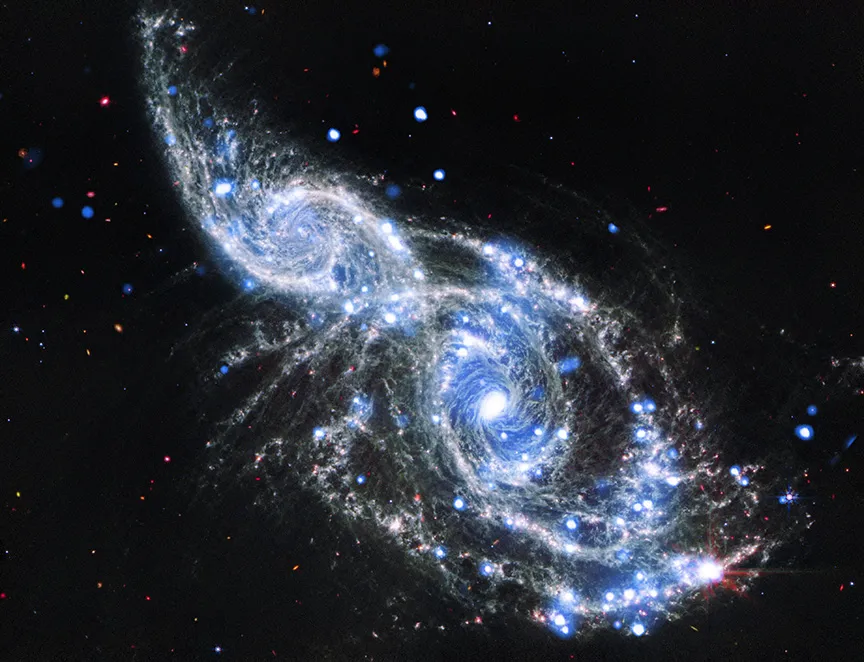
Just this week, the world was treated to a breathtaking new map of the early universe. Gazing into the constellation Sculptor, the JWST’s Near-Infrared Camera (NIRCam) revealed a "cosmic web" of chaos, galaxies, dust, and newborn stars tangled in filaments that have existed for over 13 billion years. It is a stunning reminder of how gravity, dark matter, and time have sculpted the cosmos we inhabit today.
But while the JWST peers billions of years into the past to show us where we came from, a different kind of revolution is happening right here on Earth, one that focuses on now.
While billion-dollar space telescopes unlock the secrets of the ancient universe, the day-to-day monitoring of our dynamic, changing sky is being placed back into the hands of the most important demographic in science: you.
The Other Side of Astronomy
The JWST is our "eye in the deep," but we also need "eyes on the street." The universe isn't a static painting; it is a bustling highway of near-Earth asteroids, shifting comets, exploding stars, and orbiting satellites. No single observatory can watch it all.
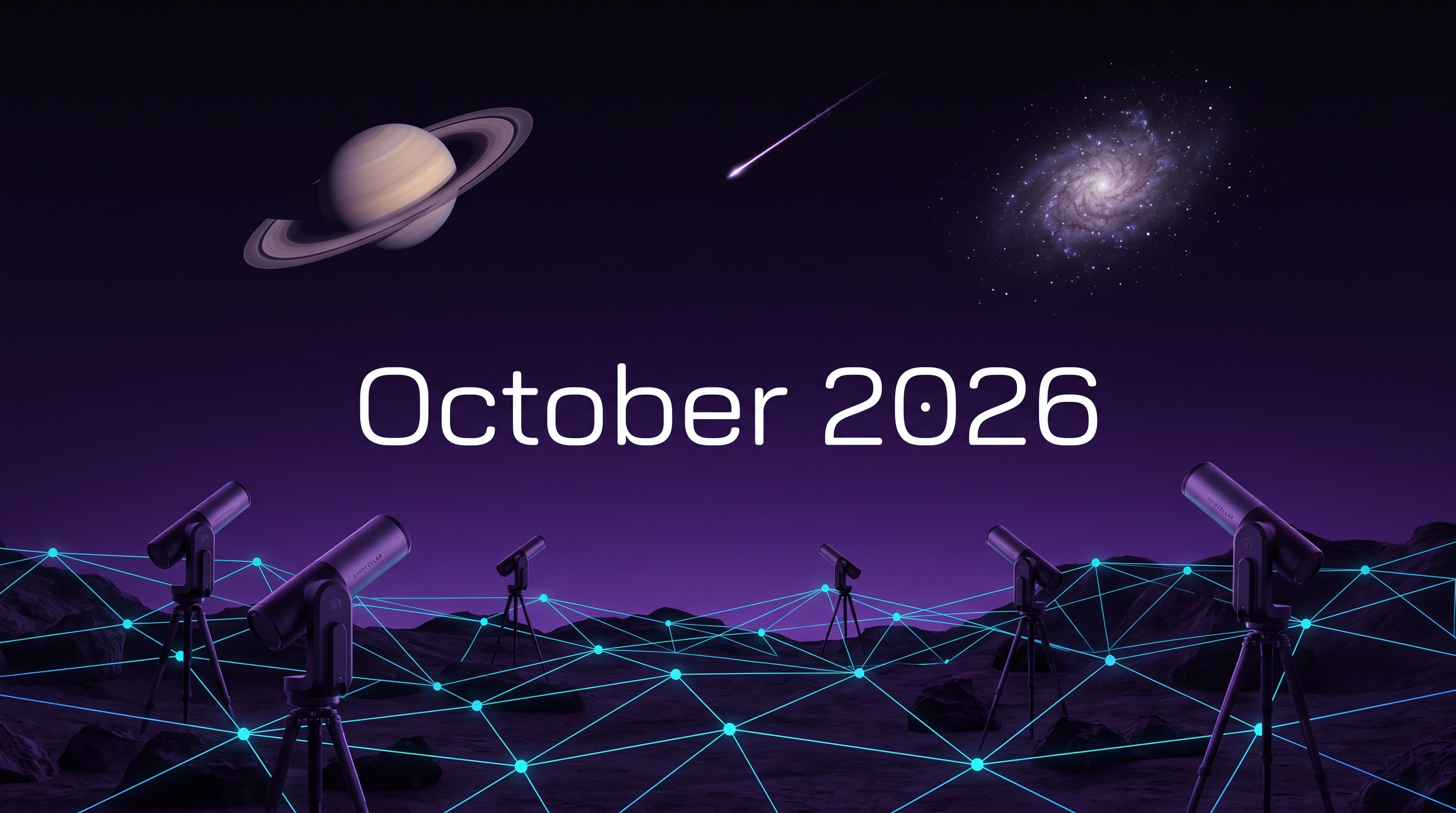
This is why SkyMapper exists. By building a decentralized, global network of telescopes, we are creating a living map of the sky that updates in real-time. But we aren't doing it alone. Through our partnerships with industry leaders like the SETI Institute and Unistellar, we are proving that the future of astronomy isn't just about government agencies, it’s about citizen engagement.
Partners in Discovery: SETI and Unistellar
SkyMapper’s collaborative ecosystem is designed to keep astronomy alive and accessible.
- Unistellar & The Citizen Army: Unistellar has revolutionized amateur astronomy with their smart telescopes, but they’ve done something even more important: they’ve mobilized a global army of observers. By integrating with the SkyMapper network, Unistellar users aren't just looking at pretty pictures; they are generating scientific data. From tracking the disintegration of comets to recording the impact of NASA’s DART mission on an asteroid, these "backyard" astronomers are capturing events that professional observatories might miss due to location or weather.
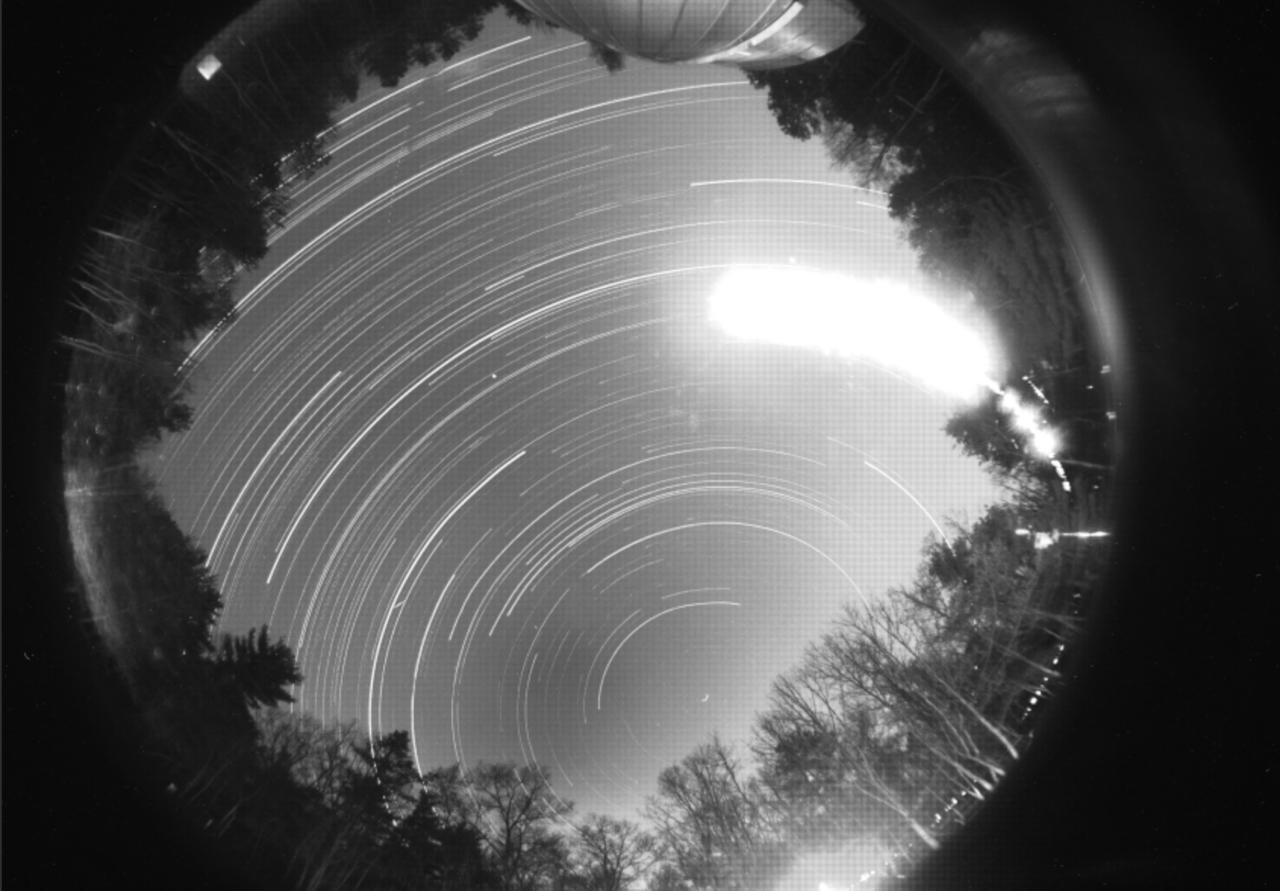
- The SETI Institute: The search for understanding, and perhaps life, beyond Earth requires massive amounts of data. The SETI Institute leverages the SkyMapper network to expand its reach. Whether it’s monitoring meteor showers via the CAMS project or scanning for laser signals from deep space, the collaboration ensures that citizen-collected data feeds directly into world-class scientific research.
Why It Matters
The JWST’s new map reminds us of the scale of the universe. It is vast, ancient, and often overwhelming. It is easy to feel small when looking at light that traveled 13 billion years to reach us.
However, platforms like SkyMapper, SETI and Unistellar flip the script. They empower you to be an active participant rather than a passive observer. When you connect a telescope to our network, or when a Unistellar user points their scope at a transiting exoplanet, you aren't just watching the universe; you are helping to catalogue it.
The JWST gives us the history book of the cosmos. SkyMapper, with the help of SETI and Unistellar, is giving citizens the pen to write the next chapter.
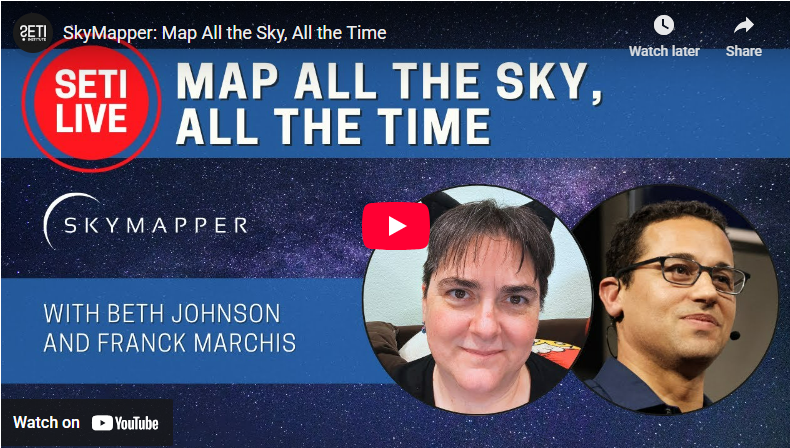
Ready to join the SkyMapper network? Learn more at SkyMapper.io.
SZ3 2026