
SkyBridge & SkyViewer
SkyBridge is your gateway to the SkyMapper network, turning any telescope into a node in the world’s first decentralized sky mapping system. With simple setup, onboard AI, and real-time connectivity, SkyBridge automates observations, streams data securely to the blockchain, and opens the door to collaborative cosmic discovery for everyone, from backyard astronomers to professional researchers.
SkyViewer transforms raw data into an interactive window on the universe. Designed for scientists, educators, and citizen explorers, it lets you follow live observations, track campaigns across the globe, and dive into real-time discoveries, all from one intuitive platform, built for collaboration and accessibility.
SkyViewer transforms raw data into an interactive window on the universe. Designed for scientists, educators, and citizen explorers, it lets you follow live observations, track campaigns across the globe, and dive into real-time discoveries, all from one intuitive platform, built for collaboration and accessibility.
SkyBridge
The SkyBridge is the essential, plug-and-play hardware that instantly integrates your personal telescope into the decentralized SkyMapper observation network. This device features a built-in computer powered with artificial intelligence, machine learning algorithms enable automated telescope control, 24/7 data capture, and real-time onboard analysis, effectively transforming your telescope into a powerful, global scientific asset for collaborative projects. By automating complex operations and providing seamless connectivity, the SkyBridge significantly reduces operational complexity, allowing your telescope to effortlessly contribute to global astronomical coverage.
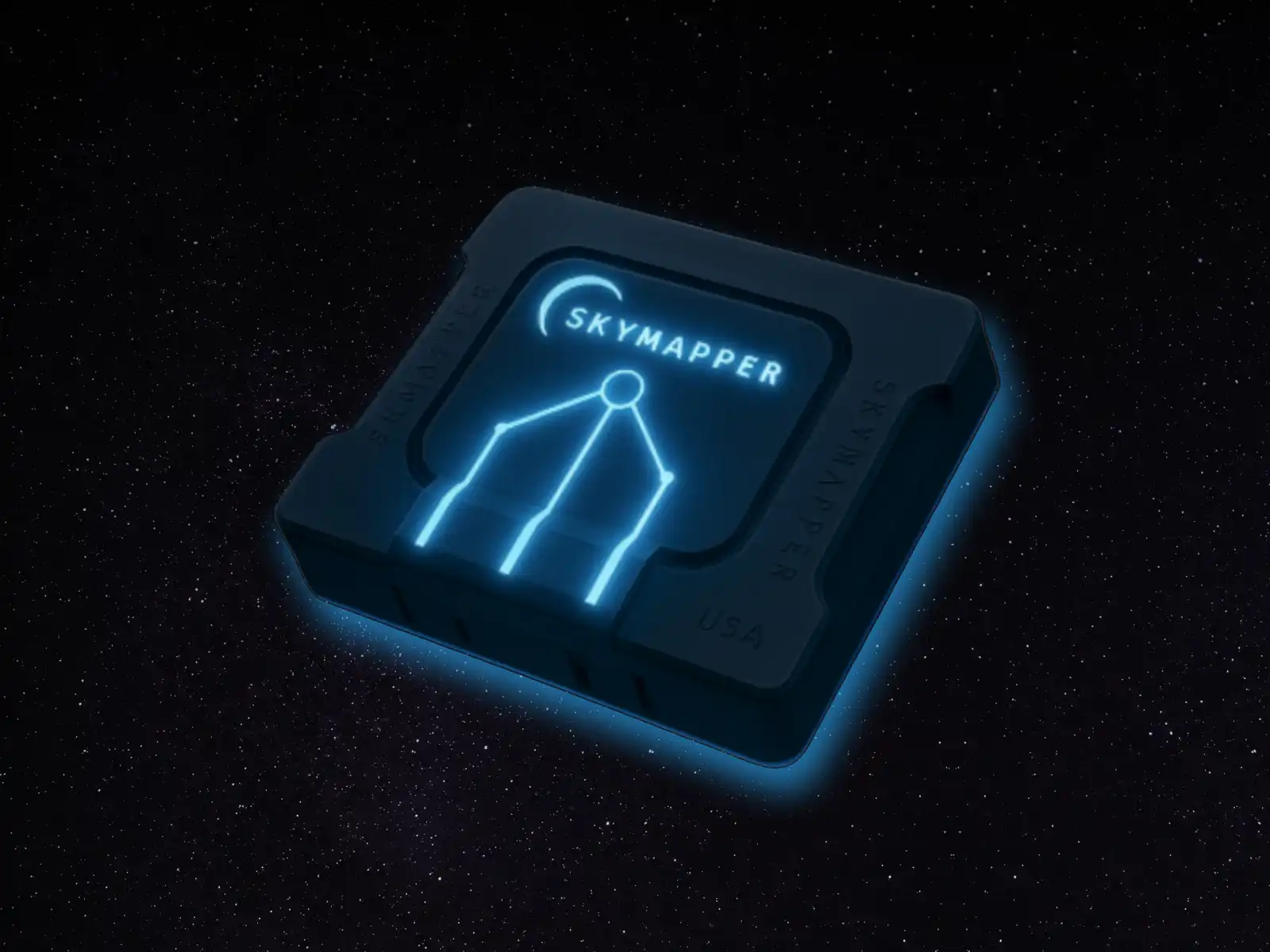
Plug-and-play telescope integration
Onboard AI processing for data pre-analysis
GPS & Wi-Fi enabled for real-time connectivity
Automated telescope control & data capture
Decentralized network participation
Easy setup for users of all skill levels
Enables 24/7 global observation coverage
Reduces operational complexity for scientists
SkyViewer
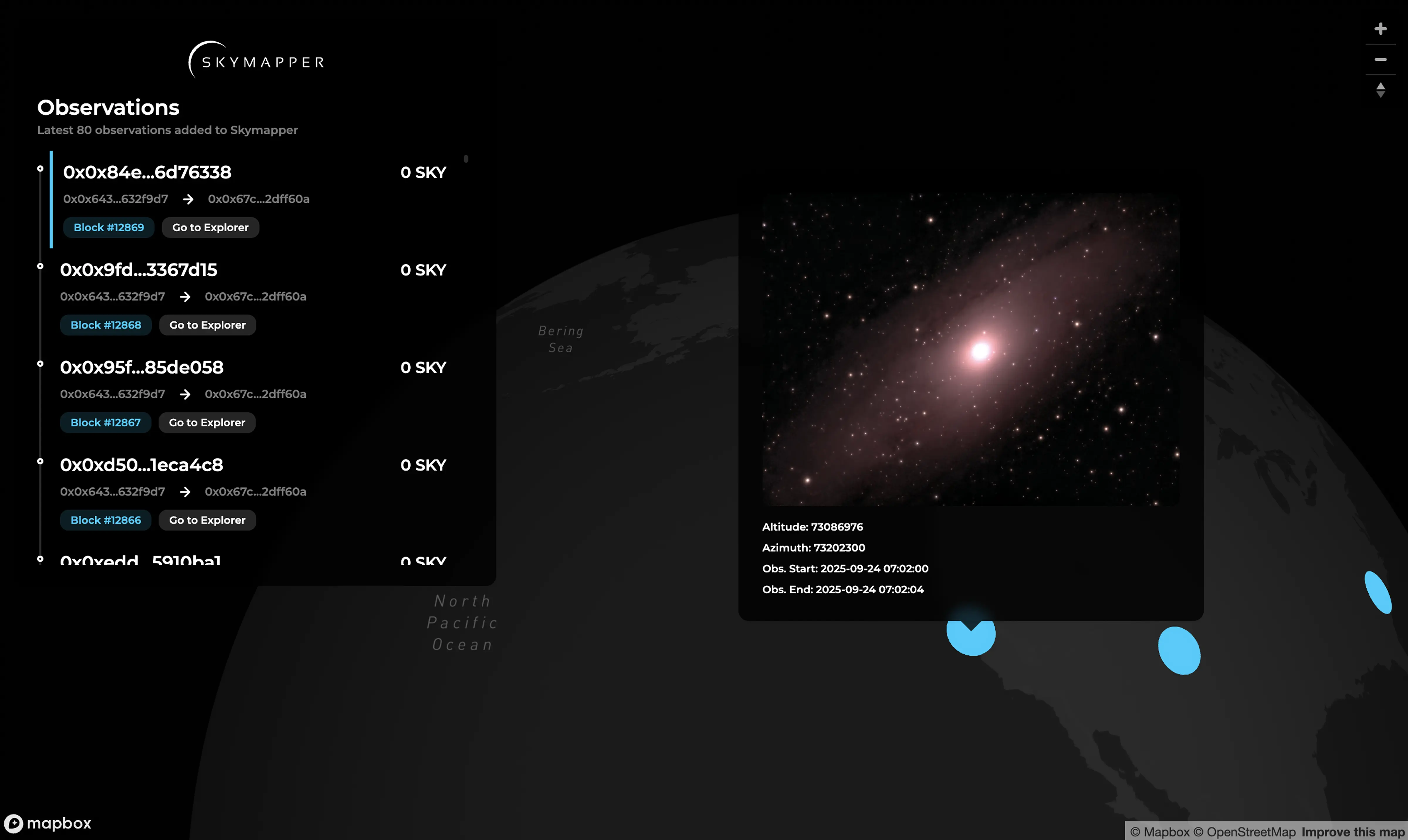
SkyViewer is the streamlined, next-generation interface that transforms raw astronomical data into an interactive window on the universe, putting the power of a global telescope network at your fingertips. Its capabilities make advanced astronomical research accessible to everyone by allowing you to launch scientific observation campaigns with a single click, leveraging intelligent scheduling that automatically matches your targets to the best available telescopes in the SkyMapper network.
You can follow live observations from around the world, track discoveries in real time, and when your own telescope is connected via SkyBridge, you gain the unique ability to remotely observe through other SkyBridge-enabled telescopes, turning local cloudy skies into clear views from the other side of the planet. SkyViewer serves as the central platform for collaborating on global science projects and joining a vibrant community of citizen explorers and researchers.
You can follow live observations from around the world, track discoveries in real time, and when your own telescope is connected via SkyBridge, you gain the unique ability to remotely observe through other SkyBridge-enabled telescopes, turning local cloudy skies into clear views from the other side of the planet. SkyViewer serves as the central platform for collaborating on global science projects and joining a vibrant community of citizen explorers and researchers.
One-click telescope alignment
Intelligent scheduling of observations
Real-time status and visibility tracking
Streamlined data submission & retrieval
Campaign-level coordination across telescopes
.webp)
Benefits
Efficient use of telescope resources

Simplified user experience for pros & amateurs
Faster, more collaborative science campaigns

What you can do on SkyViewer
Launch observations in seconds
Submit targets with one click and let the system find the best telescope to observe them.
Watch live telescope feeds
Follow real-time observations streaming in from telescopes around the world.
Observe remotely
Access telescopes globally when your local sky is cloudy or you away from home.
Run science campaigns
Coordinate multi-telescope observation projects with automatic scheduling.
Browse discoveries
Explore a gallery of astronomical photos and observations from the network.
Contribute your telescope
Connect your own telescope with SkyBridge to join the network and gain access to others.
Collaborate on research
Join global science projects with professional researchers and citizen scientists.
Track your observations
Monitor the status of your submitted targets in real time as they're being observed.
Observe. Earn. Contribute.
You don't have to work at NASA to contribute to space EXPLORATION.
Observations
Photo Gallery
Captured by SkyMapper’s global network of telescopes, these images showcase the beauty of deep space, satellites, and transient celestial events. All images are contributed by our community and verified on the blockchain. Each photo is more than a snapshot; it’s a piece of a shared journey to map and understand the universe together.
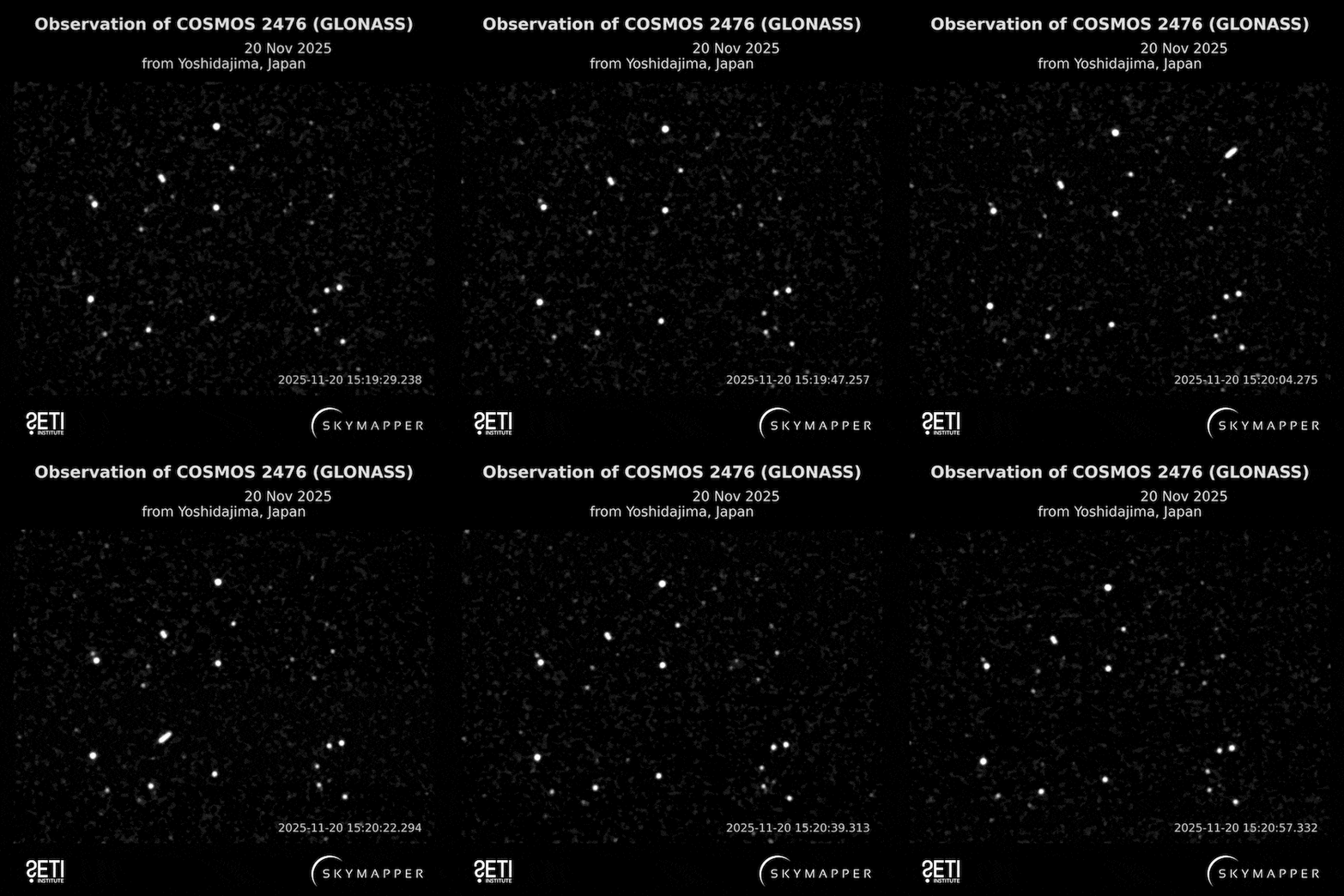
Detection of satellite (COSMOS 2476/GLONASS), Captured in United States from a telescope in Japan, November 20, 2025
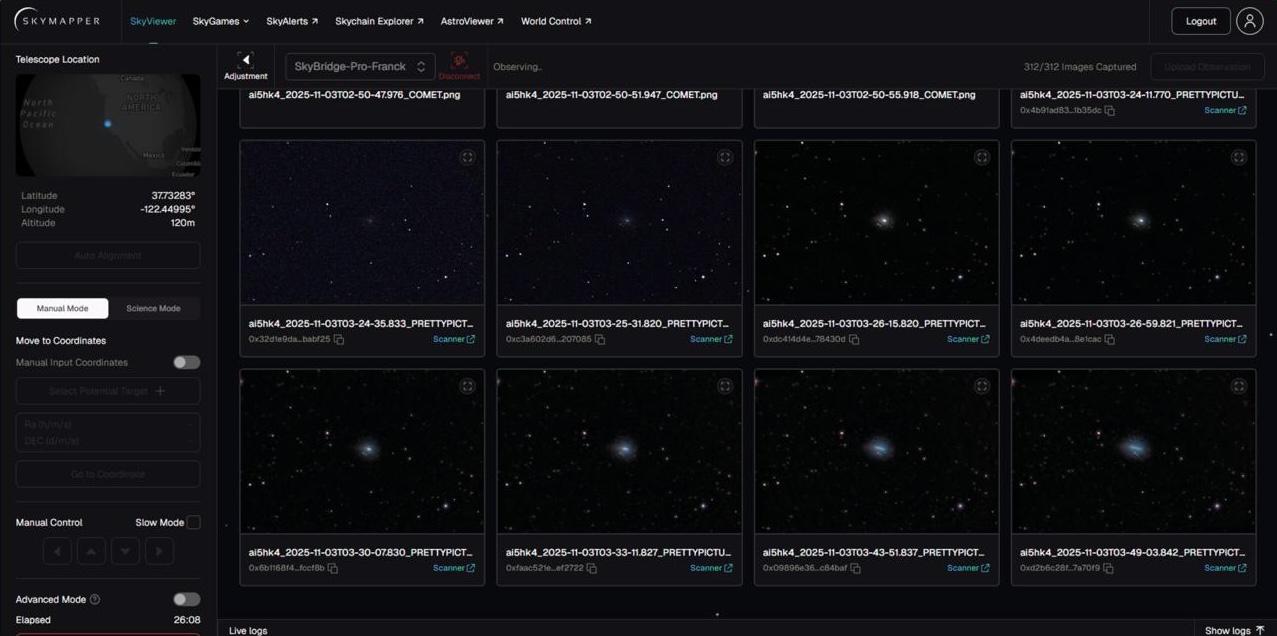
Swan Comet (C/2025 R2) (SWAN) Observaiton build on SkyViewer, Captured in United States, November 02, 2025
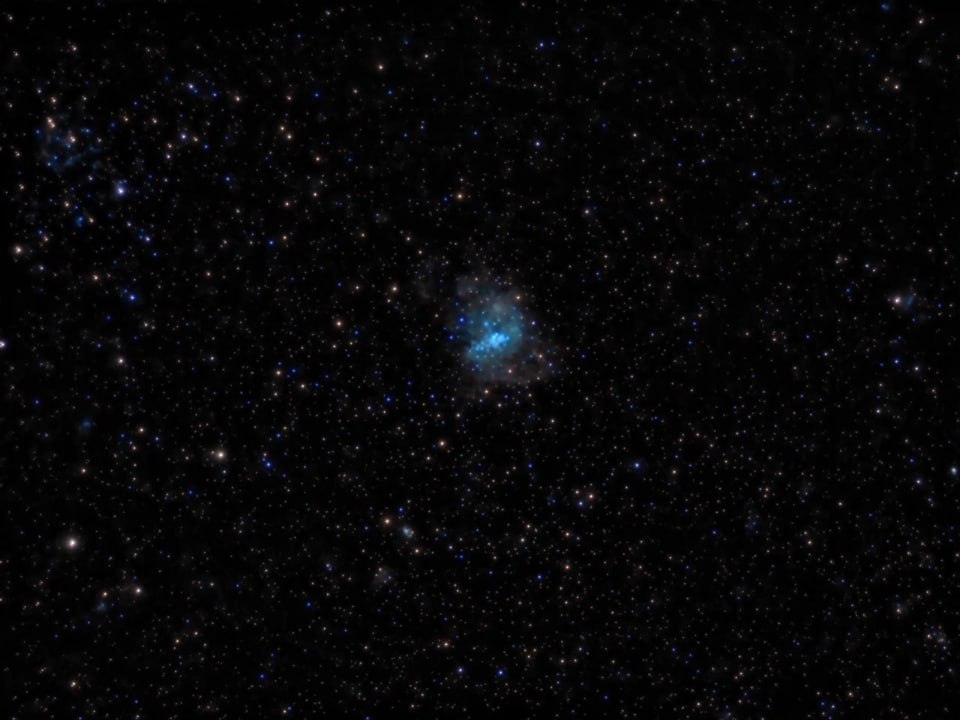
"Star Factory" Open Cluster (NGC 346), Captured in United States from a telescope in Chile, November 02, 2025
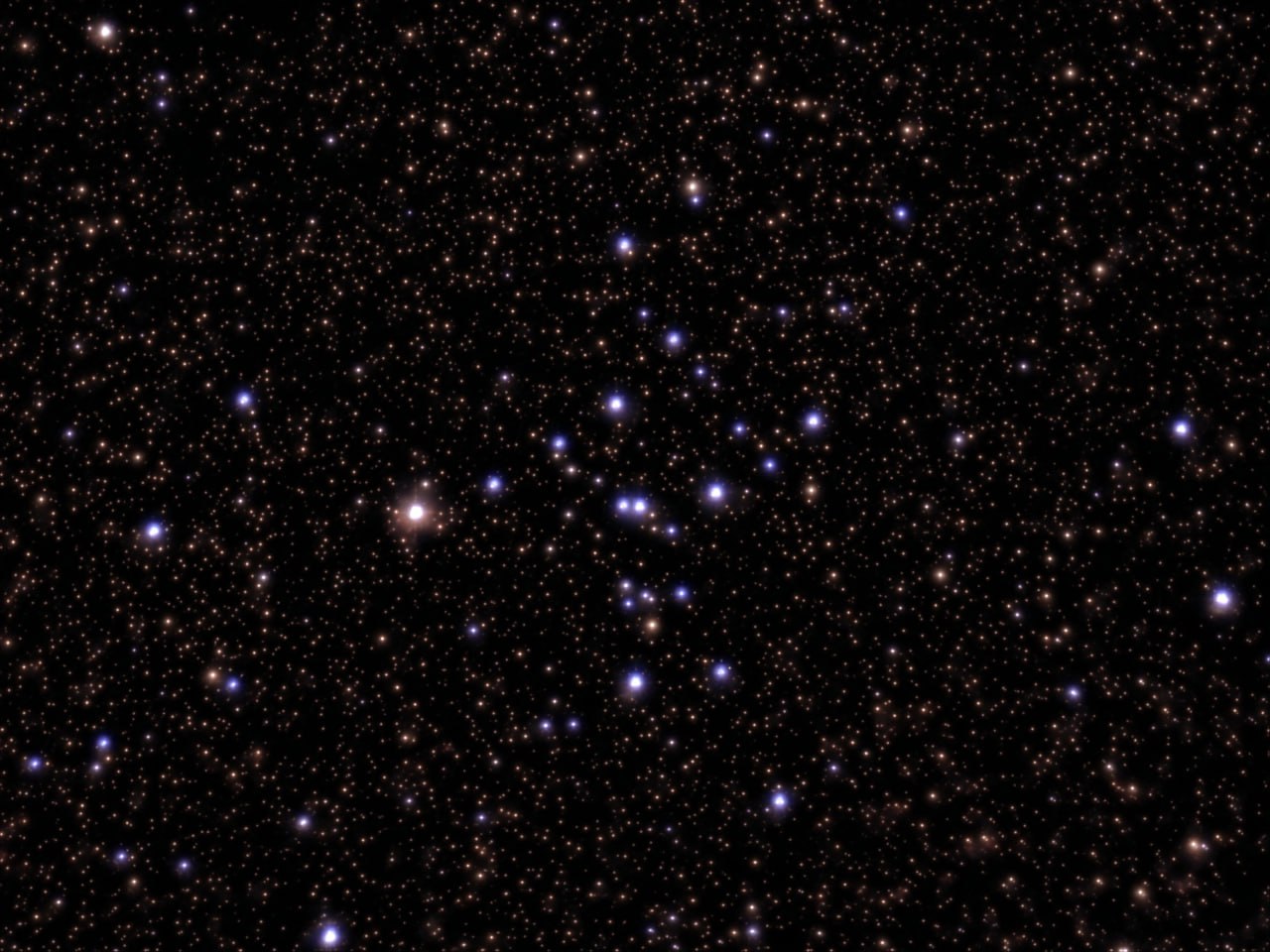
Ptolemy's Cluster (M7), Captured in United States from a telescope in Chile, November 11, 2025

Cooling Tower Cluster (M29), Captured in South Carolina US from a telescope in Colorado US, November 15, 2025
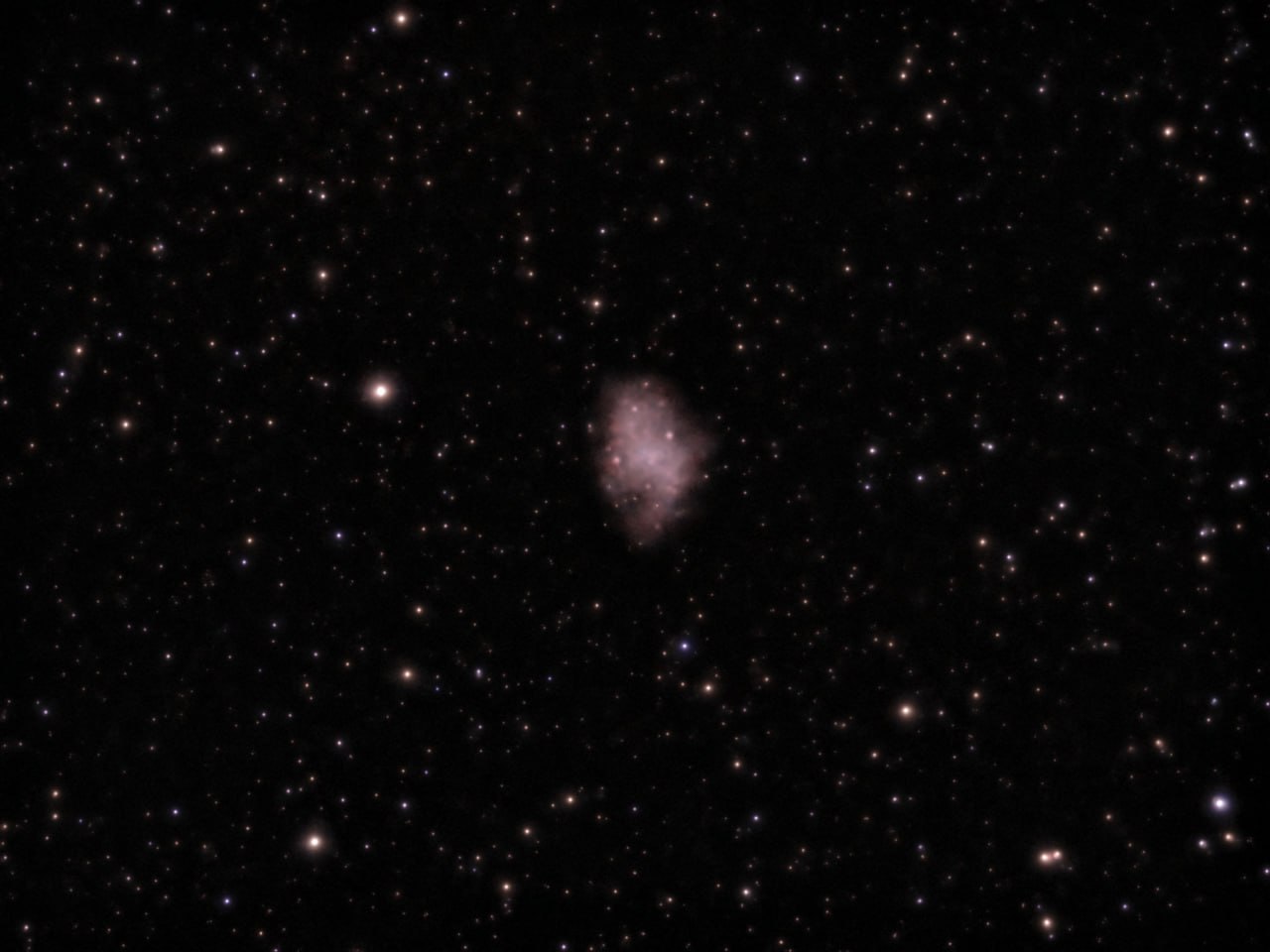
Crab Nebula (M1), Captured in France from a telescope in Japan, November 02, 2025

Triangulum Galaxy (M33), Captured in United States from a telescope in Australia, November 01, 2025
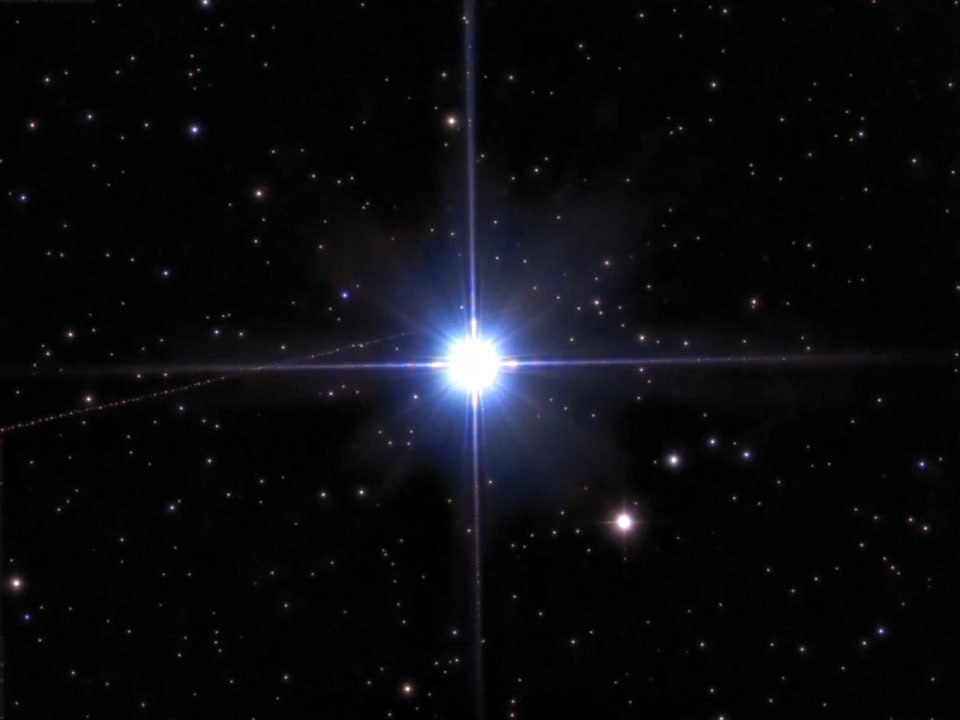
Canopus (A9II), Captured in Colorado US from a telescope in Chile, November 16, 2025
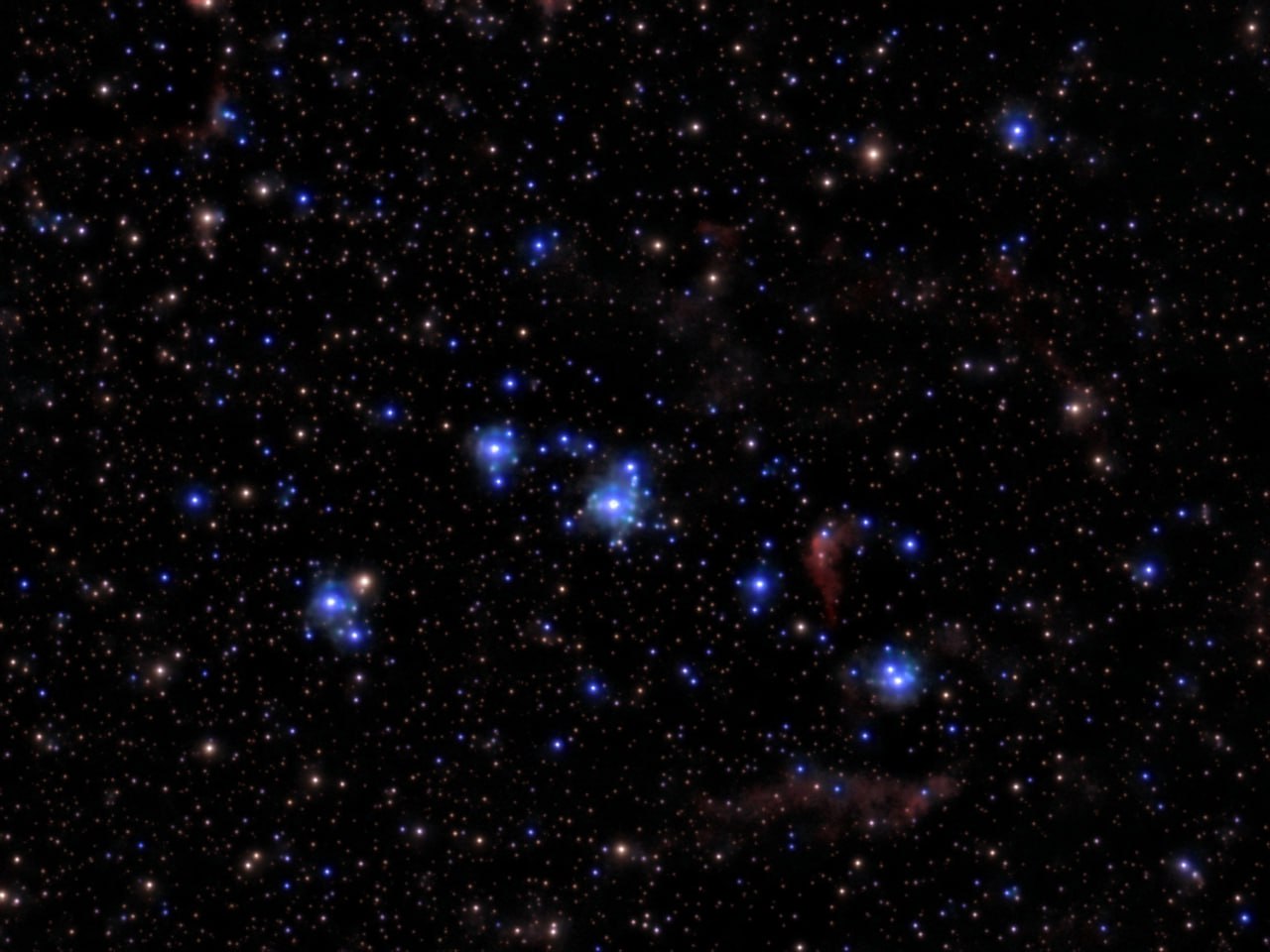
Running Chicken Nebula (IC 2944), Captured in United States from a telescope in New Zealand, November 16, 2025

Sculptor Galaxy (NGC 253), Captured in United States from a telescope in Chile, November 11, 2025
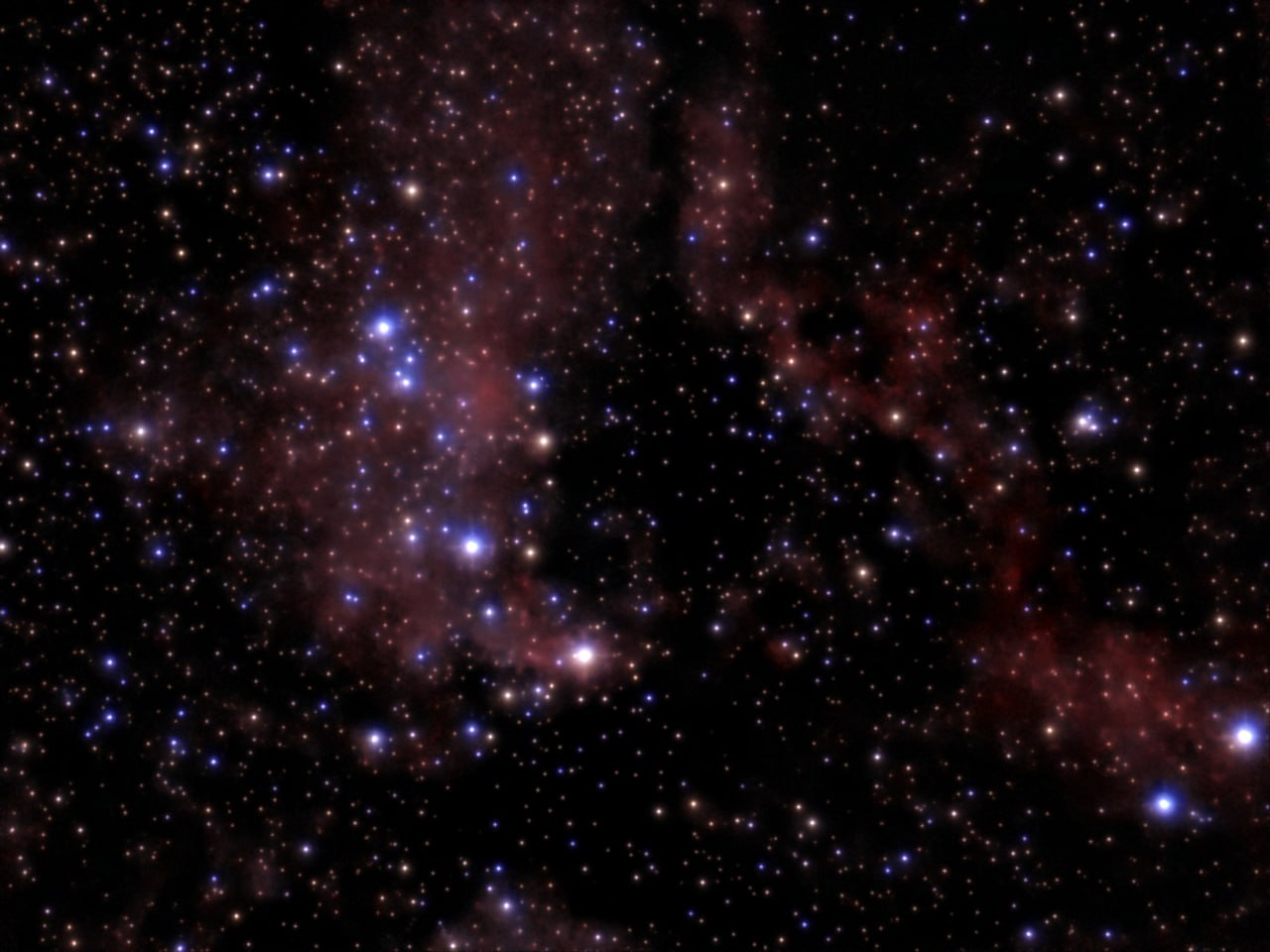
Eta Carinae (NGC 3372), Captured in Japan from a telescope in Australia, November 03, 2025
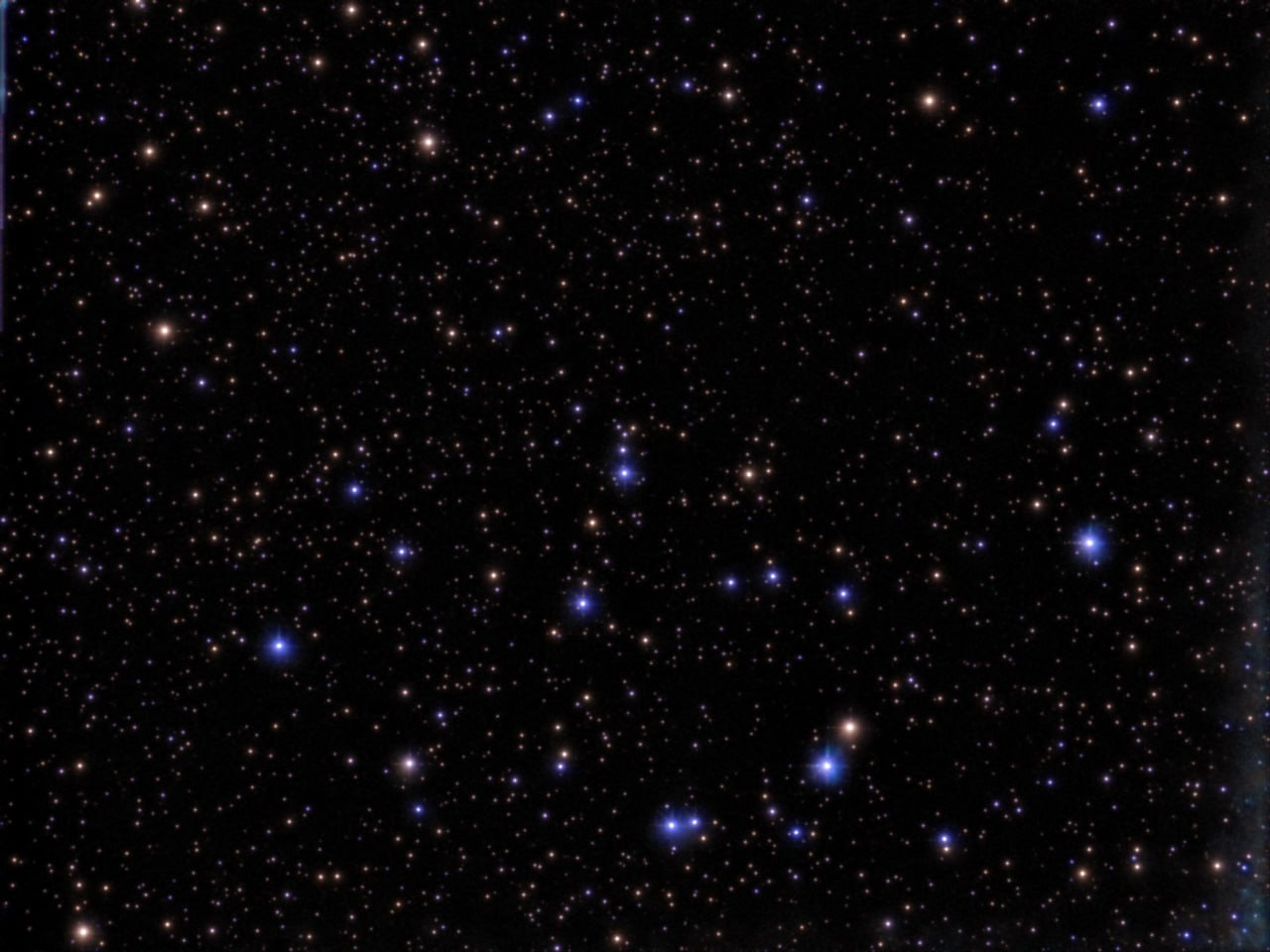
Pyramid Cluster in open cluster Cygnus, Captured in United States from a telescope in Puerto Rico, October 30, 2025
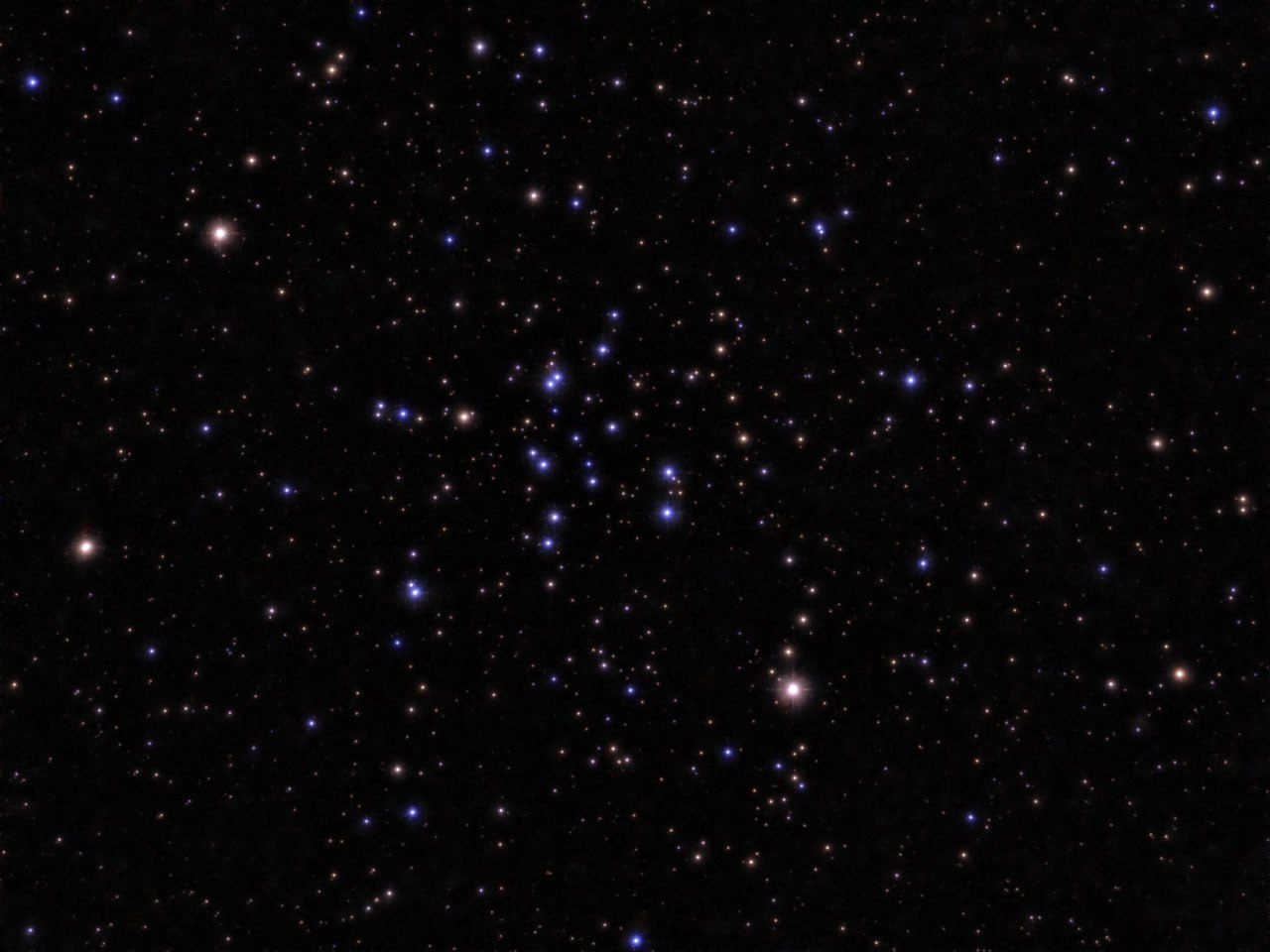
Spiral Cluster (M34) in open cluster Perseus, Captured in United States from a telescope in France, October 30, 2025
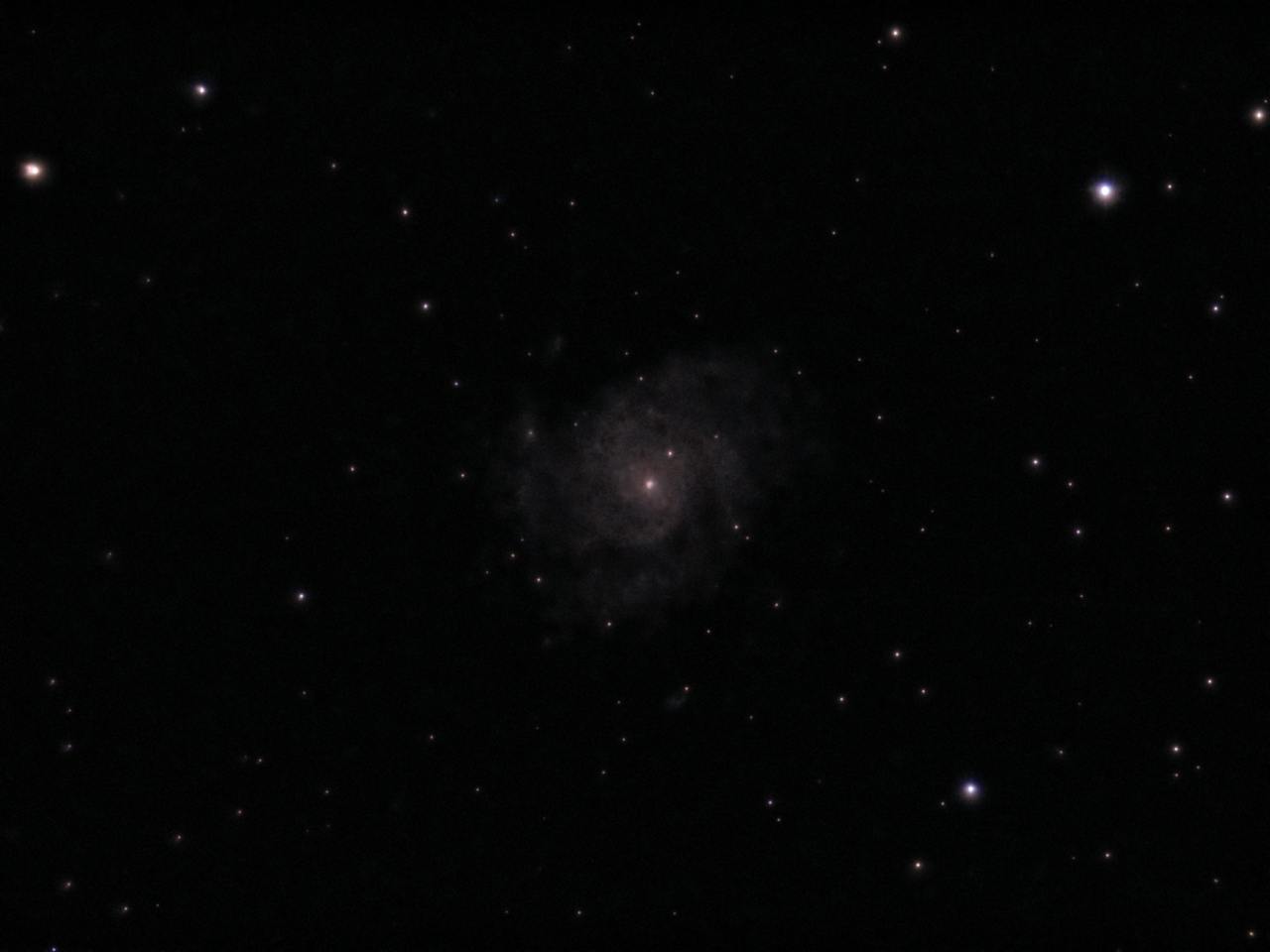
Pinwheel Galaxy (M101), Captured in United States from our first Early Adopter, October 28, 2025

PANSTARRS Comet (C/2022 N2), Captured in France from a telescope in Japan, October 29, 2025
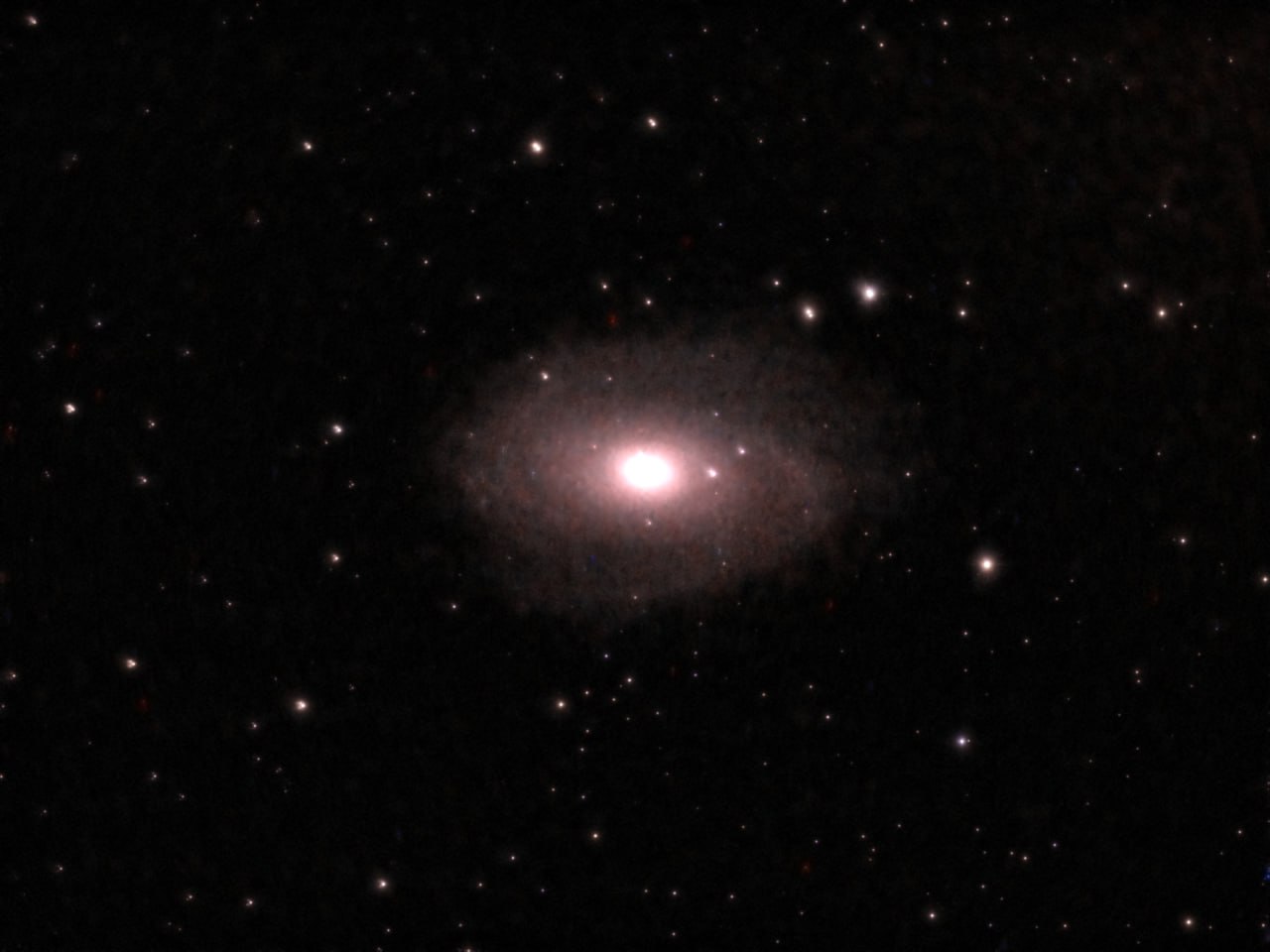
Bode's Galaxy (M81), Captured in South Carolina US from a telescope in San Francisco US, October 28, 2025
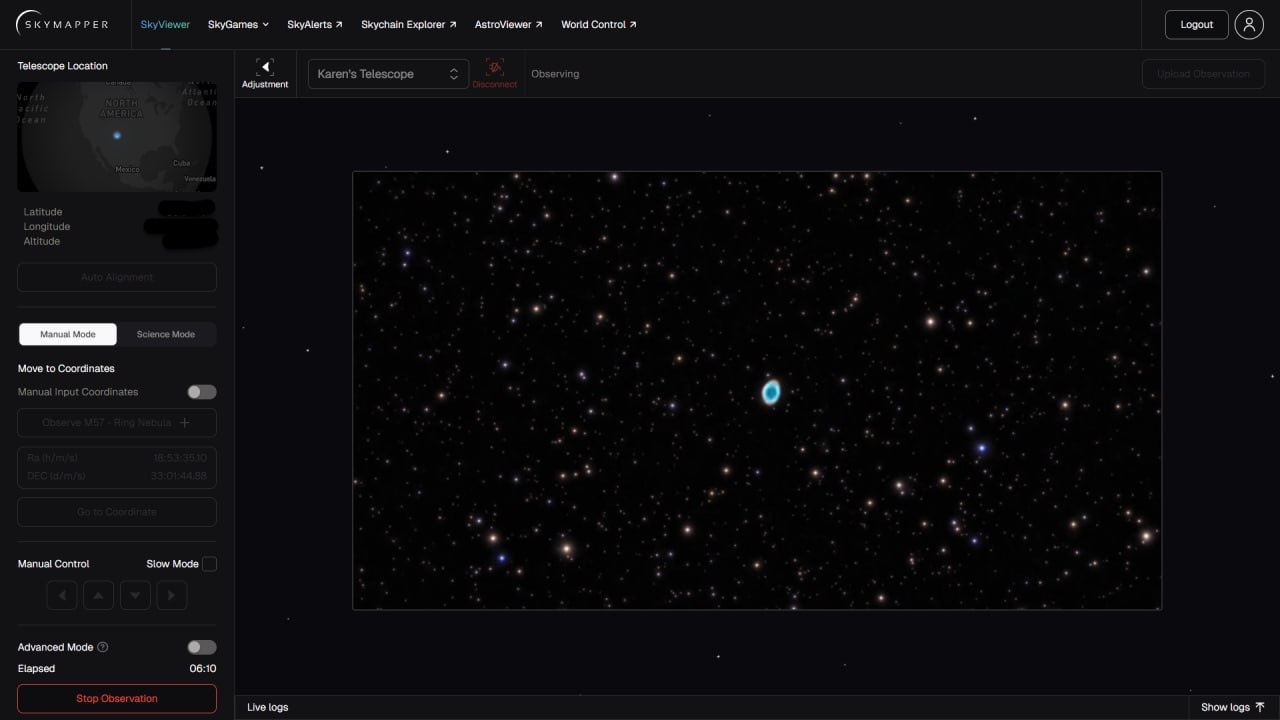
Ring Nebula (M57), Captured in Colorado US from a telescope in New Mexico US, October 27, 2025
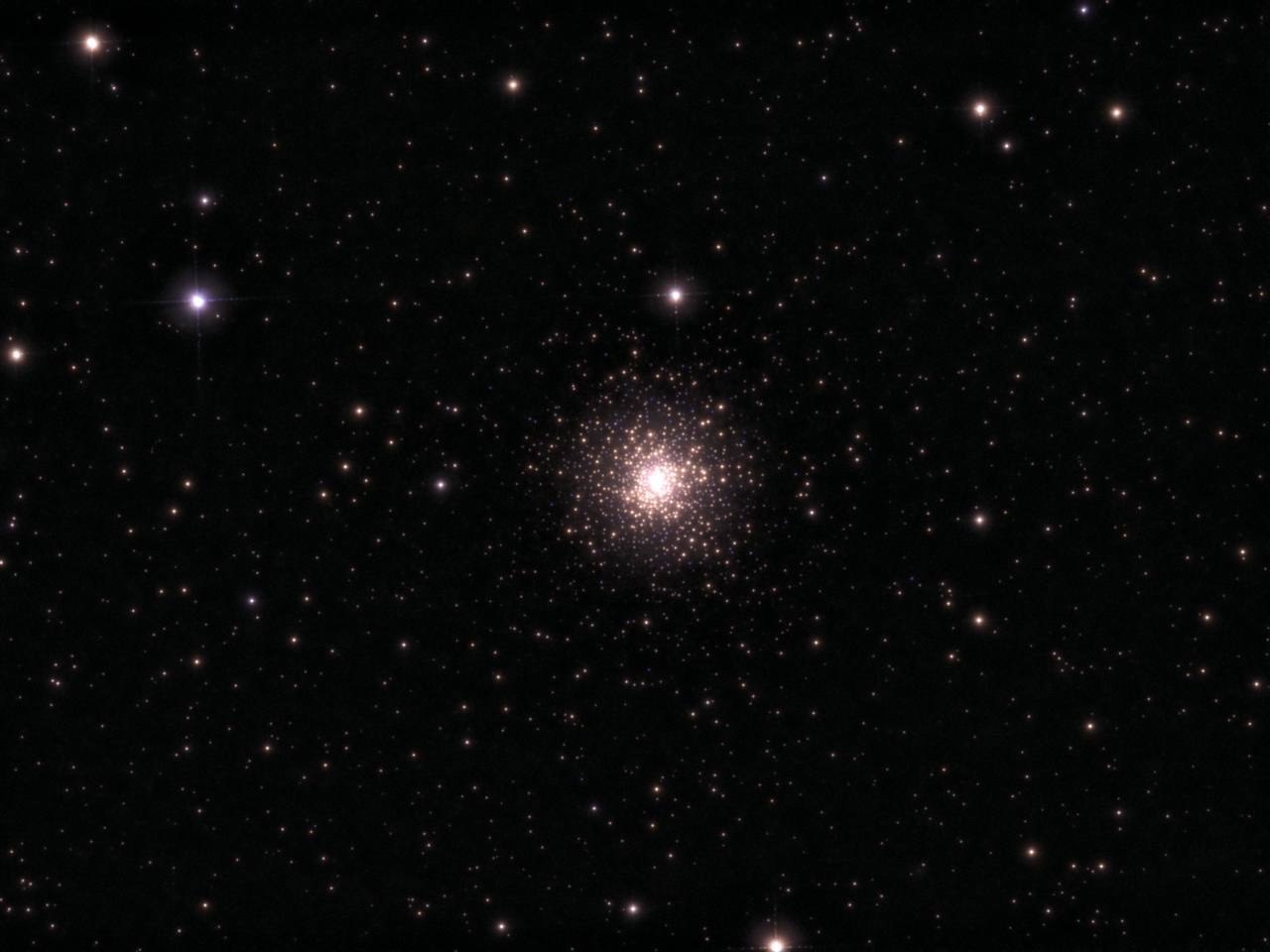
Great Pegasus Cluster (M15), Captured in New Mexico US from a telescope in Wisconsin US, October 24, 2025
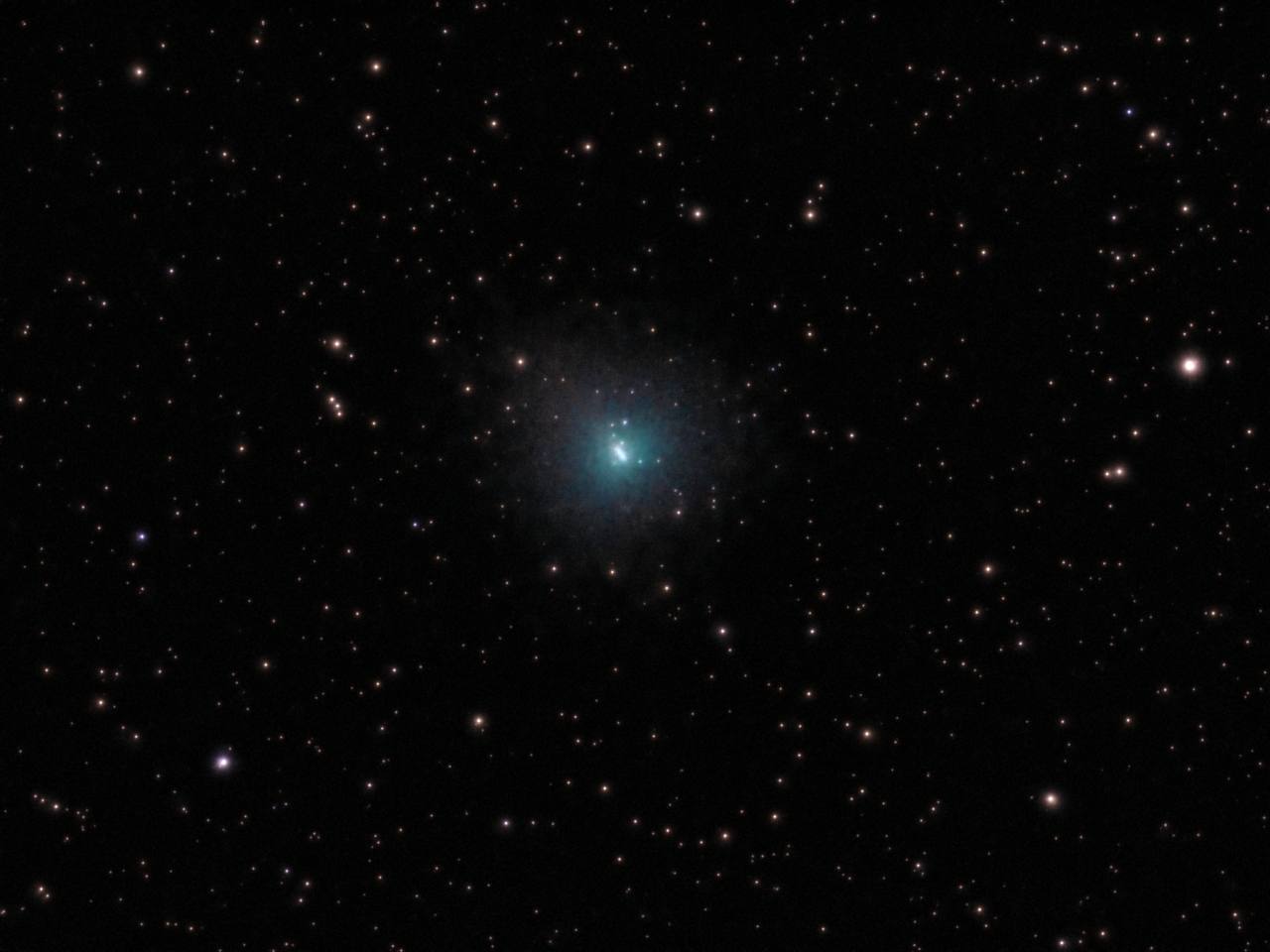
Swan Comet (C/2025 R2), Captured in Australia from a telescope in United States, October 22, 2025

Ring Nebula (M57), Captured by our first telescope in Canada, October 22, 2025
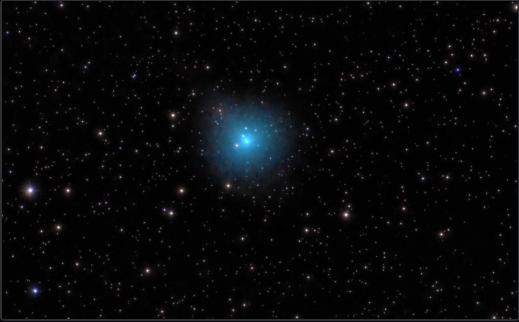
Swan Comet (C/2025 R2), Captured in United States, October 21, 2025
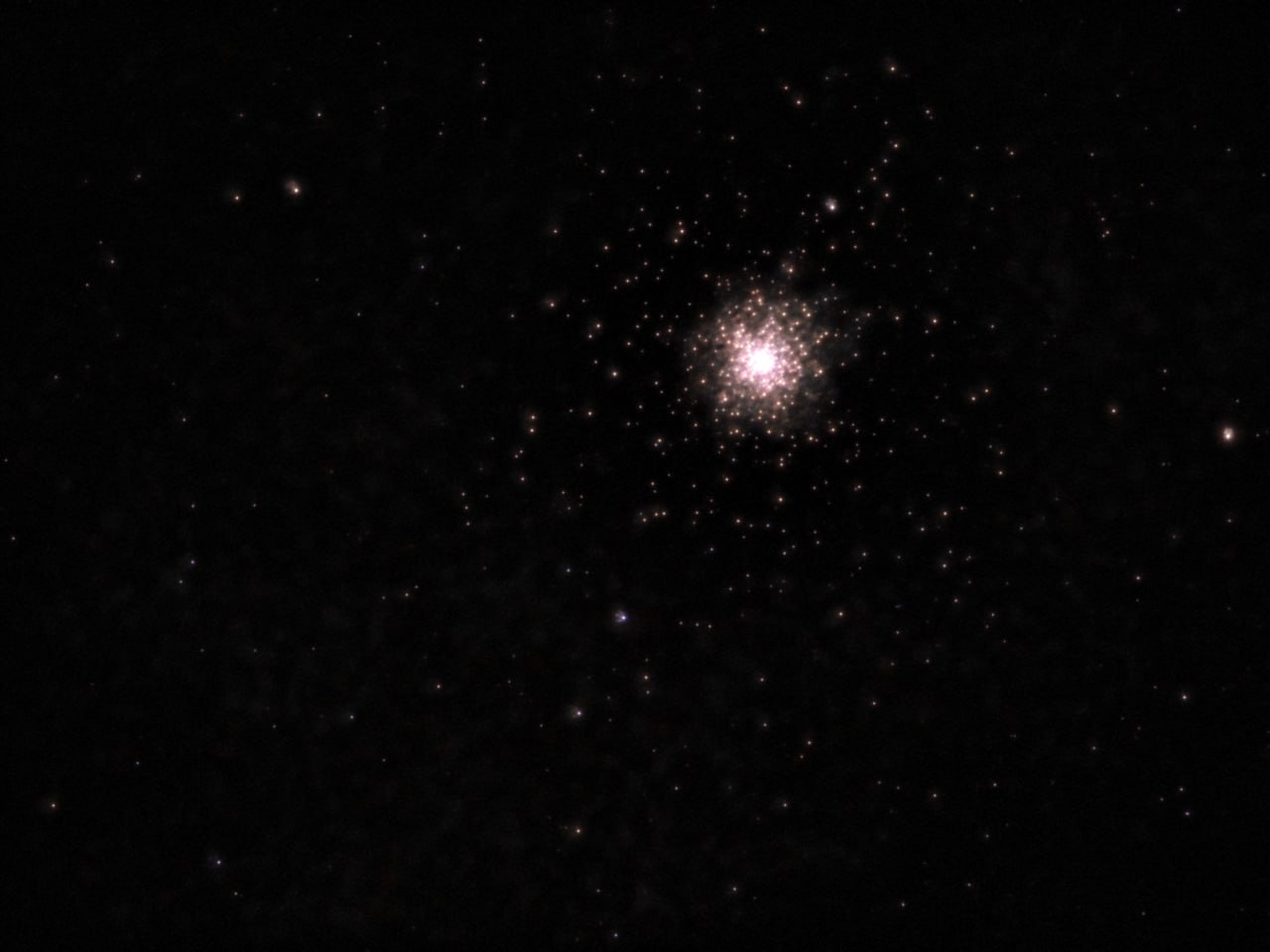
47 Tucana Cluster (NCG 104), Captured in Chile, October 20, 2025
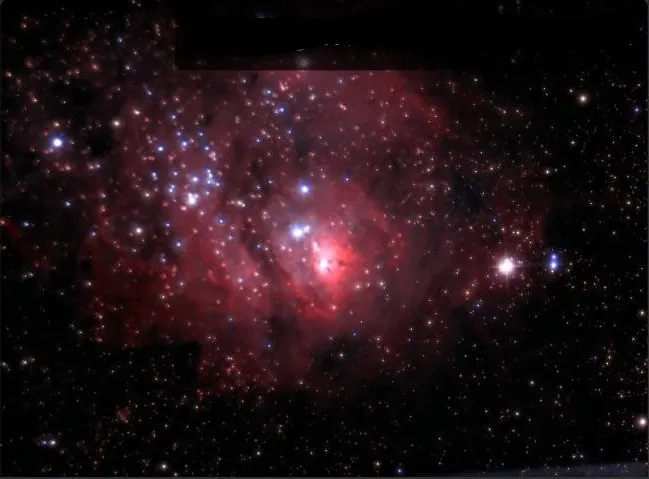
Lagoon Nebula (M8), Captured in Puerto Rico, August 22, 2025
%2C%20Puerto%20Rico%20.avif)
Dumbbell Nebula (M27), Captured in Puerto Rico, September 4, 2025
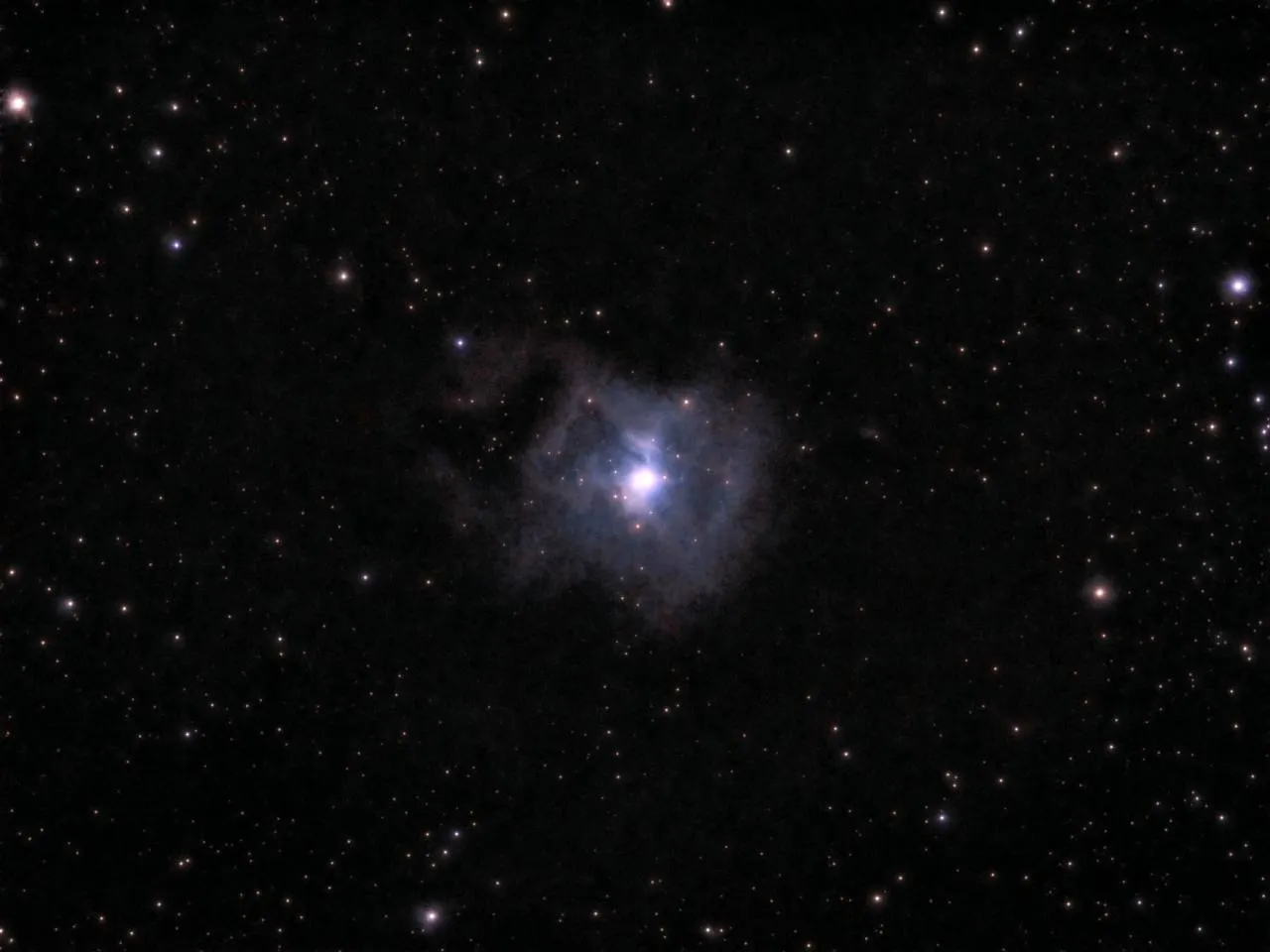
Iris Nebula (NGC 7023), Captured in New Zealand, September 29, 2025
%20%20%20.webp)
Orion Nebula (M42), Captured in Australia, August 16, 2025
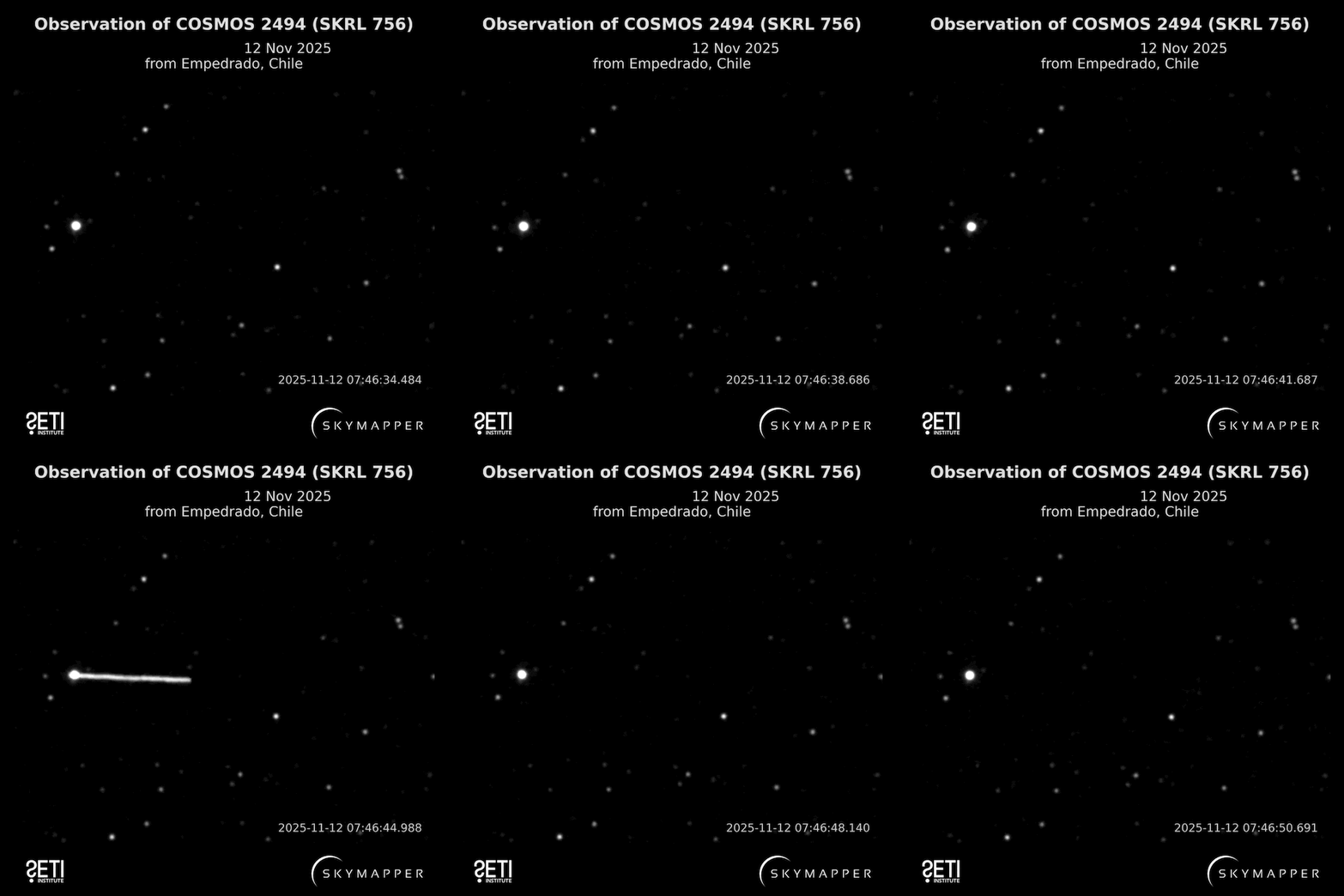
Detection of satellite (COSMOS 2494), Captured in United States from a telescope in Chile, November 12, 2025