How did you get into astronomy? Some of SkyMapper’s Beta Testers share their stories
It’s not every day you get to sit down with some of the most dedicated citizen scientists in the world. Recently, our team had the pleasure of working with a group of beta testers for SkyMapper’s new astronomical data visualization tool, SkyBridge. This passionate group, all Unistellar telescope owners, shared not only their initial impressions of the software but also their personal stories about what ignited their interest in the cosmos. Their stories are a testament to how diverse and personal the journey into astronomy can be. Here are a few of their unique paths to the stars and some of the valuable contributions they’ve made to the field of citizen science.
Scott Lancelle: From Halley’s Comet to Exoplanet Discovery
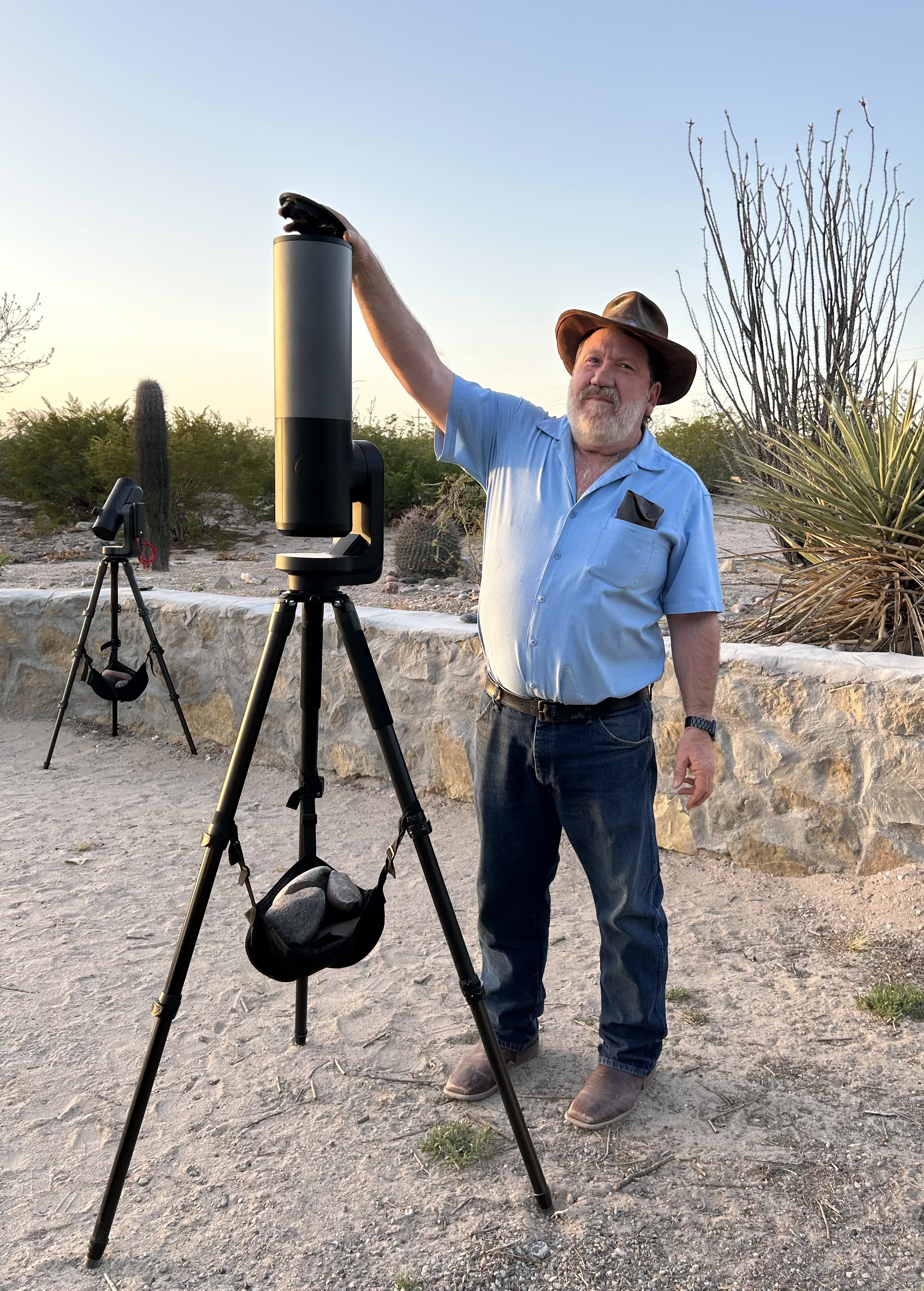
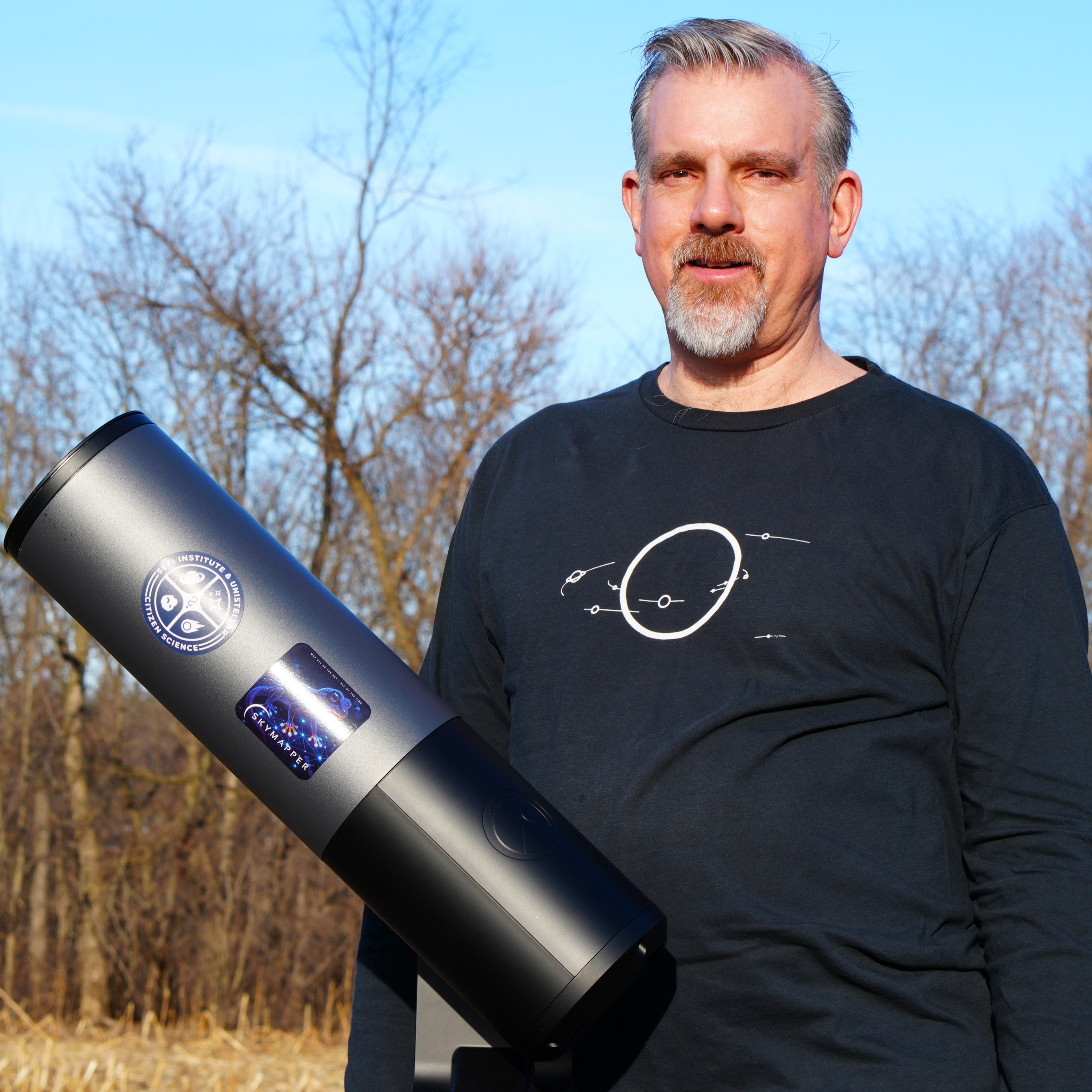
Scott Lancelle’s journey into the cosmos began under the dark rural skies of his childhood, where his father first pointed out the shimmering band of the Milky Way. Fueled by the iconic Voyager 1 and 2 mission photos found in books and magazines, Scott spent his youth dreaming of distant worlds. At age 14, he received his first telescope, just in time to witness the 1986 return of Halley’s Comet, a moment that solidified his lifelong bond with the stars.
After decades of casual stargazing, Scott’s passion was reignited when he discovered the world of professional-amateur collaboration. Hearing members of a local astronomical club discuss their contributions to real-world research transformed his hobby into a mission. As one of the first 20 members of the SkyMapper network, Scott found his niche in citizen science.
Today, Scott is a prolific observer, having submitted hundreds of observations of variable stars, comets, and asteroids. He is a key member of "Team Cheese," a collaborative group from the Milwaukee Astronomical Society dedicated to deep-space research. His most notable contribution to date involved providing critical observations to confirm the period of TOI 5571.01. Located 1,988 light-years away, this discovery marked the first "TESS duo" candidate ever confirmed by the Unistellar Network, an achievement that earned Scott credit worthy of a second scientific paper.
When he isn’t tracking exoplanets, Scott serves on the Board of Directors for the Racine Astronomical Society and leads training classes at the Milwaukee Astronomical Society. For Scott, the joy of SkyMapper lies in the power of the network: "My interest has always been about the citizen science aspect—helping more people get involved in this exciting endeavor and supporting the research that connects us all to the universe."
John Bradley, and his Astrophotography Journey
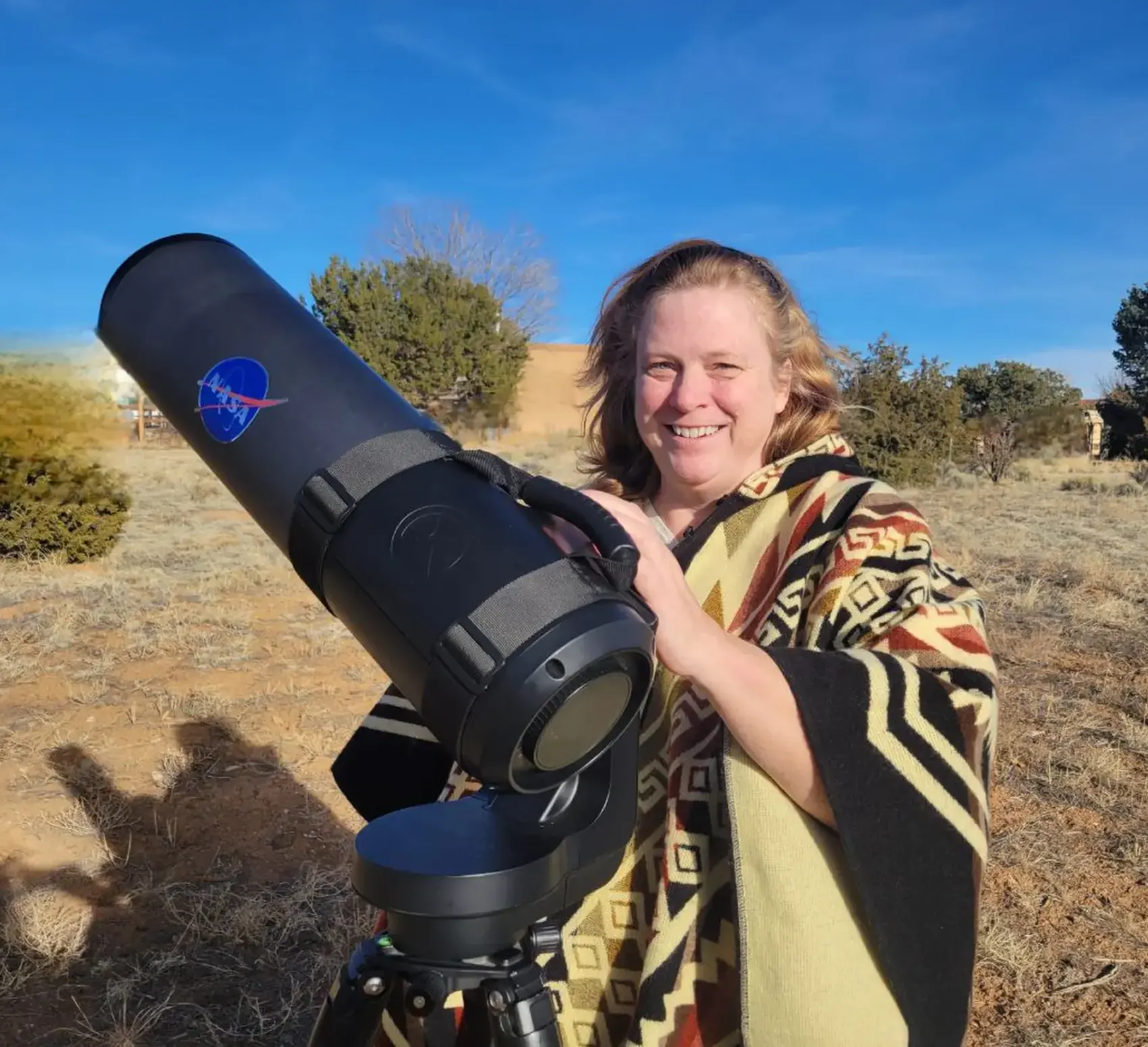
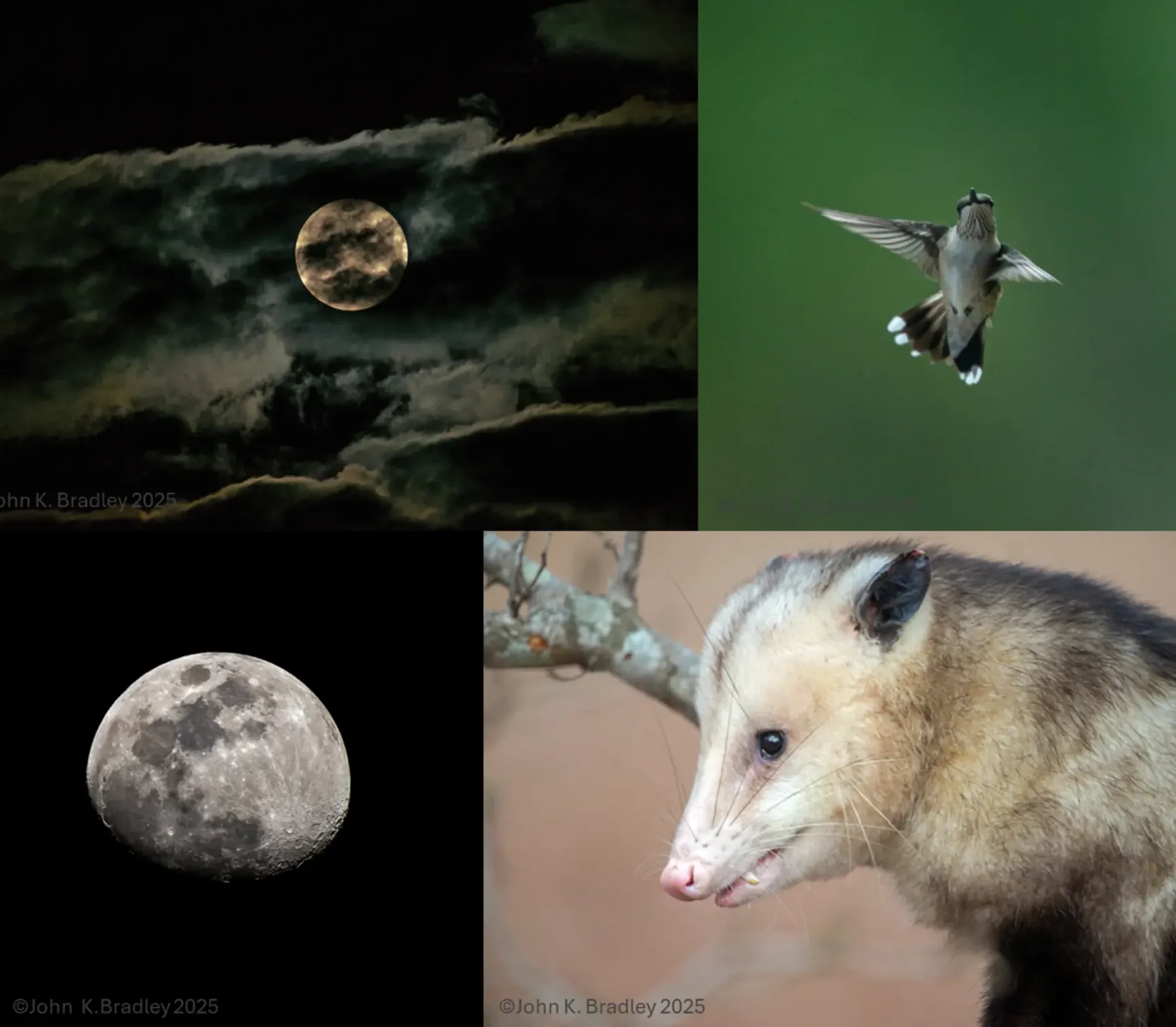
John K. Bradley's journey into astronomy began with a terrestrial obsession: photography. For years John has been an avid DSLR photographer of nature, and for him, the Moon and night sky was a natural extension of his existing hobby. “Trying to capture images of DSOs is certainly a natural progression. Objects in space have a mesmerizing beauty,” said John.
John is a prolific astrophotographer within the Unistellar community, and his stunning images of deep-sky objects like the Veil Nebula and the Wizard Nebula have been featured on Unistellar’s official blog and social media. His work not only showcases the capabilities of Unistellar telescopes but also inspires other users. As a member of the Unistellar network, his observations contribute to a larger pool of data used to monitor comets, detect exoplanets, and study asteroid occultations.
Margaret Loose: A Dog's Walk Under a Starry Sky
Margaret Loose’s entry into astronomy is perhaps one of the most charming. She credits her dog with sparking her interest in the stars. While waiting for her dog, who "never could find the perfect spot to pee," Margaret, bored by the wait, began to look up at the night sky and wondered what she was looking at. Her curiosity led her to become a key contributor to exoplanet research. Margaret is a member of two NASA-affiliated citizen science networks: the UNISTELLAR Network Investigating TESS Exoplanets (UNITE) and Exoplanet Watch. As a member of these networks, she provided crucial follow-up observations that helped confirm the existence of TOI 6883 b, an eccentric "warm Jupiter" planet. Recently, Margaret observed NASA's experiment crashing the DART craft into an asteroid to see if humans can deflect Earth-threatening asteroids, and those results were published in the journal, Nature Her work is a prime example of how citizen scientists are becoming essential partners in professional exoplanet research.
David Havell: Surrounded by Beautiful Dark Skies
David Havell's origin story is rooted in his unique upbringing. He grew up at a dark sky site where he was surrounded by pristine, unpolluted views of the night sky.
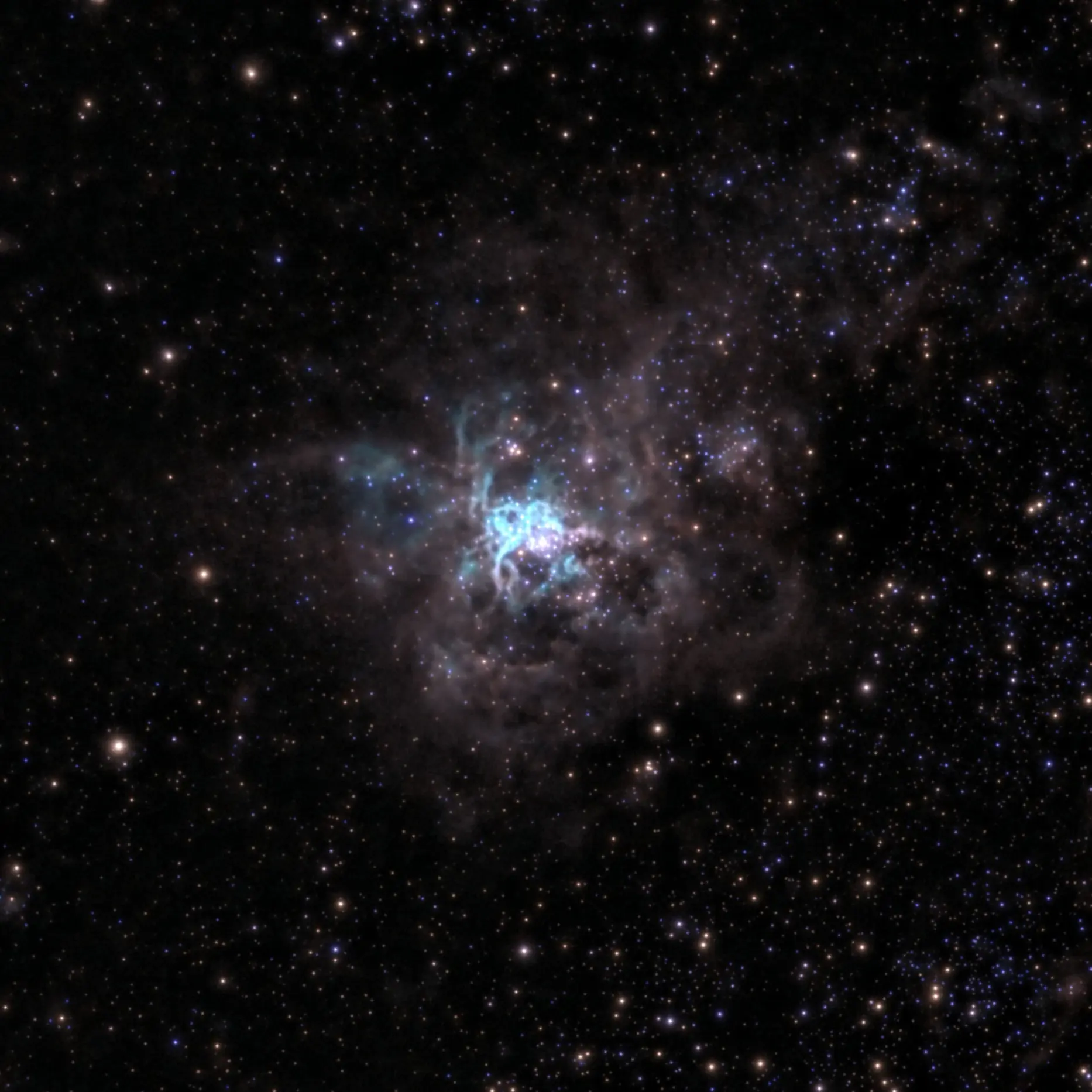
During his training runs, he would often see the Magellanic Clouds, which sparked his early interest. Such interest can be seen in his photographic contribution of the Tarantula Nebula to Unistellar social media. It is not uncommon for David to take his Unistellar scope camping and when visiting grandchildren scattered across the Aotearoa/New Zealand area.
As a community astronomer, David’s perspective and use cases provide valuable insights into how people can visualize the heavens. SkyMapper’s goal is to make complex astronomical visual data more accessible and enriching to those, like David, who have spent a lifetime under ideal observing conditions.