
A new era in astronomy has dawned. For millennia, humanity has gazed at the stars, but only in recent decades have we truly begun to comprehend our place in the cosmos. This November marks 25 years of continuous human presence aboard the International Space Station. We are witnessing an unprecedented number of advancements in science and technology, and their positive impact on humanity, fueling the fourth industrial revolution. From reusable rockets and advanced electrical propulsion to the miraculous photography from the James Webb Space Telescope, showcasing distant galaxies and stars, we are learning more about the early universe than ever before.
World Space Week this year, an international observance, celebrates advancements in science and technology and their positive impact on humanity. Established by the United Nations General Assembly in 1999, it takes place annually from October 4th to 10th. These dates commemorate two pivotal moments in space history:
- October 4, 1957: The launch of Sputnik 1, the first artificial Earth satellite, which inaugurated the era of space exploration.
- October 10, 1967: The signing of the Treaty on Principles Governing the Activities of States in the Exploration and Peaceful Uses of Outer Space, including the Moon and Other Celestial Bodies.
World Space Week: A Global Celebration
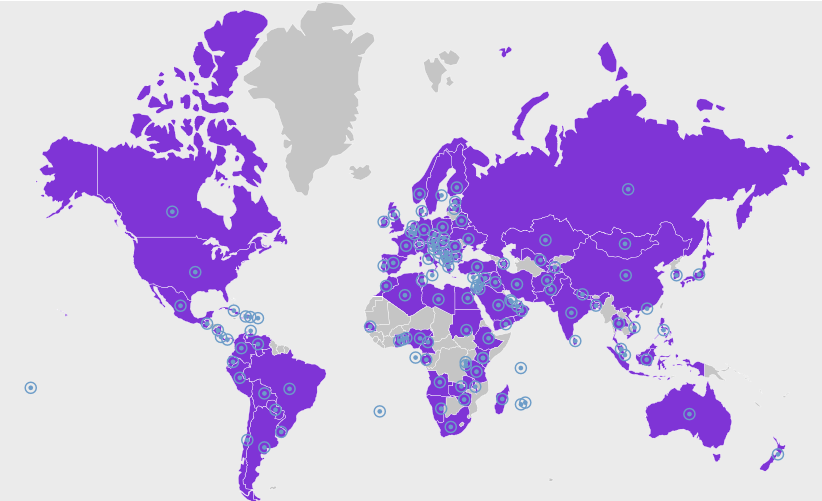
World Space Week is marked by a wide array of space education and outreach events coordinated globally within the common timeframe. These events are organized by diverse groups including space agencies, aerospace companies, schools, planetariums, museums, and astronomy clubs. This synchronized approach helps to garner greater public and media attention. In 2023, World Space Week reached unprecedented levels, with over 16,000 events held in 83 nations. The United Nations, with the backing of the World Space Week Association (WSWA), orchestrates this global event, who lead a network of National Coordinators, who promote World Space Week celebrations within their respective countries.
The Power of a Unified Network
At SkyMapper, we believe that the next great leap in astronomy will not come from a single institution but from a unified network of passionate individuals. We're building a platform where astronomy enthusiasts, professionals, and citizen scientists can all come together. Our leadership team is deeply interconnected within this community, and we understand the value of shared knowledge and collective effort. Knowledge is power. Just as the global community comes together for World Space Week, we're fostering a similar spirit of cooperation, daily. Together, by supporting existing networks and fostering new platforms for dedicated individuals and institutions, we can accelerate astronomy with greater speed and impact.

Immutable Observations: A Community-driven Approach
For astronomy, data security and immutable observations are crucial. Ensuring the integrity of every single data point, from the amateur's backyard telescope to the professional observatory's findings, is what we do at SkyMapper. By creating a shared, unchangeable record, we're building a reliable and trustworthy database for the entire community, allowing for a level of collaboration and validation that was previously impossible. At SkyMapper, we're designing a future where a citizen scientist's discovery can be verified and expanded upon by a global team of professionals. We are in a time where every observation counts and every contribution, no matter how small, helps us better understand the cosmos.
At SkyMapper, we share cool science.
As we followed the World Space Week events mentioned above, check out our campaign highlighting some of our favorite space visualization resources on your favorite social media platform.
If you’re inspired to join our growing network of explorers and help map the cosmos in real time, we invite you to get involved today.
SZ3 2025