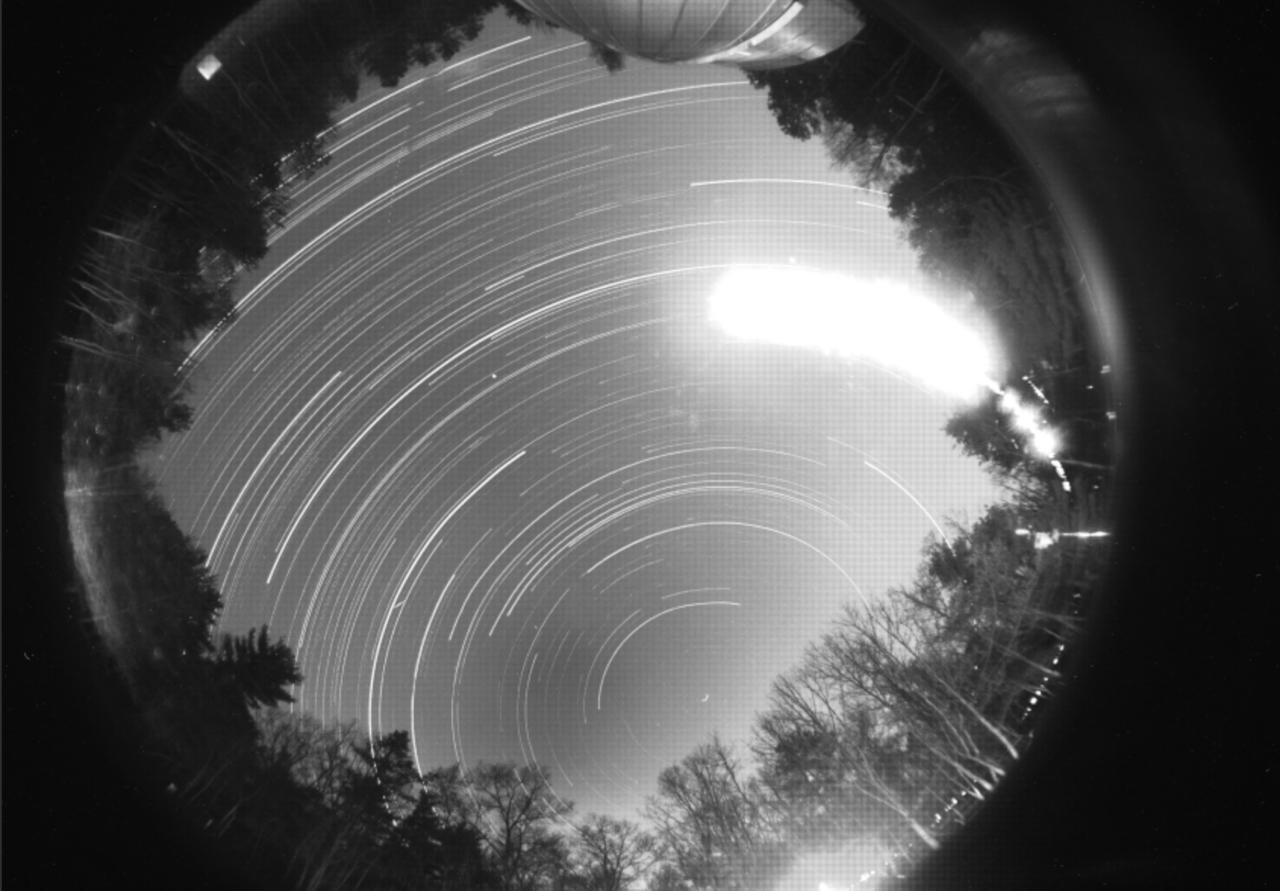

The Southern Taurids have been active since September 20 and are anticipated to peak on the night of November 4-5. The Northern Taurids will become active on October 20 and are forecast to reach their crescendo overnight on November 11-12.
Under ideal dark sky conditions, stargazers could witness up to 5 meteors per hour during each peak activity period. However, the brightness of a full moon will likely obscure fainter meteors during the Southern Taurid peak. The true excitement of the Taurid meteor streams lies in their potential to occasionally produce spectacular fireballs, which are capable of briefly illuminating the night sky as they flare after sunset.
The American Meteor Society notes that the southern and northern Taurids originate from the same highly dispersed debris cloud. Periods of activity for both meteor showers have been observed to correlate with a notable increase in fireball occurrences.
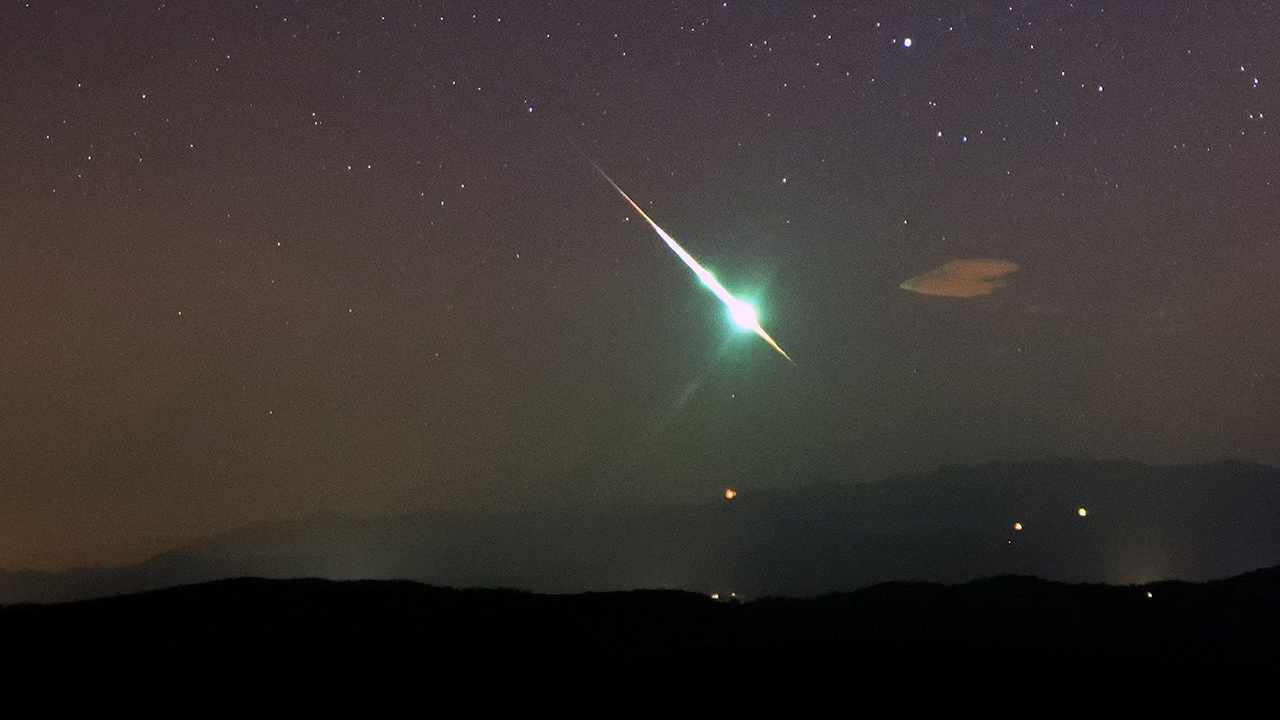
Fireballs are exceptionally bright meteors that surpass even Venus in luminosity in the night sky. They often leave prominent trails and are formed when objects, ranging from a few inches to several feet in size, enter Earth's atmosphere.
For those interested in capturing these celestial events, consider SkyMapper as your provider of real-time access to telescopes all around the world, and predictive tracking tools to locate constellations, like Taurus, to catch the meteor shower activity mentioned above. SkyMapper helps users set up alerts on the system for optimal viewing times, ensuring these spectacular celestial events are not missed.
SZ3 2025