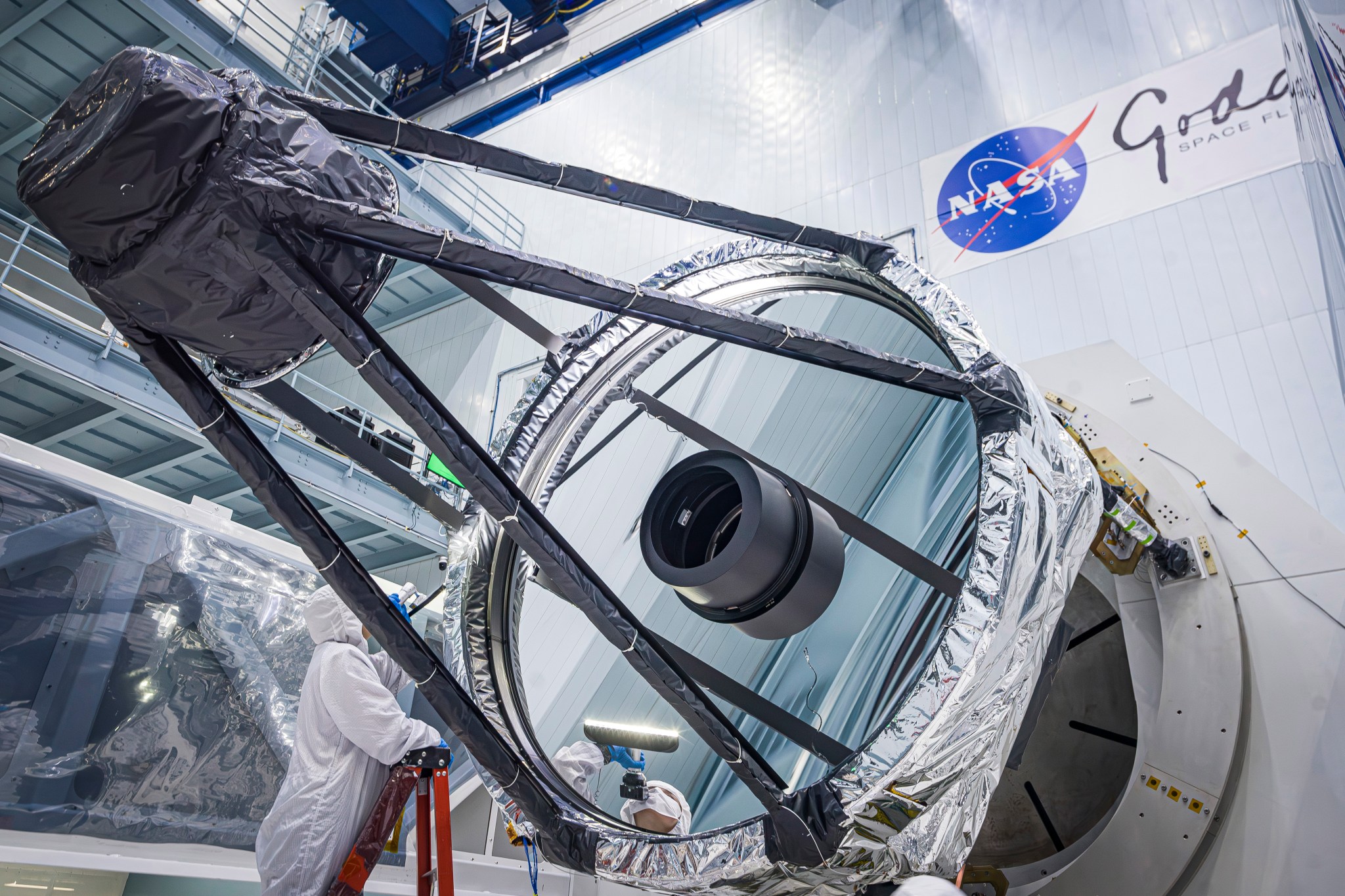
When NASA’s Nancy Grace Roman Space Telescope launches, it will mark a fundamental shift in how humanity explores the cosmos. By taking a radically different approach than its predecessor flagships, the Hubble and James Webb space telescopes, Roman is not just doing past science faster. It is doing fundamentally different science.
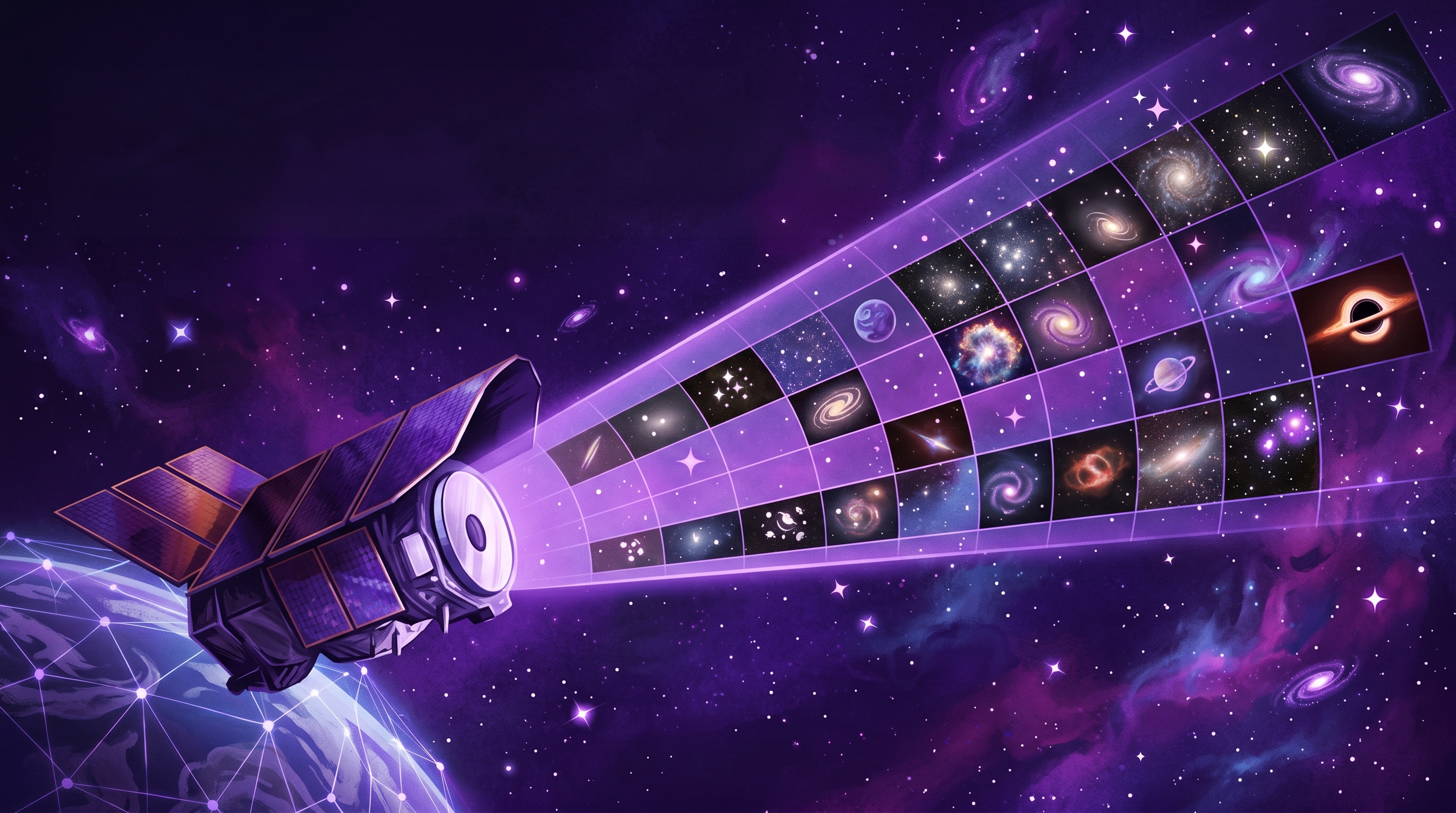
While Hubble and Webb act like powerful telephoto lenses that peer deep into tiny patches of the night sky, Roman acts as a massive wide angle lens. Capturing images with Hubble level resolution in infrared light across a field of view at least one hundred times larger, Roman will generate a staggering 1.4 terabytes of science data daily. Over its first five years, it will survey more than fifty times the area of sky that Hubble has mapped in over three decades.
As NASA senior project scientist Julie McEnery noted when discussing the mission, Roman essentially functions as a finding chart for observatories like Webb. It will scout vast swaths of space to discover rare objects, transient phenomena, and structural patterns in dark matter and dark energy that targeted telescopes miss simply because they are not looking at the right spot at the right time.
At SkyMapper, this paradigm resonates deeply with our core philosophy and mission. Whether tracking satellites in low Earth orbit or mapping distant celestial phenomena, wide field discovery and real time tracking are the backbone of modern astronomy and space domain awareness.
Serendipity Is Not a Strategy
Astronomers once spotted a rogue supermassive black hole hurtling through space solely because Hubble happened to be looking at that exact patch of sky by pure luck.
Relying on luck leaves massive gaps in our understanding of space. Whether you are mapping cosmic structures, hunting for transient events, or tracking artificial satellites and orbital debris, you cannot analyze what you have not first mapped.
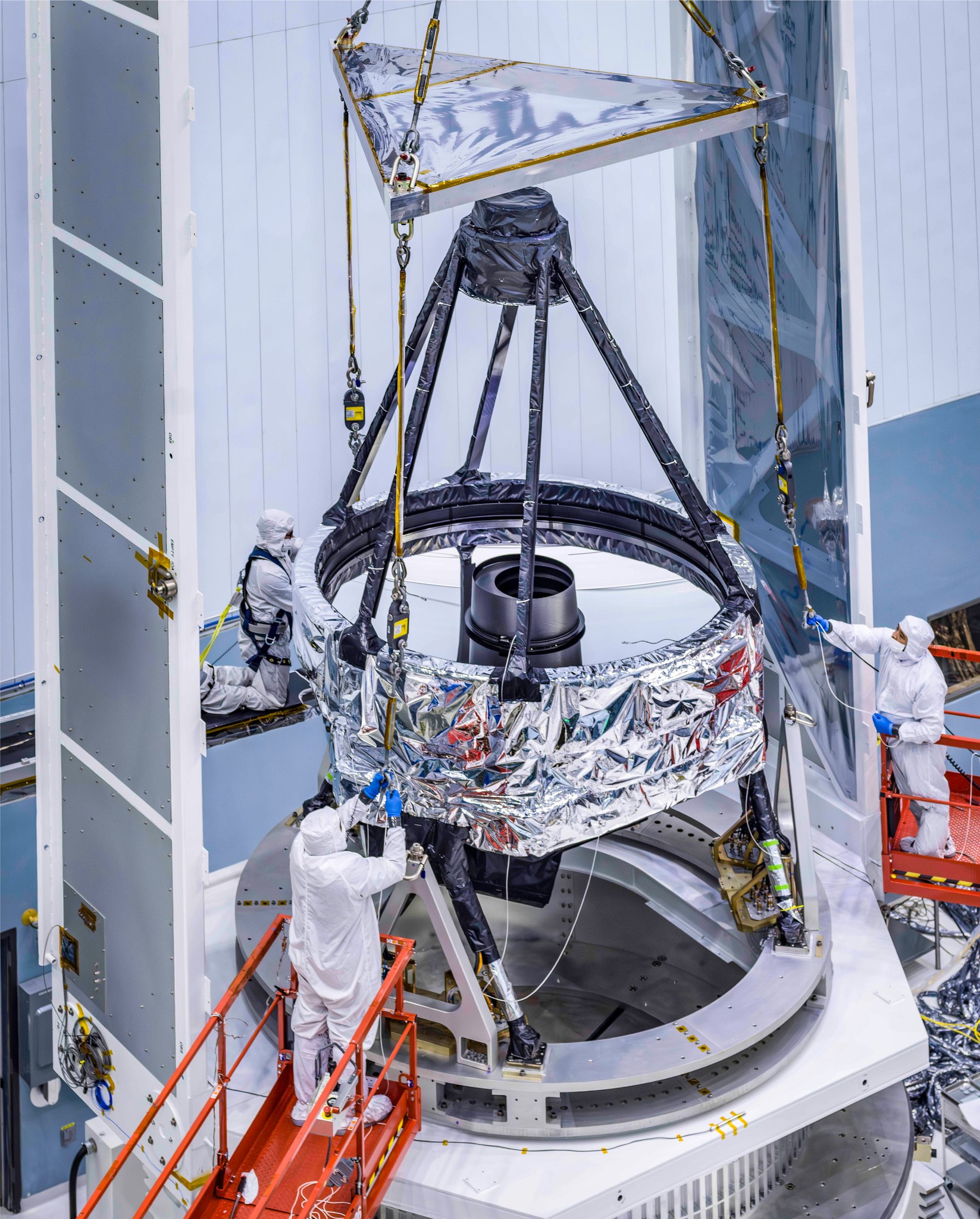
The Roman approach scans huge areas repeatedly to catch transient events, fast moving objects, and structural anomalies. The SkyMapper approach leverages aggregated observational data and orbital telemetry to continuously track satellites and celestial bodies across dynamic, rapidly changing skies. Both paradigms recognize that true insights come from systemic, scalable coverage rather than accidental alignment.
Bridging the Gap Through Data Aggregation and Dynamic Mapping
Roman will not operate in a vacuum. Its infrared coverage will cross reference ground based optical surveys, such as the Vera C. Rubin Observatory in Chile, to resolve crowded field scenes, untangle blended object signals, and map fast moving phenomena.
This synergy highlights the growing importance of multi source data integration. Roman’s daily output of 1.4 terabytes will require advanced automated processing to identify target anomalies. Unlocking the true value of sky maps requires combining ground based data, space based surveys, and orbital mechanics into unified, actionable tracking platforms. This is precisely where the global SkyMapper community brings immensurable value to modern science and space operations.
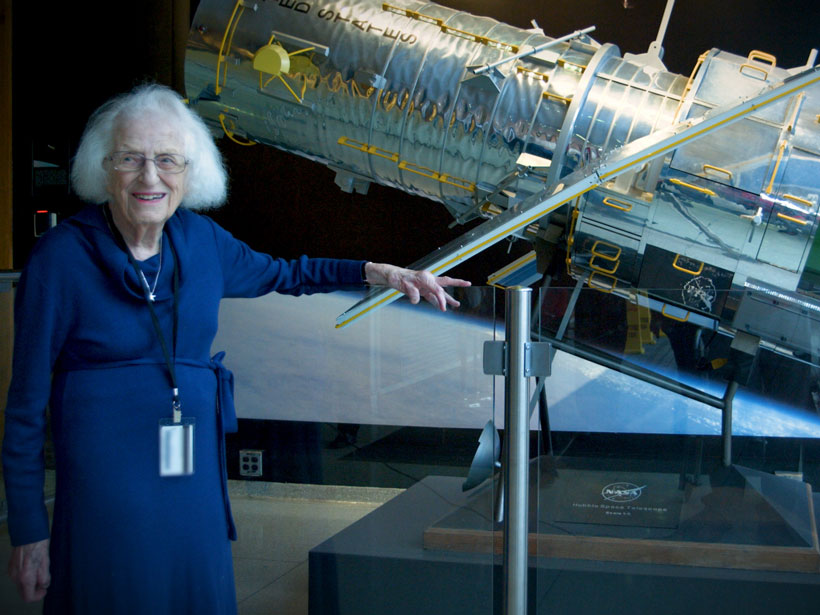
How the SkyMapper Community Powers the Next Era of Science
As flagship space missions like Roman produce vast streams of observational data, community driven space tracking, open analytics, and collaborative mapping become essential forces in making sense of the sky.
When Roman or ground based sky surveys detect sudden shifts or transient flashes, orbital mapping tools allow astronomers and satellite operators to rapidly filter out known artificial satellites, space debris, and orbital hardware. This ensures researchers can focus immediately on genuinely novel deep space discoveries.
Much like Roman serves as a finding chart for Webb to perform pinpoint spectroscopic follow ups, precise orbit determination and trajectory tracking provide the foundational data needed for optical telescopes, radar arrays, and space situational awareness networks to zero in on fast moving targets.
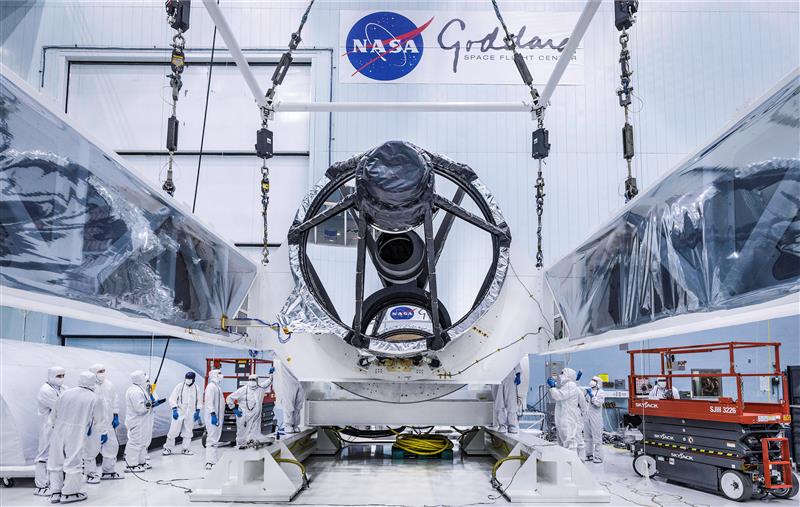
Roman’s huge wide angle datasets will generate endless opportunities for citizen science, independent researchers, and commercial space teams. By building open, accessible tools for tracking and mapping objects, the SkyMapper community ensures that data is actively utilized to keep space safe, transparent, and scientifically fruitful.
Looking Ahead
As Roman prepares to reshape our view of the cosmos, from mapping dark energy to scouting exoplanet targets for the future Habitable Worlds Observatory, it reaffirms a key lesson. To make ground breaking discoveries, you first need a better map of the sky.
At SkyMapper, we are proud to be part of a broader global community dedicated to tracking, mapping, and understanding everything moving across our skies. Whether it is a satellite overhead or a galaxy billions of light years away, progress begins when we know where to look.
What are your thoughts on the upcoming Nancy Grace Roman Space Telescope survey data? How do you see wide field sky surveys impacting space domain awareness and astronomy in the coming years? Join the discussion in the SkyMapper community forums!
sz3 26