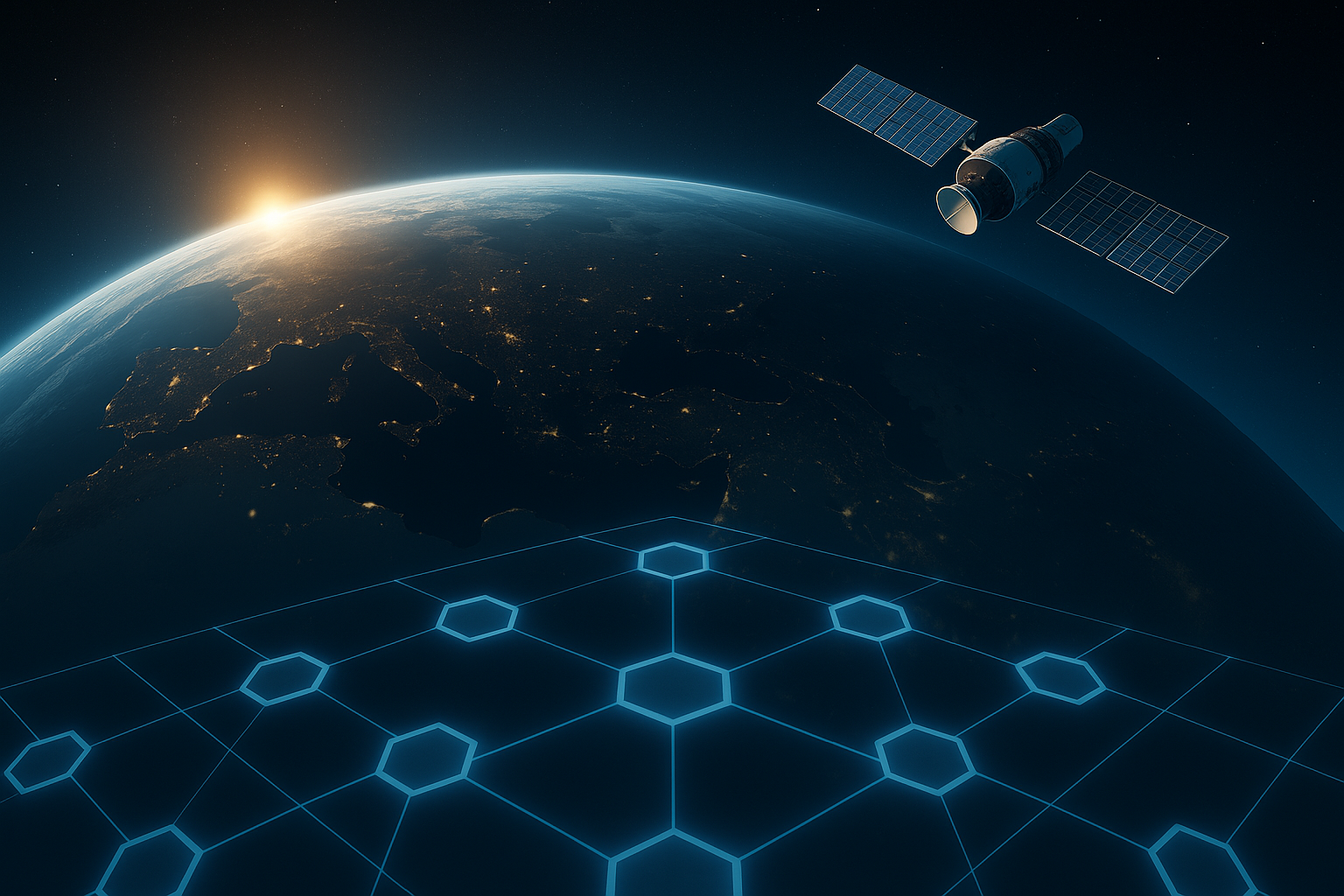
A recent report in Wired has exposed a stark vulnerability in global communications, revealing that sensitive data, including private calls, texts, and critical information from the U.S. military and major corporations, is being leaked via unencrypted satellite transmissions.
This study highlights how easily an eavesdropper can intercept this data using inexpensive, commercially available equipment, underscoring that many organizations are failing to apply even basic security measures to these vital links. The findings are a wake-up call, demonstrating that reliance on traditional, centralized communication methods carries a profound risk of exposure, not just for governments and businesses, but for private citizens as well.
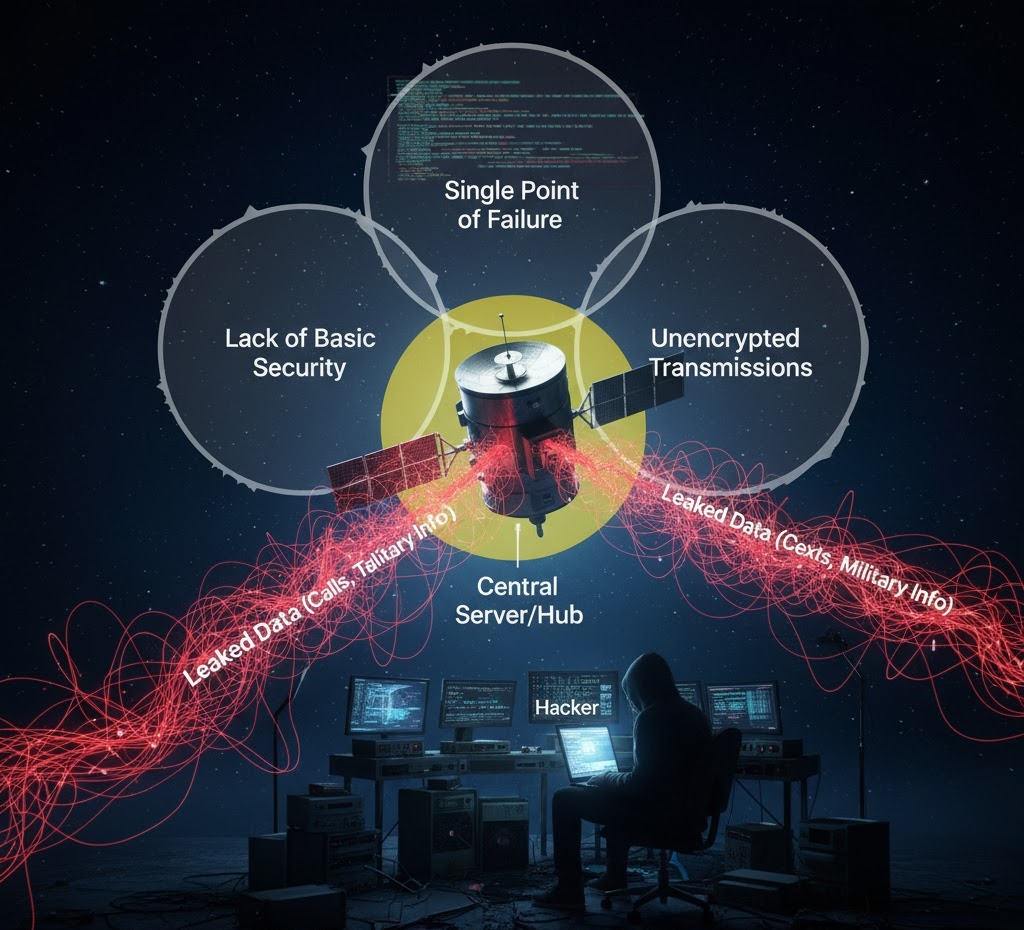
This is precisely the kind of security failure that SkyMapper's decentralized physical infrastructure network (DePIN) is built to address. By moving astronomical and satellite observation data onto the blockchain, SkyMapper eliminates the single point of failure and control inherent in centralized systems. Our use of Web3 principles ensures that data is distributed and immutable, making it resistant to tampering and unauthorized changes, which is a critical necessity in an age of proliferating data leaks.
This is not just about keeping secrets; it’s about establishing an undeniable, transparent record of what was observed, where, and when.
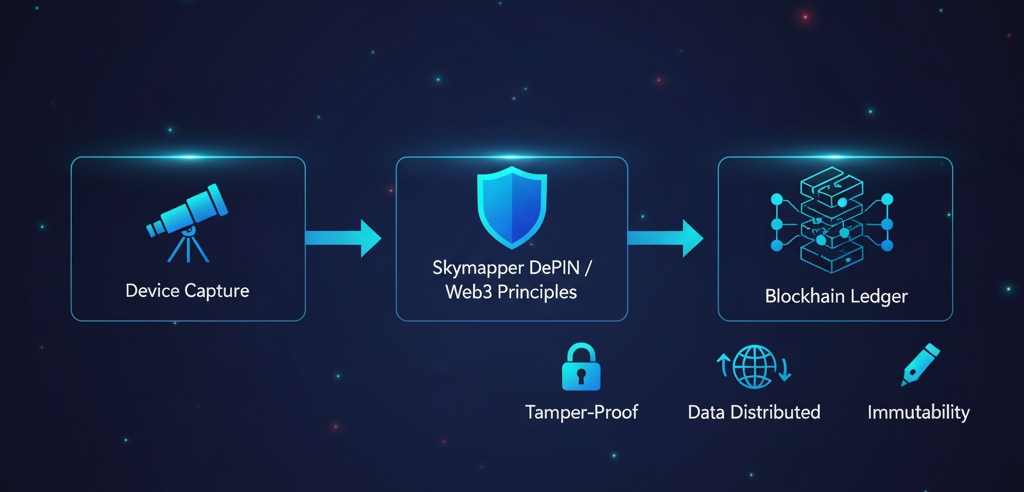
To guarantee data integrity and provenance, SkyMapper partnered with Akave to store observations directly from a device with essential metadata, such as location and device information, added on-chain.To ensure data integrity and provenance, SkyMapper collaborated with Akave to store observations directly from devices, including essential metadata such as location and device information, on-chain.
This process provides a full, end-to-end guarantee that the data remains unchanged from the moment it is captured, allowing for full verifiability by anyone. This commitment to immutability builds trust with both our customers and the community of observers by transparently demonstrating that the data, and the rewards for collecting it, are not subject to manipulation.
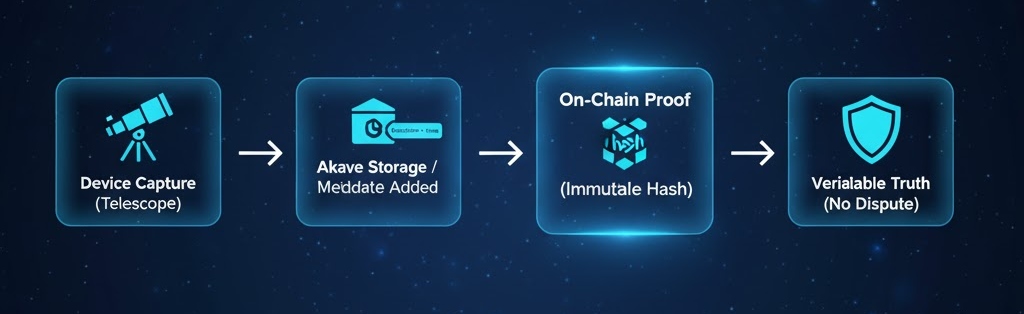
Ultimately, this decentralized approach is about replacing blind trust with verifiable truth. SkyMapper's co-founder, Stefaan Vervaet, highlights this shift in network integrity:
"Instead of trusting a company or individual to do the right thing, you point to the on-chain proof. There is no dispute; you trust the code instead of human beings to do what’s right with the data."
By harnessing blockchain technology, SkyMapper is not just collecting data; it’s securing a decentralized, shared source of truth for the cosmos, ensuring that data is protected, transparent, and accessible for the greater good of the scientific and commercial communities.
Learn more about SkyMapper by connecting with us.
SZ3 2025