
“We are building the first decentralized network of telescopes and all-sky cameras designed to observe all the sky, all the time.”
Recently, our Co-Founder and CEO, Franck Marchis, sat down with Tom Trowbridge, CEO of Fluence and host of the DePINed podcast. They explored the vision behind SkyMapper: creating a decentralized physical infrastructure network (DePIN) that monitors everything from satellites and debris in orbit to drones and atmospheric phenomena closer to home.
Here is a breakdown of how SkyMapper is using Web3 technology to create a verifiable, global observation layer for our planet.
The Problem: A Crowded Sky
The space around Earth is increasingly crowded. There are currently 12,000 satellites orbiting Earth, a dramatic increase from the approximately 900 in orbit two decades ago. This growth is accelerating, with projections indicating we will reach 50,000 satellites in the next five years.
With the rise of commercial space launches and complex satellite maneuvers, Space Situational Awareness (SSA), essentially knowing where objects are located, has become a critical industry. Traditional, centralized observation networks are expensive and geographically limited, leaving massive "dark zones" over certain parts of the globe where observation is impossible. SkyMapper aims to solve this by crowdsourcing coverage, targeting a network that is drastically cheaper and larger than centralized competitors.
The Solution: SkyBridge and the Power of DePIN
SkyMapper is building a global observation network by harnessing a massive, underutilized reserve of optical power: the millions of existing telescopes worldwide. Rather than manufacturing entirely new fleets of instruments, the platform connects dormant hardware using the SkyBridge.
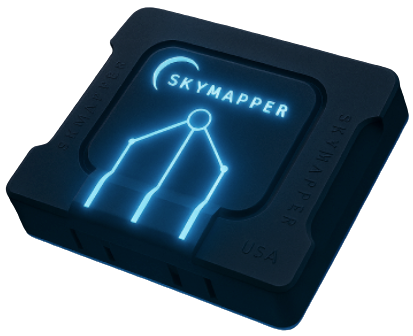
The SkyBridge is a device that connects compatible telescopes to the SkyMapper network, allowing them to receive observation requests and return trusted data. By utilizing a distributed network of citizen astronomers, SkyMapper offers an agility that centralized providers cannot match. To ensure this network grows where it is needed most, SkyMapper is implementing an incentive system designed to reward users for providing valuable coverage and high-quality data.
Expanding the Vision: Drones, Safety, and UAPs
While the telescope network gazes deep into space, SkyMapper is also in the early stages of developing a second layer of observation closer to Earth: the SkySphere.
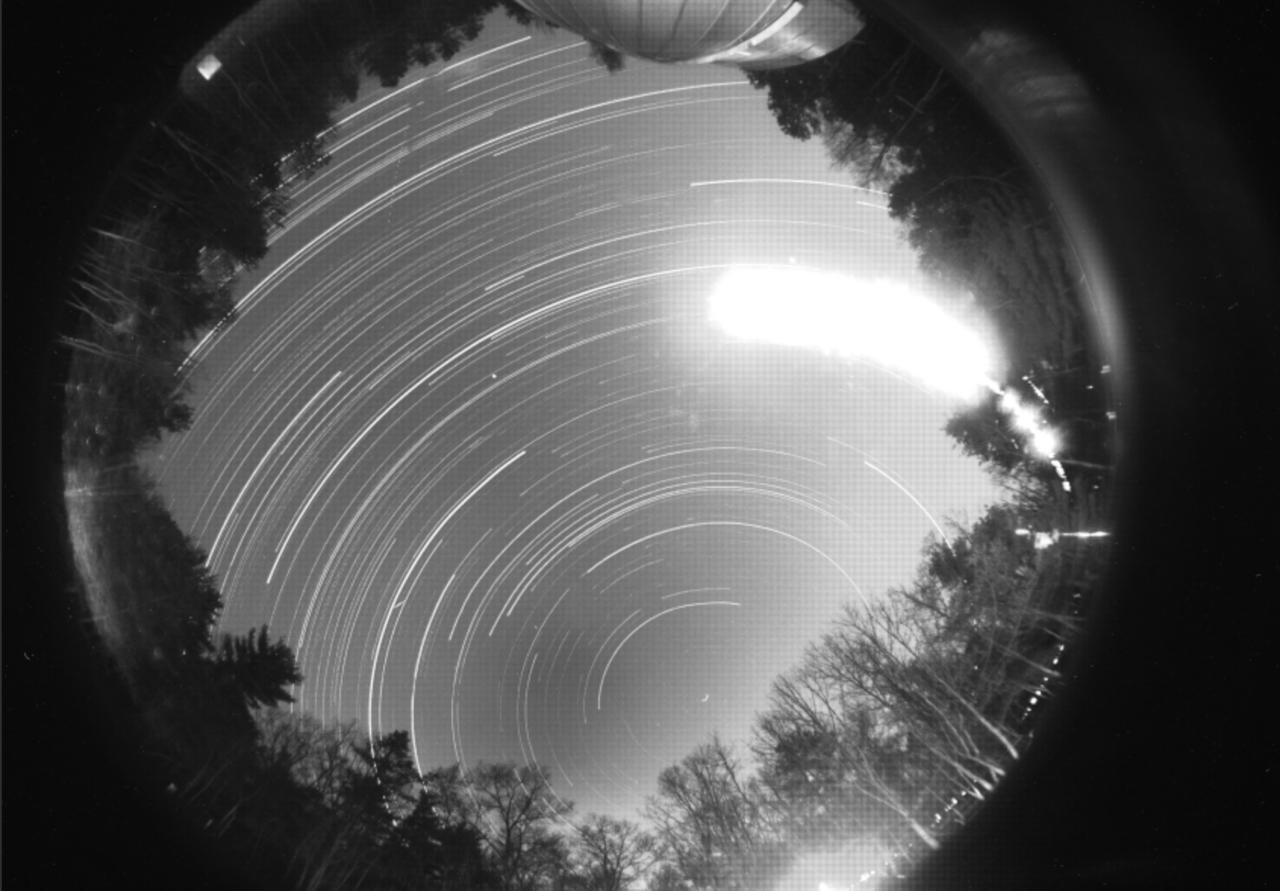
Currently in development, these affordable, all-sky cameras are intended to eventually monitor the atmosphere from the ground up to 10 kilometers. As the airspace fills with commercial activity like delivery drones and air taxis, cities will need a way to understand what is flying overhead without the interference caused by traditional radar. The long-term goal for SkySphere is to offer a passive, visual alternative capable of classifying objects in real-time.
This future network also aims to apply scientific rigor to the study of Unidentified Anomalous Phenomena (UAPs). By creating a "Proof of Space Observation," SkyMapper intends to ensure that data is immutable and location-verified. Once fully deployed, the vision is for multiple sensors to triangulate anomalies to calculate altitude, speed, and trajectory, moving the study of UAPs from fleeting videos to hard, scientific data.
Join the Network
The convergence of affordable hardware, advanced AI, and blockchain technology has made SkyMapper possible. We are democratizing access to space and atmospheric data, ensuring it is open, immutable, and trusted.
Ready to join the observation layer?
- Visit our store to order a SkyBridge with compatible telescope.
- Follow us on X @skymapper_space for updates.
Listen to the full episode of DePINed with Tom Trowbridge @TheTomTrow to explore how decentralized infrastructure is reshaping space & atmosphere monitoring
SZ3 2026