The world’s most prestigious astrophotography competition is back, and this year, your winning shot might be just a click away.
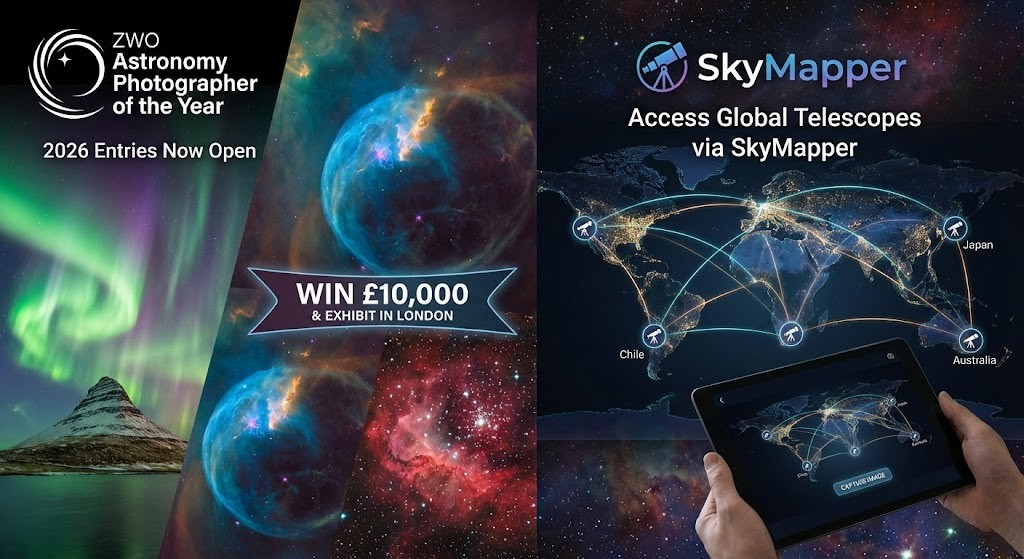
The ZWO Astronomy Photographer of the Year competition is now open for entries, searching for the most spectacular space photography from around the globe. Hosted by the Royal Museums Greenwich, this contest showcases everything from the dancing aurorae to distant galaxies, offering a top prize of £10,000 and the chance to have your work displayed at the National Maritime Museum in London.
But here is the best part: You don’t need to own a massive observatory to win.
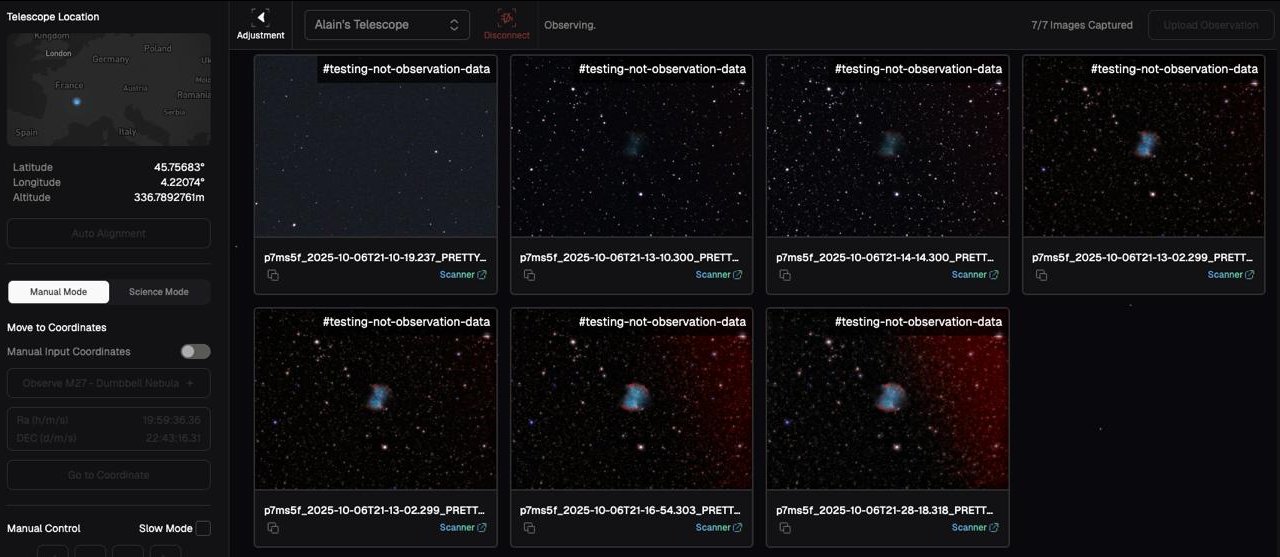
The competition rules explicitly welcome entries taken with any telescope, including those accessed remotely via SkyMapper’s telescope network. This levels the playing field, allowing passion and creativity to shine regardless of your physical location or gear ownership.
Why This Matters for SkyMapper Users
If you live in a light-polluted city or are stuck under permanent cloud cover, you aren't disqualified from capturing world-class images. SkyMapper’s decentralized network is built exactly for this kind of opportunity.
By logging onto the SkyMapper network, you can access a global fleet of telescopes stationed in prime dark-sky locations, from Chile to Japan, Australia to the United States.
Need a target that’s only visible in the Southern Hemisphere? Connect to a scope in Australia or Chile.
Want to capture a specific nebula while it’s daytime in your backyard? Find an active node on the other side of the world where it’s currently midnight.
How to Get Started
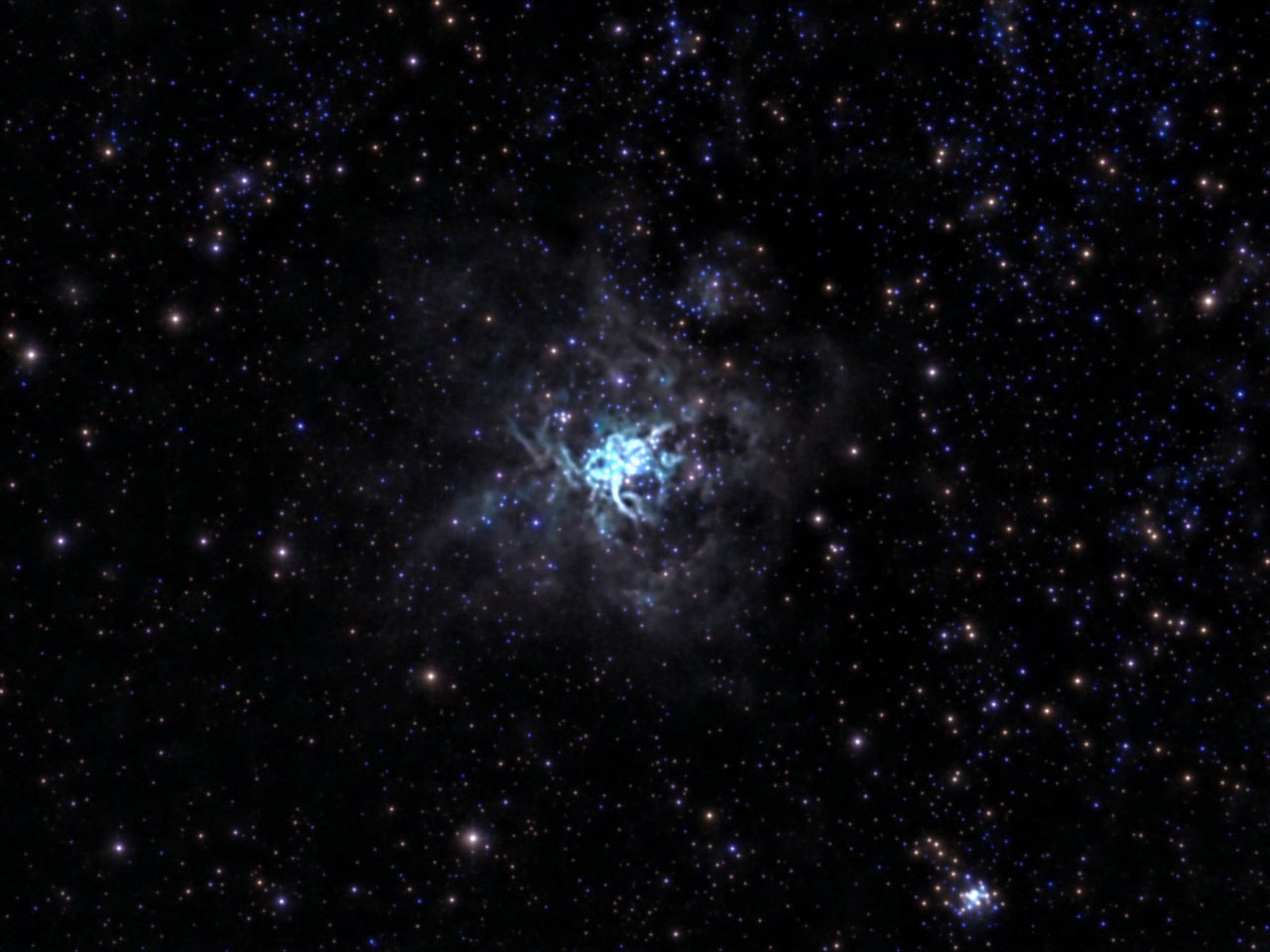
- Check the Categories: The competition features categories like Galaxies, Aurorae, Our Moon, Our Sun, and Stars and Nebulae. Decide what you want to capture.
- Log on to SkyMapper: Visit SkyMapper.io and explore our SkyViewer or SkyBridge interfaces.
- Find Your Scope: Browse the real-time map to find a telescope with the right specs and location for your target.
- Capture & Process: Use the network to gather your data. Remember, the judges love innovative approaches and technical excellence, so take your time processing your raw data.
- Submit: Entries for the 2026 competition close on March 2, 2026.
The universe is waiting to be photographed, and with SkyMapper, you have a front-row seat no matter where you are.
Log in to SkyMapper now and start your journey to becoming the Astronomy Photographer of the Year!
Want to be part of the SkyMapper network of telescopes? Visit our store and begin your journey!
SZ3 2026