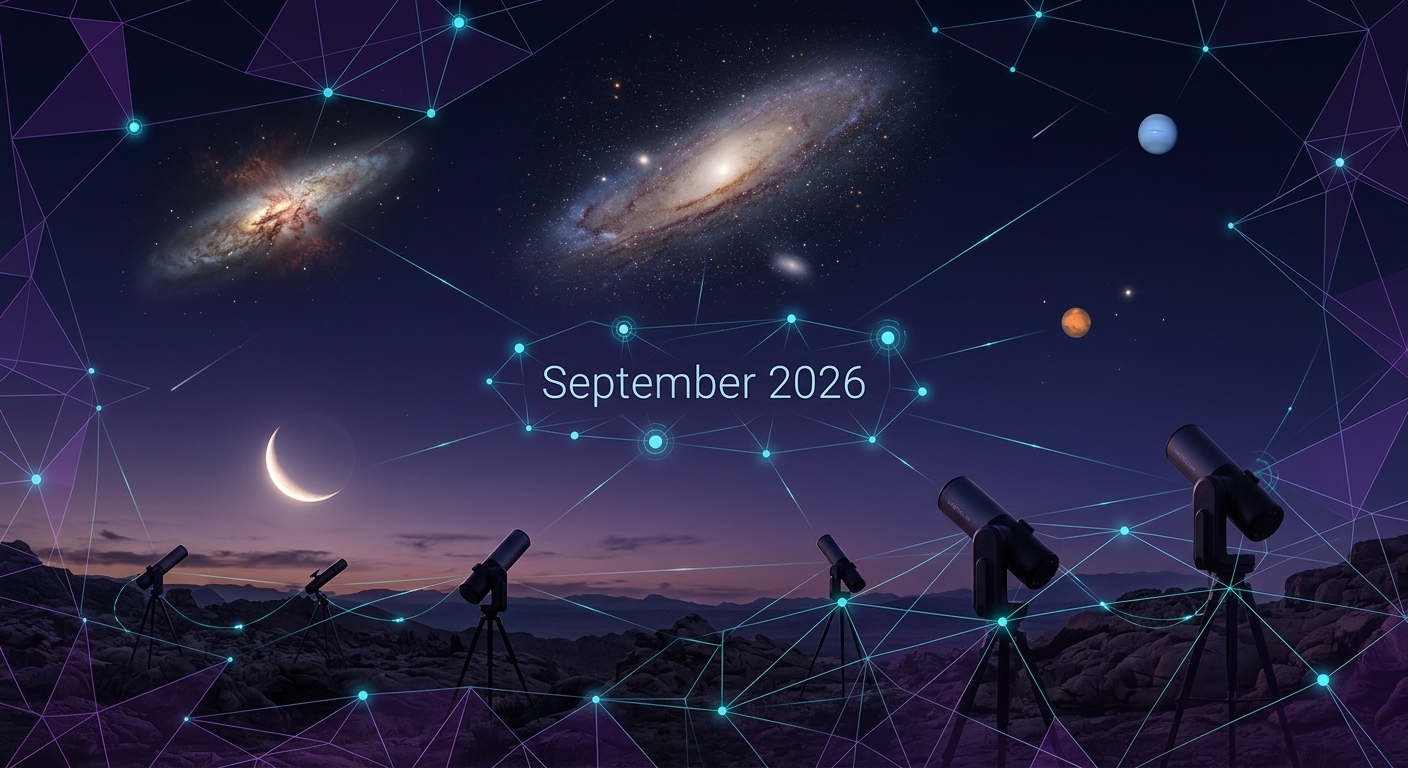
September marks a powerful seasonal shift for the SkyMapper network. As the autumn equinox arrives in the north and spring begins in the south, dark nights lengthen significantly, offering pristine viewing windows for automated deep-space data collection.
Because the SkyMapper protocol bypasses lunar imaging to protect tracking accuracy, our Unistellar fleet (eVscope and eQuinox arrays) will focus on deep ice-giant oppositions, high-contrast galaxy stacking, and mapping bright planetary phases. Uncover your optics, level your tripods, and prepare your node for this month's top scientific targets.
1. The Deep-Space Target: Neptune at Opposition (September 25–26)
Visibility: Global (Visible All Night in Pisces)
September's headline event for smart telescopes is the opposition of Neptune. The ice giant sits directly opposite the Sun from Earth, reaching its peak brightness (magnitude $+7.8$) and closest proximity of the entire year.
- The View: While Neptune appears as a non-stellar blue dot in visual optics, your smart telescope's field recognition locks onto the exact coordinates in the constellation Pisces instantly.
- Unistellar Advantage: The autonomous stacking and digital sensors on your eVscope or eQuinox will isolate Neptune's distinct pale-blue disk against the background field stars.
- Smart-Scope Tip: Use high-resolution live processing to capture frames of the planet. These raw planetary data streams provide valuable position tracking metrics for the global network ledger.
2. Northern Hemisphere Spotlight: The Andromeda Galaxy (M31)
Visibility: Northern Hemisphere & Tropics (High Overhead at Midnight)
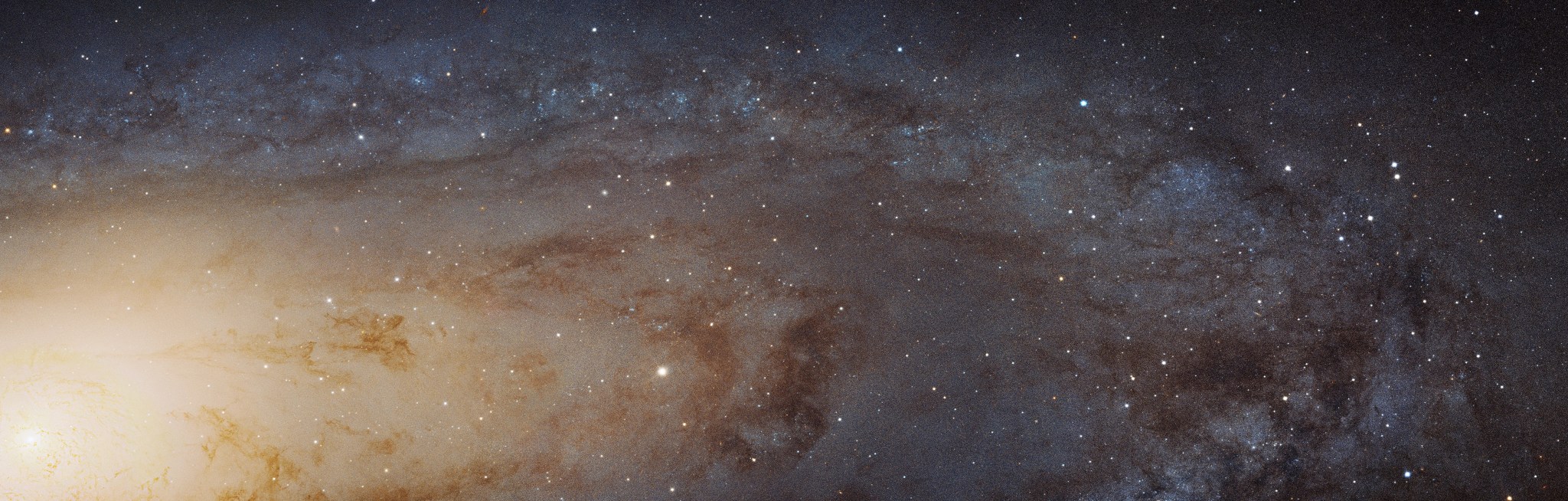
With the New Moon bringing dark skies around September 11, northern nodes are directed to capture our massive galactic neighbor, Messier 31 (The Andromeda Galaxy).
- The Target: A magnificent spiral galaxy containing over one trillion stars, located 2.5 million light-years away.
- Unistellar Advantage: Andromeda's massive angular size usually spills over visual fields, but Enhanced Vision mode excels at stacking M31's bright galactic core, its dust lanes, and its companion dwarf galaxies (M32 and M110).
- The Grid Mission: Set your scope for a 45-to-60-minute continuous Enhanced Vision run. Collecting wide-field data of Andromeda's spiral structure feeds into SkyMapper's high-fidelity composite galaxy catalog.
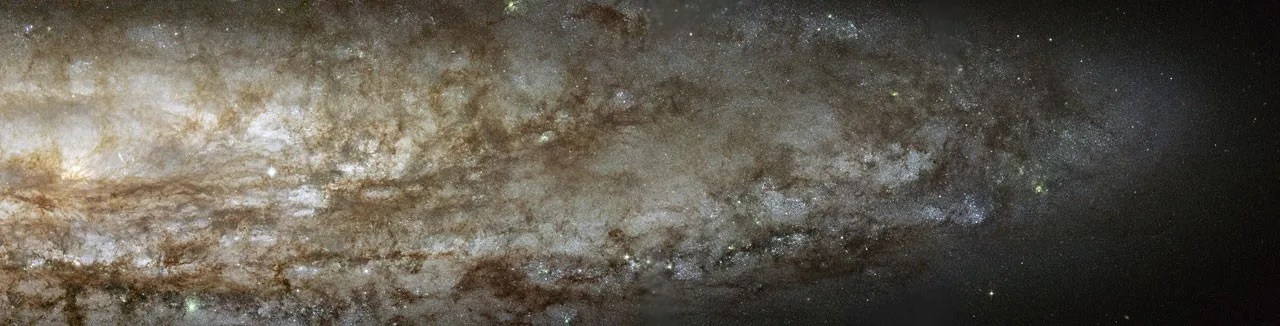
3. Southern Hemisphere Spotlight: The Sculptor Galaxy (NGC 253)
Visibility: Southern Hemisphere (High Overhead)
For our southern network nodes tracking through crisp spring skies, the primary deep-space directive is NGC 253 (The Sculptor Galaxy or Silver Dollar Galaxy).
- The Target: An intermediate spiral starburst galaxy known for its high star-formation rates and dense lanes of cosmic dust.
- Unistellar Advantage: NGC 253 is one of the brightest spiral galaxies visible past the Local Group. Your Unistellar scope’s digital stacking algorithm will pull out mottled, intricate dust structures and glowing starburst knots along the galaxy's disk with exceptional contrast.
4. Twilight Tracking: Venus at Peak Luminosity (September 18–22)
Visibility: Global (Low in the Western Sky at Dusk)
During mid-to-late September, Venus reaches its absolute brightest point for all of 2026, blazing at a magnitude of $-4.8$ in the evening sky.
- The View: Through your telescope, Venus will display a dramatic, slender crescent shape (around 22% illuminated), as its shrinking illuminated phase is offset by its rapid physical approach to Earth.
- Unistellar Tip: Switch your app to manual exposure controls just after sunset to prevent the brilliant crescent disk from blooming over the sensor pixels.
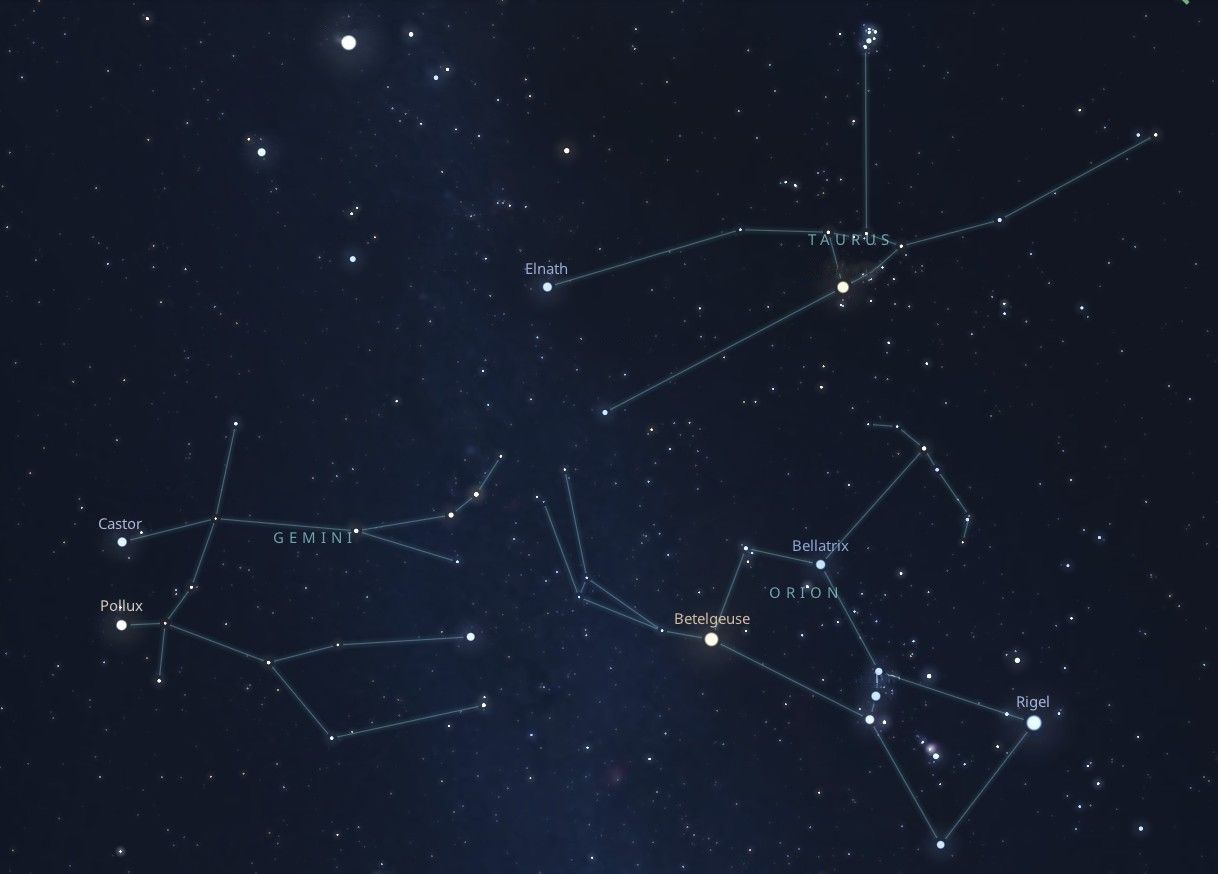
5. Pre-Dawn Target: Mars Meets the Gemini Twins (September 25)
Visibility: Global (High in the Eastern Sky Before Dawn)
In the early hours of September 25, Mars moves into direct visual alignment with Castor and Pollux in the constellation Gemini, temporarily creating a stunning "trio" of stars in the eastern sky.
- The View: Mars presents a distinct, fiery orange hue sitting just below Pollux, offering an excellent contrast target against the blue-white light of the twin stars.
- Smart-Scope Tip: Point your Unistellar scope at Mars early in the morning to track its growing disk diameter as it continues its path toward winter opposition.
The September Network Directive: Map the Outer System
With Neptune at opposition and galaxy-hunting season at its peak, your smart telescope is a vital data collection point for our global array.
- Automated Data Contribution: Capture continuous light frames of M31, NGC 253, or Neptune to automatically contribute verified tracking data to the SkyMapper ledger.
- Clouded Out? If autumn rains cover your local horizon, visit the SkyViewer portal to observe live, low-latency stacked streams broadcasted by operational Unistellar nodes across the global array.
Check your alignment, power up your array, and let’s map the cosmos together!
Clear skies!
— The SkyMapper Team