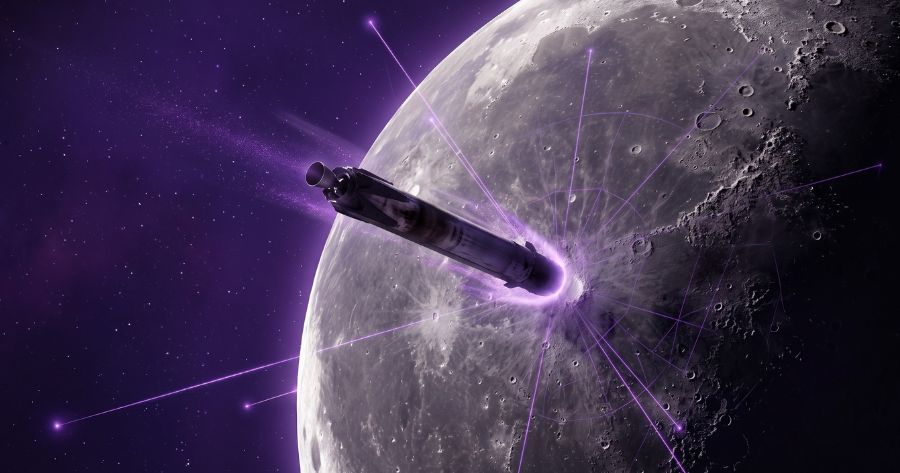
The Moon is about to get a new crater, and this one is human-made.
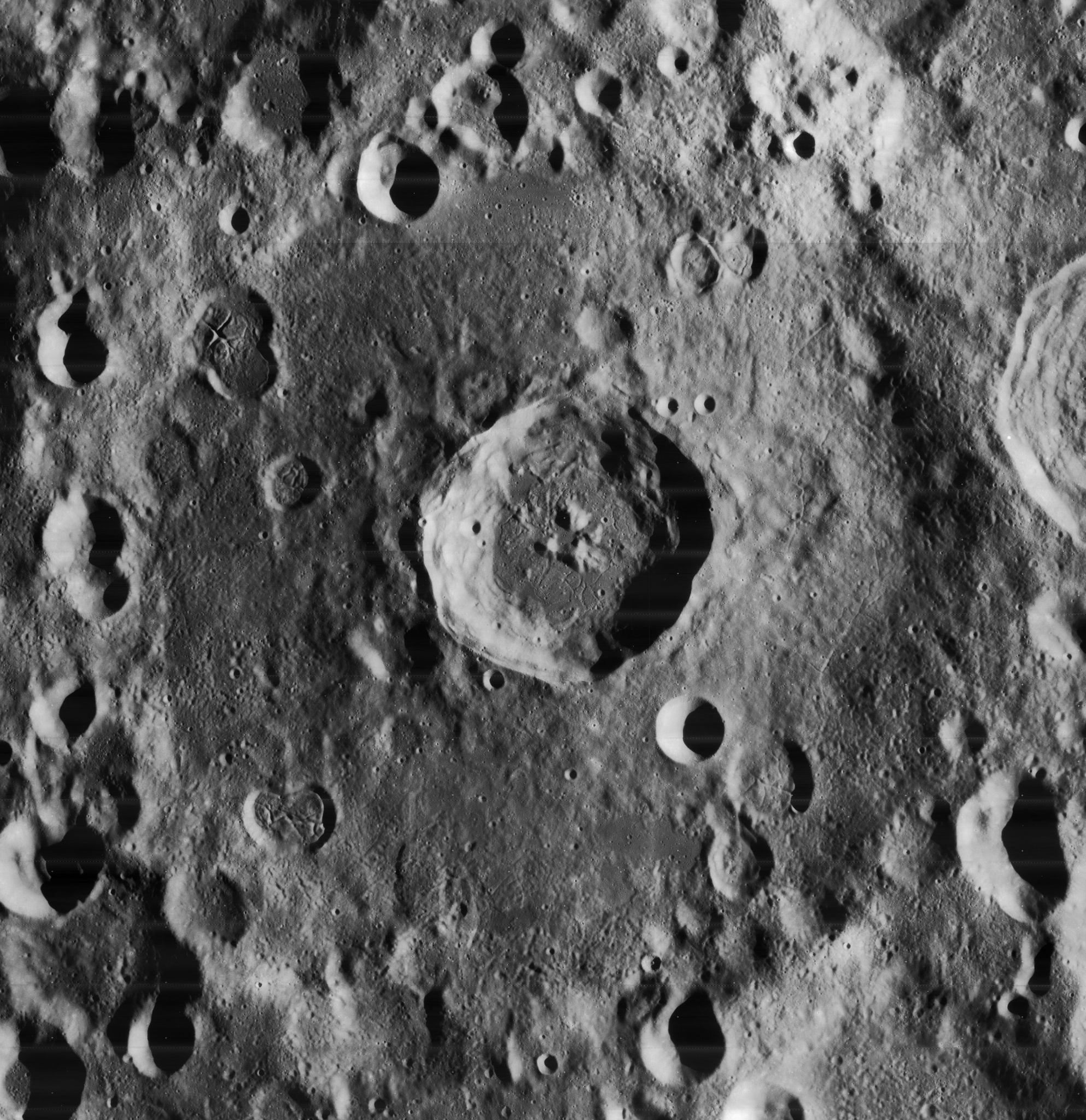
On August 5, 2026, at approximately 2:44 a.m. EDT, the spent upper stage of a SpaceX Falcon 9 rocket is projected to slam into the lunar surface. Traveling at roughly 5,400 mph (seven times the speed of sound), the 39-foot, 8,800-pound booster will strike sunlit terrain near the Einstein Crater.
While this event highlights growing concerns about the management of space junk, it also presents a rare, real-time scientific opportunity. And for the SkyMapper community, it is exactly the kind of transient cosmic event our decentralized network was built to capture.
Mapping the "Now"
The doomed booster is a relic from a January 2025 launch that originally sent the Blue Ghost and ispace Resilience landers toward the Moon. Instead of reentering Earth's atmosphere, the upper stage was caught in a highly elliptical orbit, eventually leading to this unavoidable lunar collision.
When the rocket hits, it is expected to punch a 60-to-90-foot-wide crater into the surface, kicking up a massive ejecta plume of lunar dust and regolith that will stretch miles above the surface.
Traditional ground and space-based observatories are already coordinating to monitor the impact flash and the resulting dust dynamics; however, astronomy has entered a new era. We no longer have to rely solely on centralized, isolated observatories. As the SkyMapper network matures, users may be able to crowd-source a continuous, high-definition record of events like this crash and its aftermath, all verified and secured on the blockchain.
The SkyMapper Directive: Eyes on Einstein Crater
Because the impact occurs on the Moon’s eastern limb from Earth's perspective, observers in North and South America are in the prime viewing zone. We are issuing a network-wide briefing for all SkyMapper node operators, citizen scientists, and smart-array users to coordinate observations of the lunar surface leading up to, during, and immediately following the event. Unistellar users can start here to learn how to make moon observations.
Here is how you can contribute:
- Connect Your Device to the Network: Ensure your compatible telescope is hooked up via SkyBridge. This guarantees that your observation data, including essential metadata like location and time, is instantly streamed and secured on-chain.
- Allow Our Network to Control Your Device: Log into the SkyViewer command center (
app.skymapper.io). By granting permission, the SkyMapper network can directly coordinate and align your instruments at the Einstein Crater to capture the plume. - Log On to See What the Network Coordinated: Review the mission dashboard on the network to track the automated alignments, monitor the brief physical impact, and view the resulting dust plume and newly formed crater captured by high-powered optics.
Verifiable Truth for a Crowded Cosmos
As human infrastructure on the Moon expands and the volume of orbital debris grows, tracking man-made space events is no longer just an academic exercise, it is a necessity.
By capturing this event on the SkyMapper network, our community isn't just taking photos; we are generating verifiable scientific data. Thanks to our collaboration with Akave, every piece of telemetry, impact footage, and light-curve data collected by our network will be stored on-chain. This provides an immutable, transparent record that researchers worldwide can use to study lunar surface composition and the mechanics of artificial impacts, free from data silos.
This is the power of Web3 innovation meeting advanced telescope technology. Instead of trusting a single entity to record the event, we rely on a decentralized, shared source of truth powered by a global network of stargazers.
Join us on August 5th. Let's turn our collective lenses to the Moon, secure the data, and continue mapping the cosmos together. And read more about this here.
No Telescope? No Problem. You can still watch the event unfold live by joining SkyViewer for free and connecting to active telescopes around the world. Visit SkyMapper.io to learn more.
sz326