The tech world is currently facing a serious crisis of faith when it comes to artificial intelligence. Across almost every industry, we repeatedly see what happens when unproven tools get deployed into the wild before they are truly ready. When companies prioritize fast rollouts over thorough validation, everyday people pay the price. A recent CNET report reveals just how damaging blind trust in automated systems can be, noting that Flock Safety cameras may have misread over 70 percent of license plates in one city analysis. Because the AI frequently mistook one number for another, innocent drivers found their vehicles falsely flagged to police as stolen. Rushing algorithms into service without proper real world validation creates very real human harm.
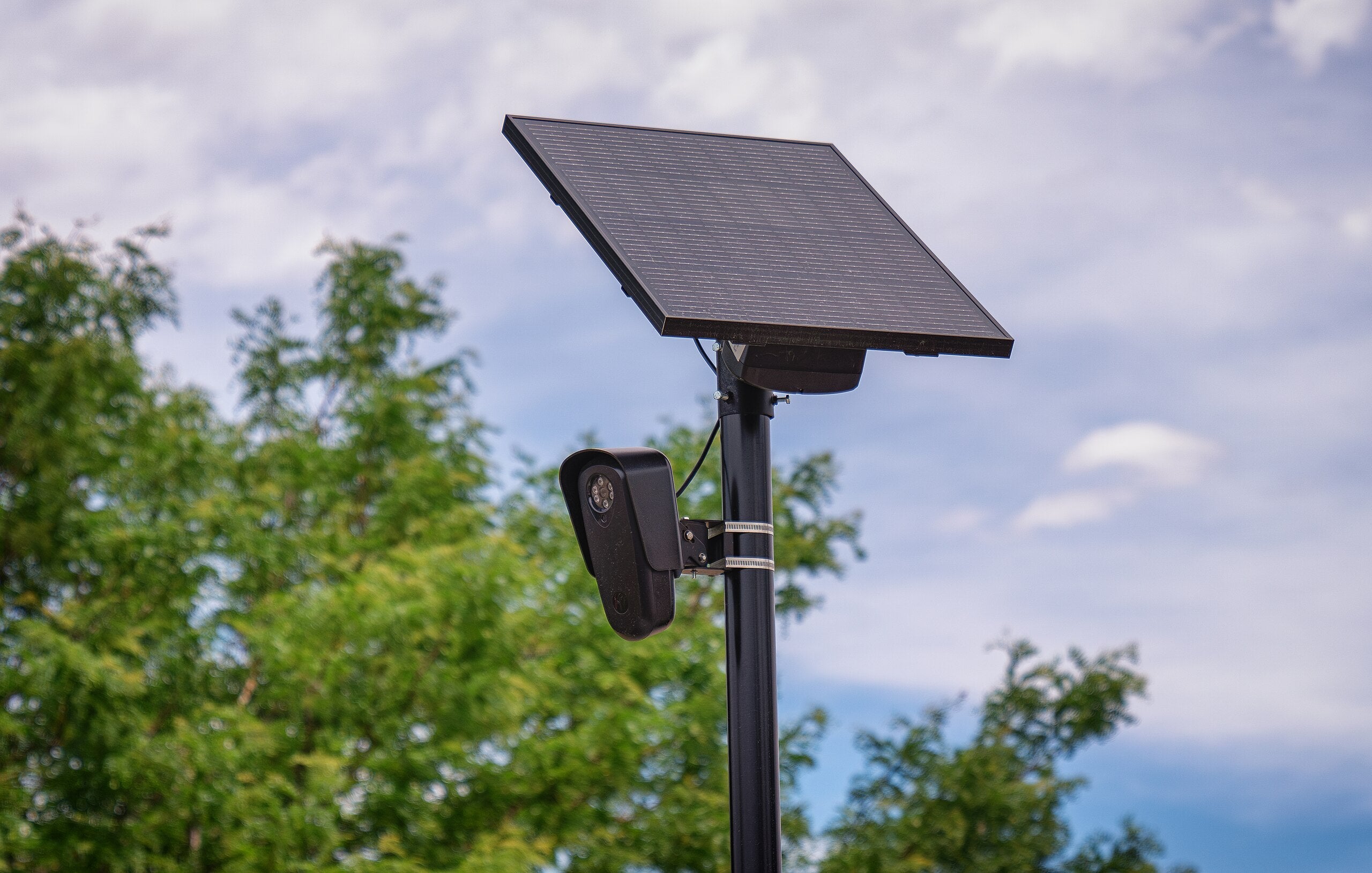
Automated surveillance technology has made this lesson painfully clear. Building on these performance failures, the ACLU recently warned that Flock license plate readers pose a major threat to civil liberties. The root of the problem is that their algorithms were unleashed into local communities long before being properly vetted. When software constantly misidentifies objects, treating those errors as minor public relations hiccups instead of fundamental engineering failures completely destroys public trust. A system that misinterprets basic data shows exactly what happens when public neighborhoods are treated as unconsenting beta testing grounds.
At SkyMapper, we refuse to cut corners or turn our community into test subjects. We have been listening closely to our backers and community members who voiced understandable concerns after our recent newsletter update. When you back a citizen science project dedicated to democratizing airspace data, hearing that we are collaborating with the United States Air Force Experimental Test Force at Edwards Air Force Base can sound like a sudden shift in our core mission. We completely understand why that news raised eyebrows and prompted sharp questions about whether our citizen project was turning into a military endeavor.
Working at Edwards alongside the Griffiss Institute is not a pivot away from our roots. It is a necessary step to make sure our technology actually works as promised. To accurately identify objects in the sky and avoid the dangerous false positives that plague systems like Flock, SkySphere needs to be tested in a strictly controlled setting. Distinguishing a distant drone from blinding sunlight, shifting cloud cover, or a flock of birds requires incredible algorithmic precision. The Experimental Test Force gives us a safe and highly monitored environment to properly calibrate our optical AI against complex aerospace variables before our hardware ever reaches public hands.
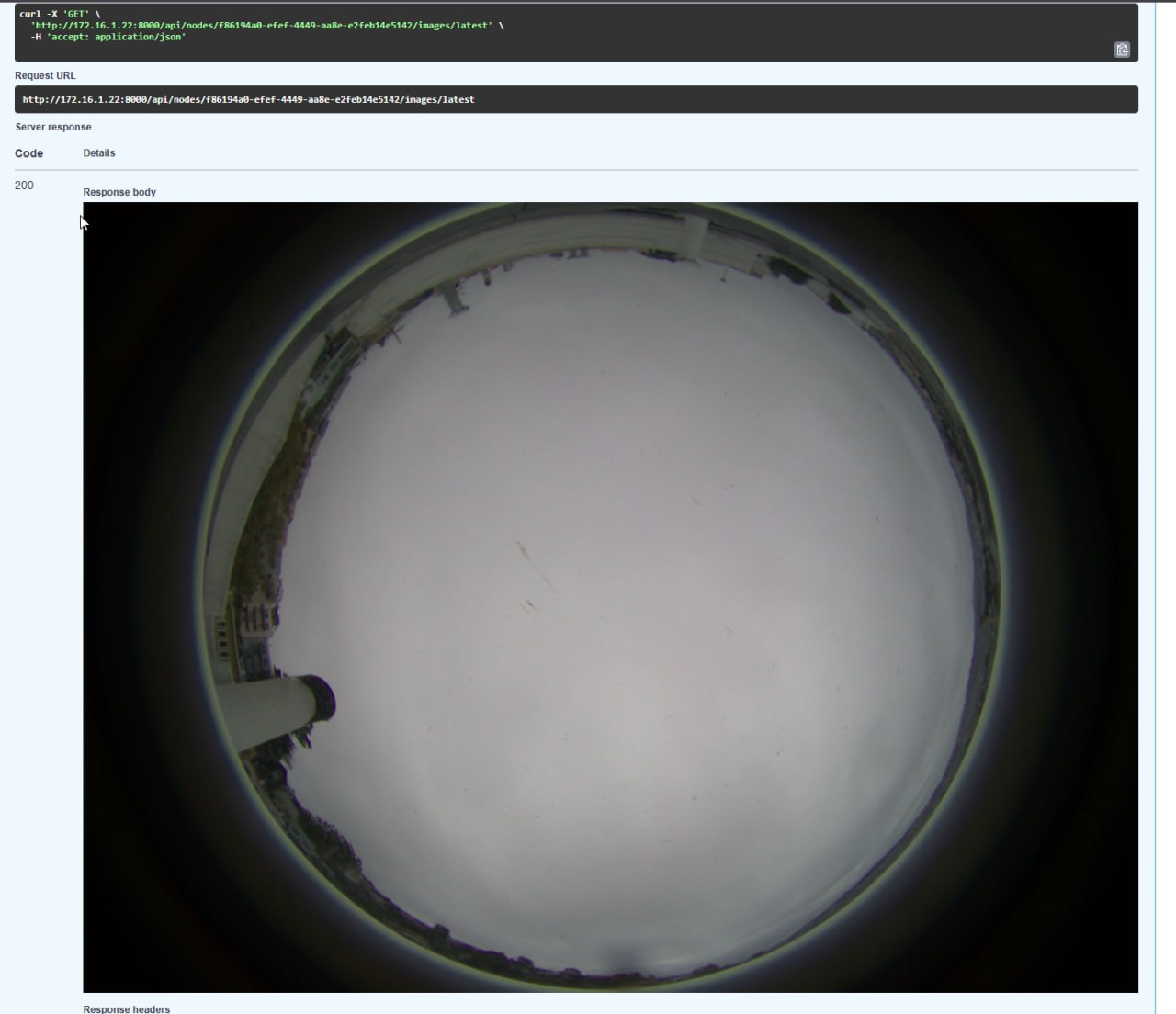
In fact, we have already taken this approach in the field. In March 2026, SkyMapper participated in the NATO TEVV Counter-UAS campaign at the Innovation Range in Sēlija, Latvia. We deployed two first-generation SkySphere systems equipped with our edge-AI detection software to identify small drones in real time. The two systems achieved verified detection rates of 83% and 92%, demonstrating that passive, all-sky optical sensing can successfully detect drones under real-world conditions.
But the exercise also taught us something equally important: demonstrating detection is only the beginning. Building a reliable product requires much more training and validation against drones flying at known distances, altitudes, trajectories, speeds, and under different lighting, weather, and background conditions. It also requires exposing the algorithms to birds, aircraft, clouds, glare, and other sources of potential false positives. That experience reinforced our conviction that controlled field testing is essential if we want to build an AI system that people can genuinely trust.
By proving our decentralized sensor network in a controlled environment today, we ensure that the open technology our citizen scientists deploy tomorrow is accurate, reliable, and worthy of your trust. We are building SkyMapper to empower communities, and rigorous field testing is how we ensure our data remains undeniable. Thank you for holding us accountable as we build this together.
sz326