Science is stepping into an unprecedented era of open collaboration, yet the digital ground beneath our most valuable discoveries is surprisingly soft.
A recent commentary in Scientific Data (Nature) highlights a critical tension at the heart of modern research: The Permanence Paradox. The global scientific community strives to make research findable, accessible, interoperable, and reusable, but the traditional servers hosting this wealth of knowledge are inherently fragile. Institutional budgets get cut, domains expire, hardware crashes, and administrative policies change overnight. Relying strictly on traditional cloud providers or single-university servers casts serious doubt on whether the observational data gathered today will still exist for researchers fifty years from now.
At SkyMapper, this isn't a theoretical exercise. It is the central engineering challenge we face every single day in astronomy and orbital tracking.
When a fast-moving object, whether a near-Earth asteroid, a passing comet, or an unexpected satellite maneuver, streaks through the night sky, you get one chance to capture it. There are no retakes. If a local buffer fails or a centralized server drops offline, that piece of cosmic history is gone forever.
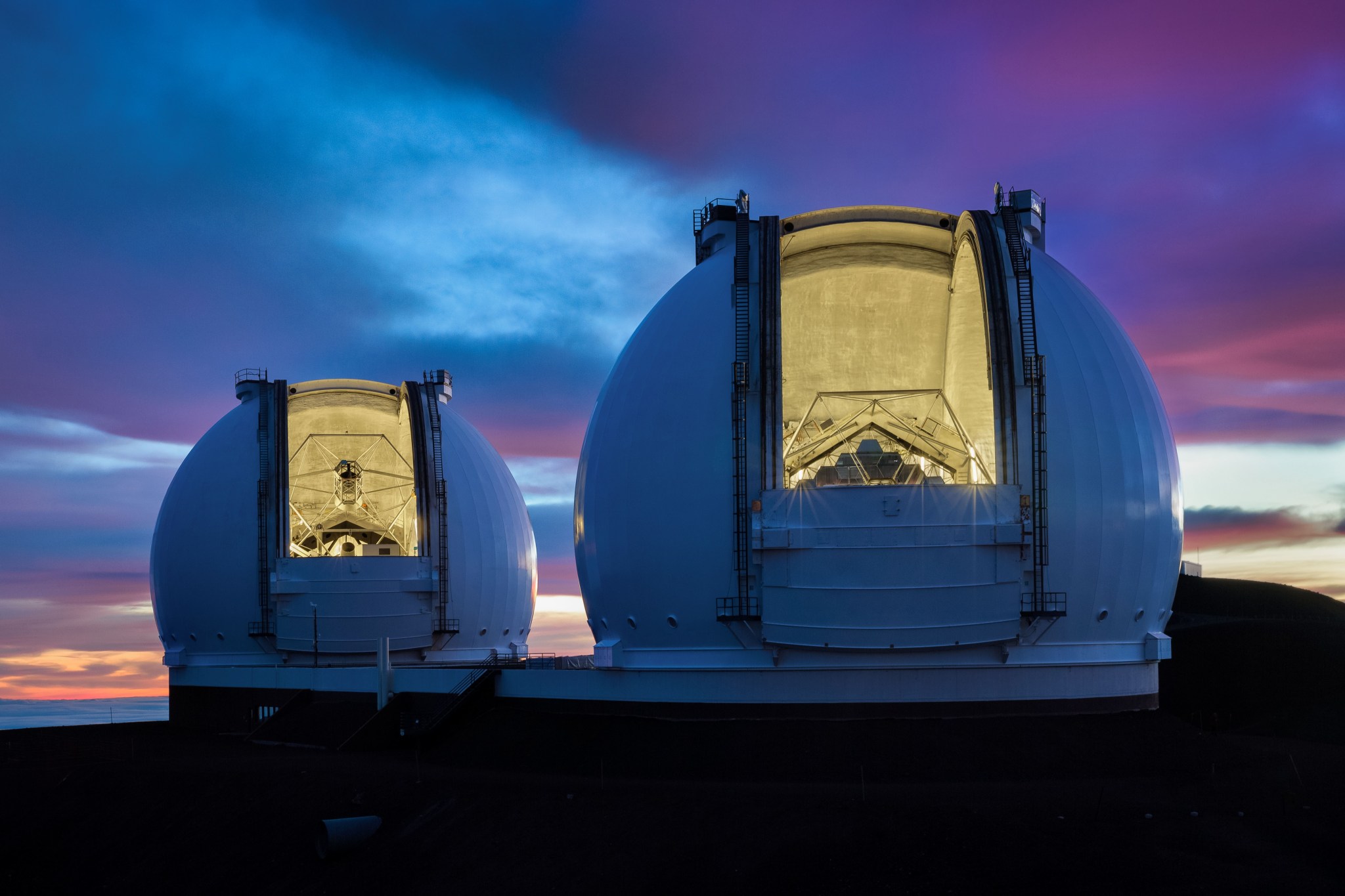
For decades, astronomical data has lived inside isolated institutional silos. That setup brings three distinct headaches. Datasets suffer from "link rot" whenever university departments migrate their systems. Proving data authenticity becomes a nightmare when multiple ground stations capture the same event and argue over raw, unedited feeds. On top of that, central IT teams routinely restrict API access or slap heavy egress fees on raw files, effectively locking out citizen scientists and independent AI researchers.
The commentary in Nature points toward a pragmatic middle ground: a hybrid model that pairs the cryptographic integrity and distributed permanence of decentralized storage networks with modern data access protocols.
That philosophy sits directly at the center of the SkyMapper architecture.
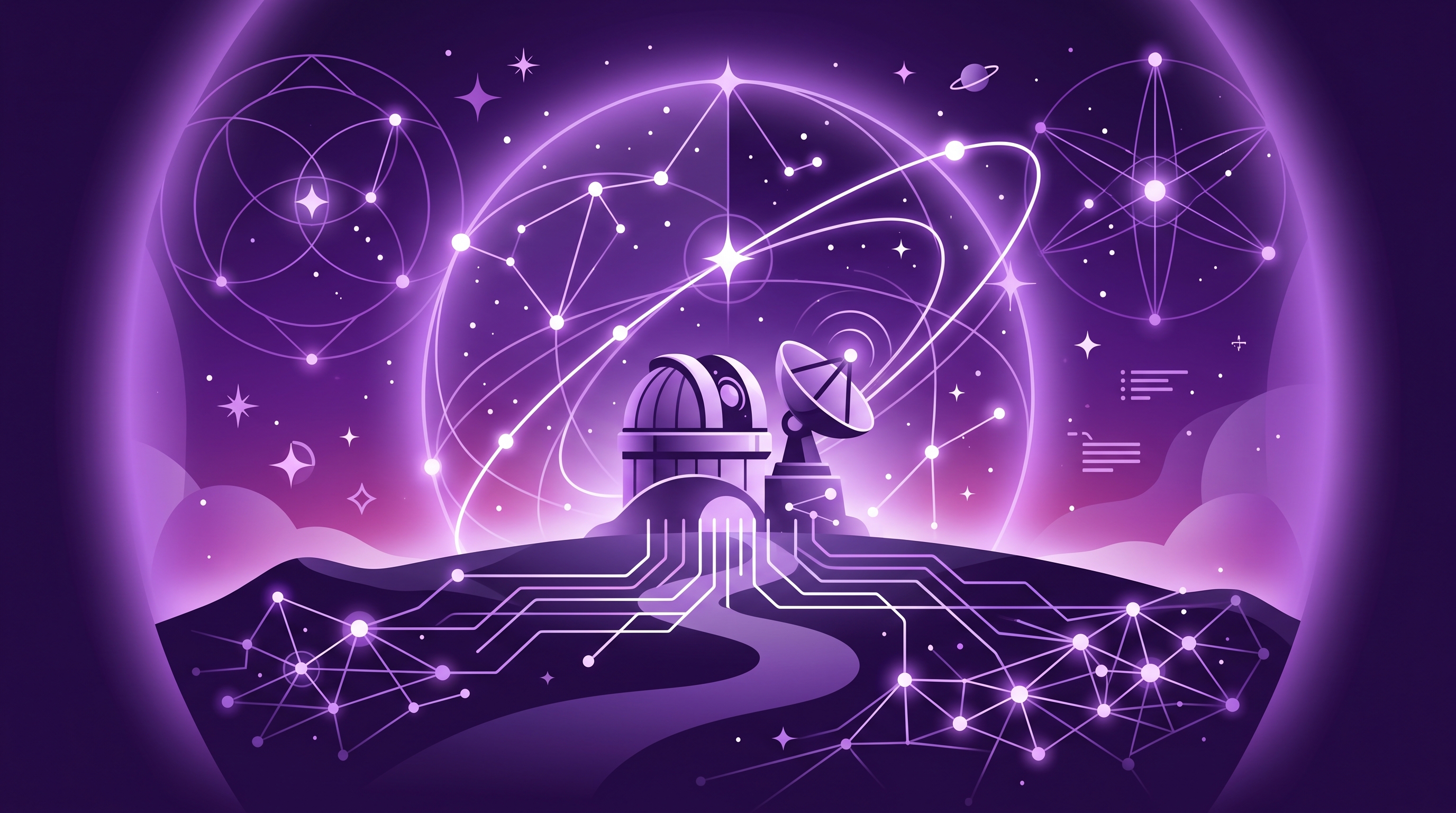
When a telescope connected to a SkyBridge hardware node records an observation, it does not simply upload a file to a standard cloud bucket. The system immediately captures its timestamp, geographic location, and precise optical parameters, hashing that raw payload into a unique cryptographic fingerprint. That fingerprint is written permanently to an immutable Avalanche L1 blockchain. Anyone, anywhere, can recompute the fingerprint of a stored file at any point in the future and verify that no one altered a single pixel.
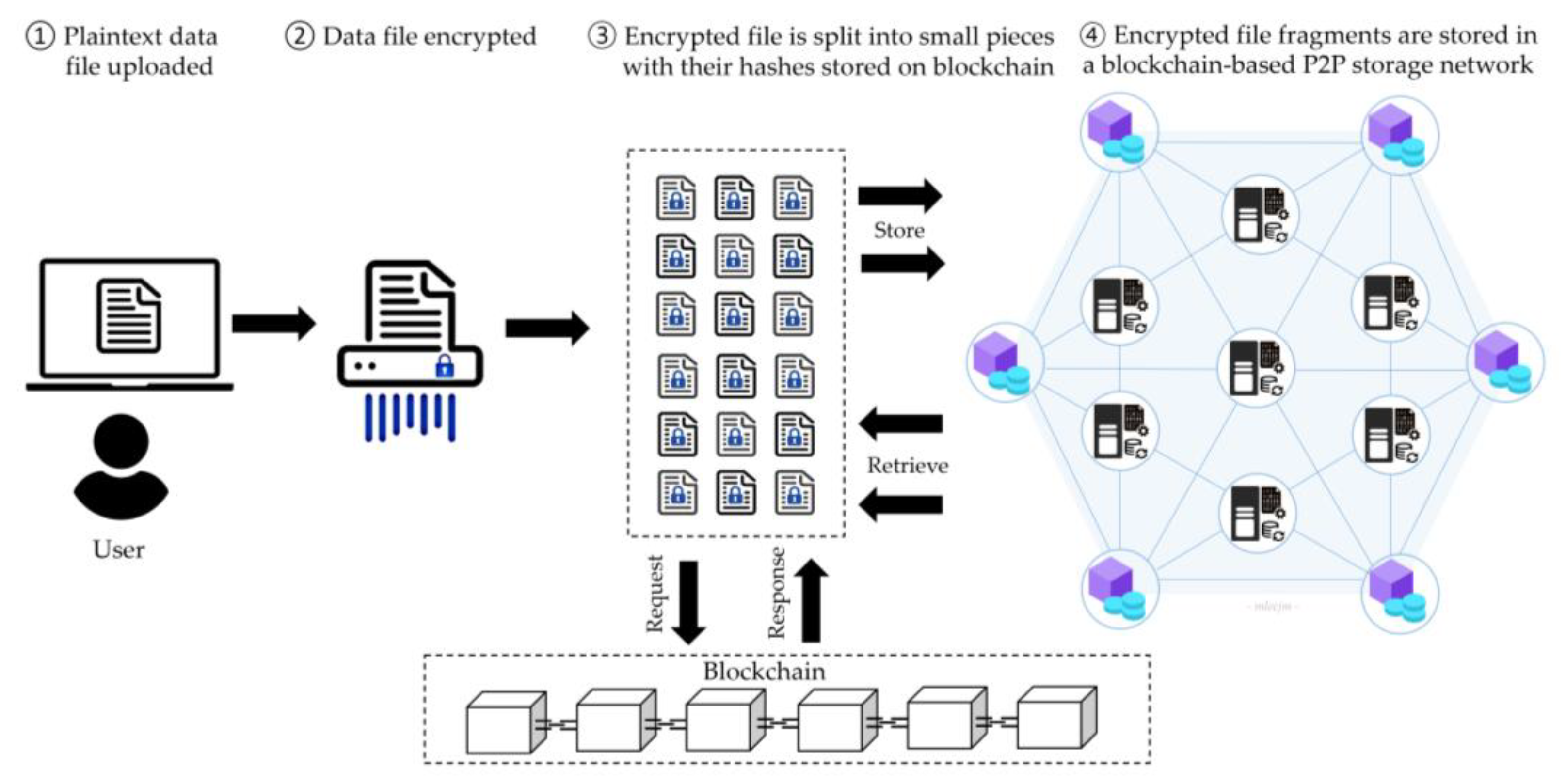
Because raw astronomical imagery is far too massive to store directly on-chain, SkyMapper routes the heavy data payloads through decentralized Web3 storage networks like Akave Cloud and IPFS. Files are encrypted, broken into redundant fragments through Reed–Solomon erasure coding, and scattered across a resilient global network of nodes. If half those nodes disappear tomorrow, the observation remains fully intact, completely bypassing the single points of failure that plague traditional data centers.
This fundamental shift from centralized trust to mathematical verification changes what we can build in real time. Instead of relying on a single gatekeeper to grant permission, professional astronomers, independent researchers, and autonomous AI agents query the exact same verified stream of truth through open tools like SkyViewer.
By marrying decentralized physical infrastructure with distributed storage, we are making sure humanity's shared record of the night sky remains permanent, provable, and accessible for generations to come.
Join the Network
- Explore the Sky: Jump into SkyViewer to view real-time feeds and track orbital targets.
- Connect Your Telescope: Turn your stargazing setup into a global research node with SkyBridge.
- Read the Research: Learn more about the debate on decentralized storage in open science in Nature Scientific Data.