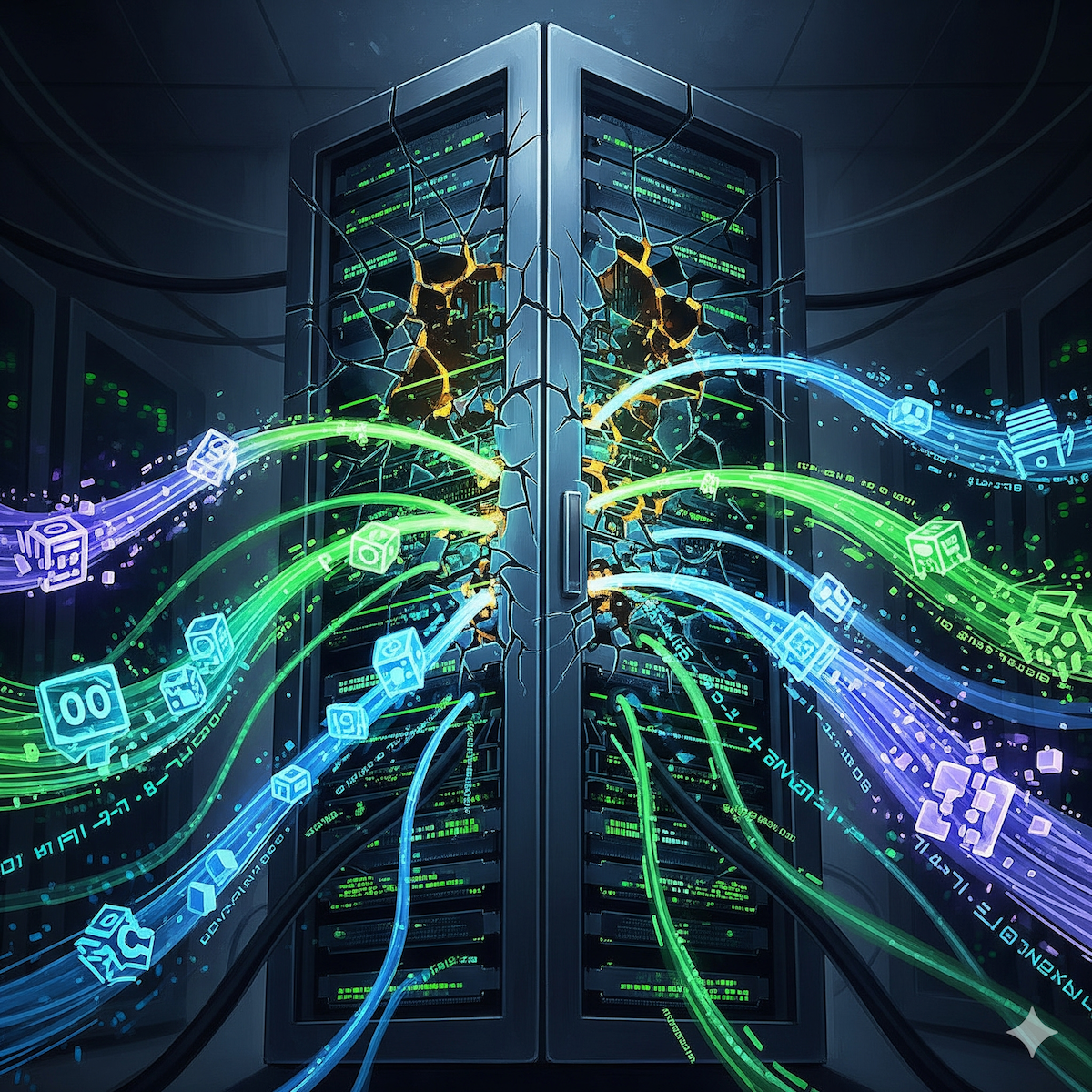
As recently highlighted by a massive outage affecting one of the world's largest cloud providers detailed here by Wired, a simple operational error in a single, centralized location can bring vast swaths of the global internet and essential services to a grinding halt. During such incidents, operations relying on those servers, including critical functions related to national security and healthcare, can be crippled, revealing a dangerous over-reliance on a few centralized providers.
This isn't just an inconvenience for streaming services, centralized data repositories are a profound national security risk and a threat to the integrity of critical data infrastructure.
The Peril of the Single Point of Failure
Presently, governments, financial institutions, defense contractors, and utilities entrust their most vital data to a handful of massive, centralized cloud infrastructures. This reliance creates an enormous, tempting target for adversaries and an inherent vulnerability to accidental incidents.
When a major centralized system fails, the impact is immediate and systemic:
- Critical Data Inaccessibility: Essential services, from emergency dispatch systems to patient medical records, become unreachable. In a crisis, minutes matter, and system downtime can cost lives or compromise national safety.
- Cyber Vulnerability: Centralized hubs are honey pots for cyberattacks. A successful breach of one core data center can yield a catastrophic harvest of national secrets and sensitive citizen data.
- Geopolitical Risk: Placing vital national infrastructure under the control of a company operating under a foreign jurisdiction introduces complex legal and operational dependencies that can be exploited during international disputes.
The lesson is clear: Centralization equals vulnerability.
Decentralization: The Only True Path to Resilience
The future of safeguarding critical data and national security lies not in bigger, more powerful centralized servers, but in highly resilient, redundant, and decentralized networks.
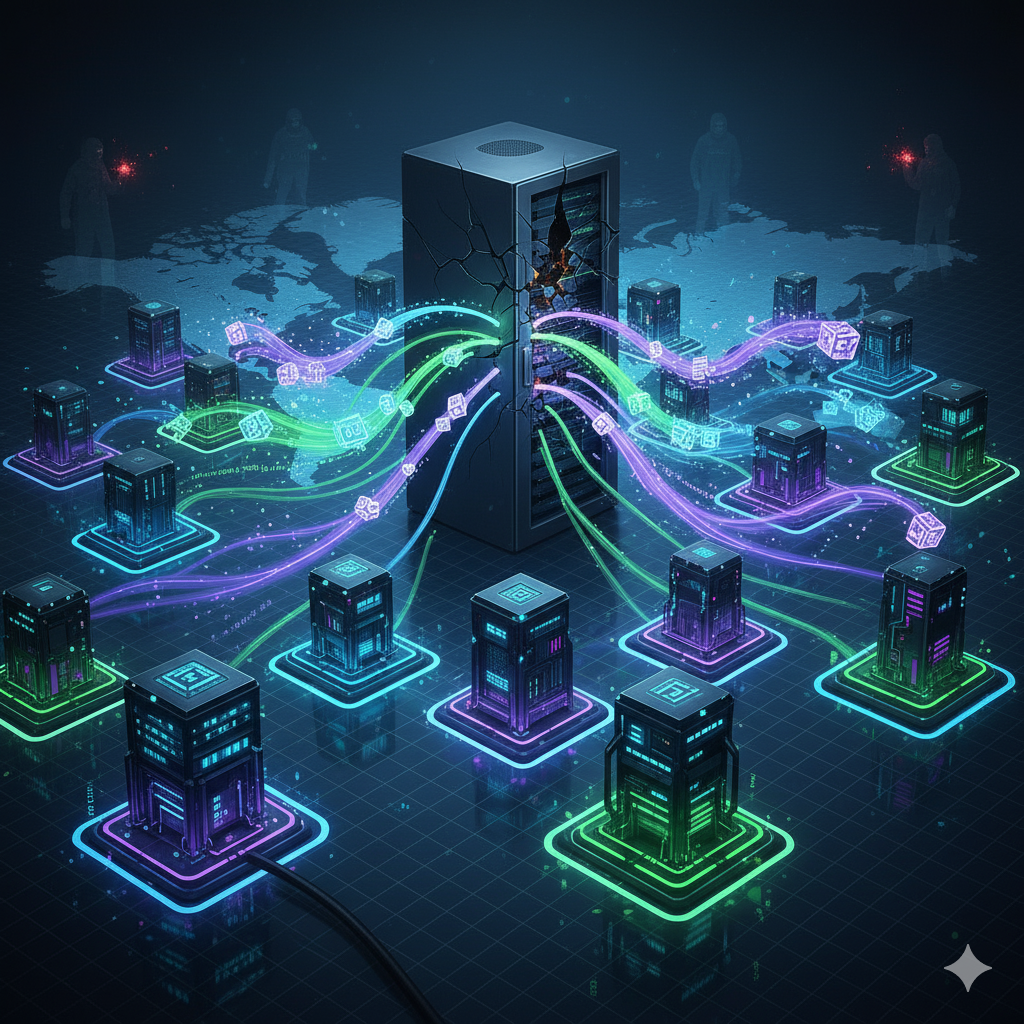
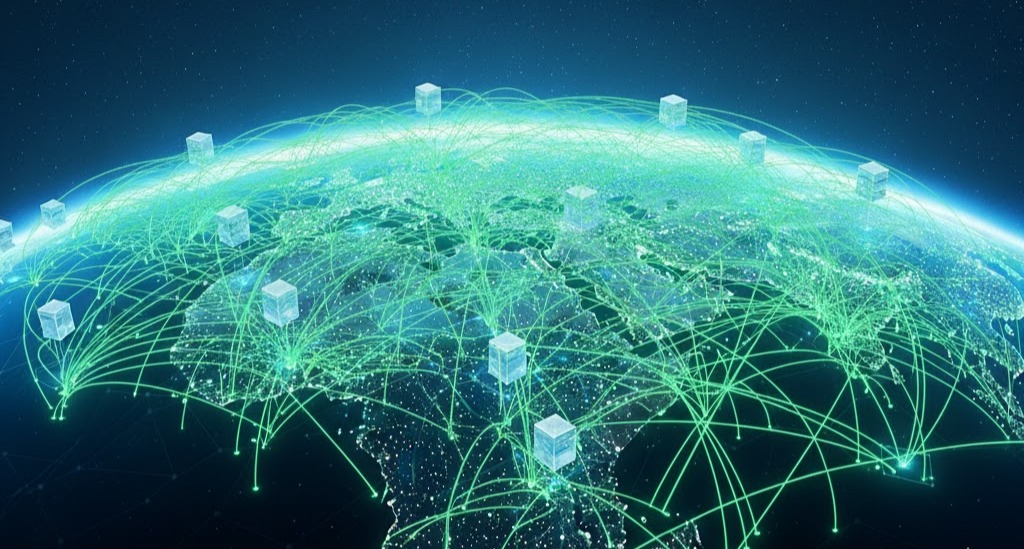
Decentralized networks fundamentally change the architecture of data storage. Instead of storing a full copy of sensitive data in one location, the data is:
- Fragmented: Encrypted, sharded, and broken down into pieces.
- Distributed: Spread across hundreds or thousands of independent nodes globally or within a trust-minimized network.
- Self-Healing: If a node or a geographical region goes offline, the network automatically retrieves the necessary fragments from redundant copies on other nodes, ensuring continuous uptime and access.
This model virtually eliminates localized outages and makes large-scale data theft exponentially more difficult. To compromise decentralized data, an attacker would need to successfully breach a vast number of disparate, unconnected storage nodes simultaneously. Such an undertaking would be a logistical nightmare for an adversary.
Skymapper: Securing Tomorrow's Infrastructure Today
At SkyMapper, we believe in the protection of critical data, and practice using an architecture that is resistant to both malice and accident.
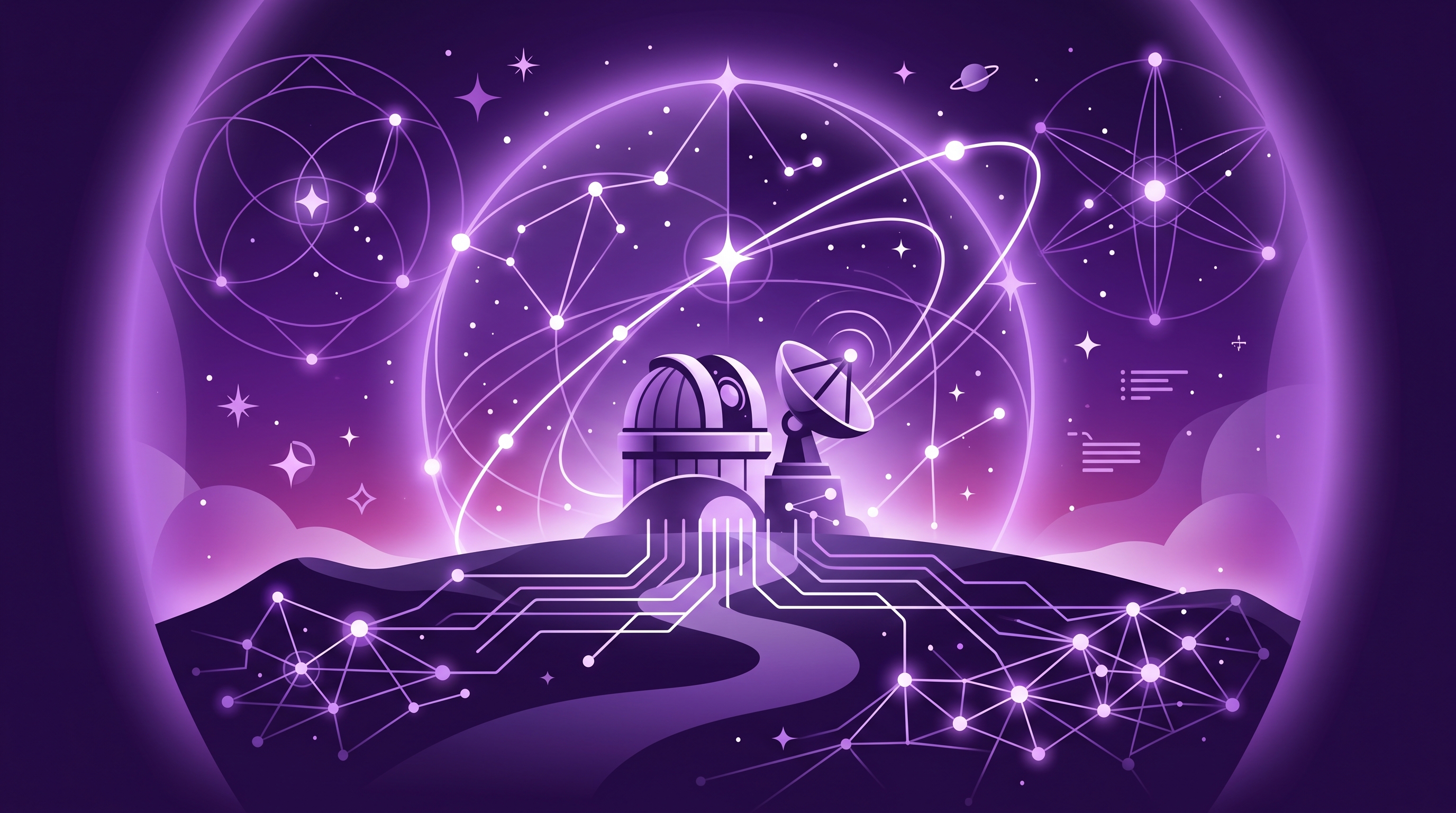
We are building the backbone of this decentralized future, providing the tools and protocols necessary for organizations to transition from vulnerable, centralized systems to robust, geo-distributed networks. SkyMapper leverages DePIN networks to securely store vast amounts of astronomical observational data, ensuring its integrity and immutability. This robust data integrity is crucial for securing research outcomes and maintaining the accuracy of space situational awareness.
The outdated centralization model, a product of early cloud computing, is no longer adequate to meet the national security demands of the 21st century. Decentralized networks represent more than just a technological advancement, they are a fundamental paradigm shift essential for safeguarding data and infrastructure. To achieve true resilience, we must abandon the concept of a single point of failure. The future of critical data storage and national security hinges on this transition.
For deep space exploration, situational awareness, or national security, SkyMapper's decentralized global network offers comprehensive coverage of the cosmos. Contact us to learn more.
SZ3 2025