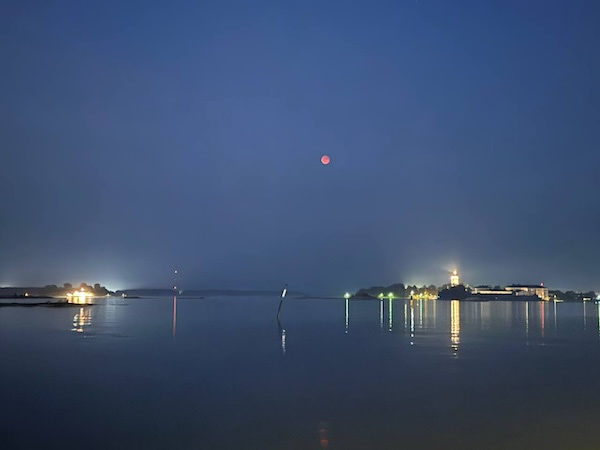
The EPSC-DPS Joint Meeting 2025 is a planetary science congress that took place from September 7th to September 12th, 2025, at Finlandia Hall in Helsinki, Finland. It was a collaborative event between the Europlanet Science Congress (EPSC) and the Division for Planetary Sciences (DPS) of the American Astronomical Society. It was wonderful to start this joint meeting not only with so many incredible colleagues, but with a stunning Blood Moon!
The meetings covered a broad range of planetary science topics, including the Martian surface, comets, planetary volcanism, and extrasolar planets, with the aim of connecting and fostering interaction between planetary scientists from Europe and the US. It was an inspiring gathering of minds, where groundbreaking research and innovative ideas sparked new conversations about the future of planetary exploration and collaboration.
Here's our team's highlights:
Franck Marchis kicked things off for the team presenting the value of the SkyMapper's decentralized network for scientific observations.

It's always a pleasure to see our partner, SETI, present their latest research. Ariel Graykowski's presentation on asteroid and comet monitoring was particularly insightful. She emphasized the significant potential for new discoveries through a network of small aperture telescopes and a data pipeline, building upon the established expertise of the SETI Institute.
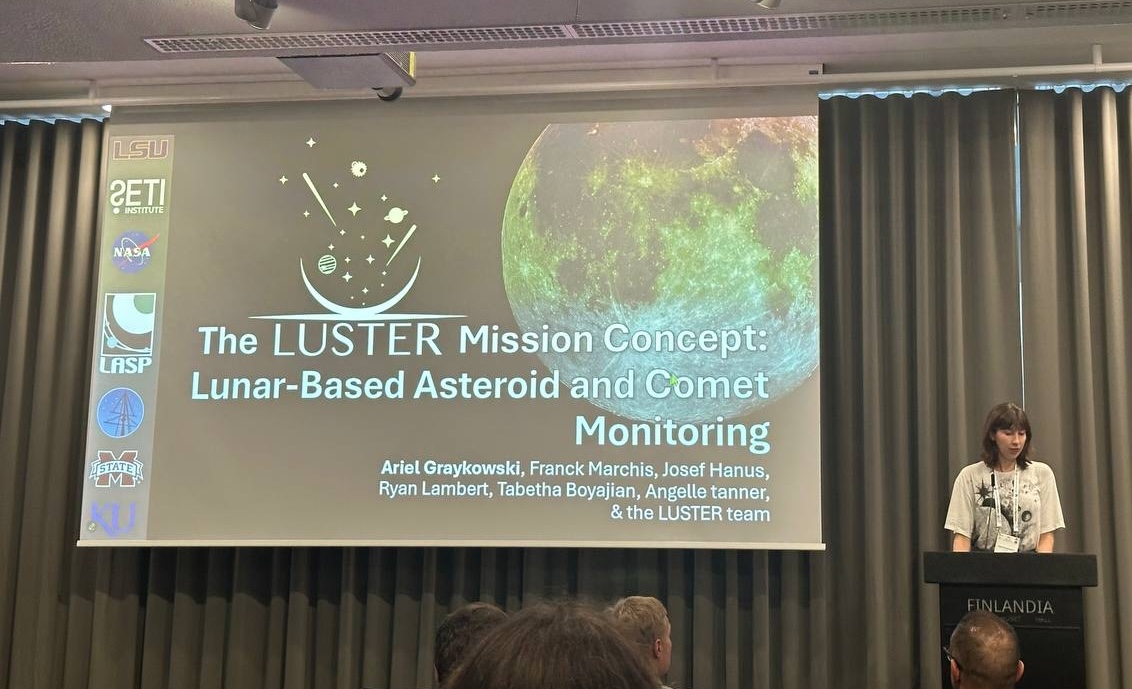
We envision integrating such a telescope network into the SkyMapper network, fostering collaboration between professional and citizen observers for impactful scientific contributions.
Astronomer Petr Pokorný pointed out how valuable Unistellar's citizen science network is, especially for spotting asteroids, emphasizing that the network can pick up occultation events from the small main-belt asteroid Oersted and as well as the nuances that observe how light curves around of near-Earth asteroids.

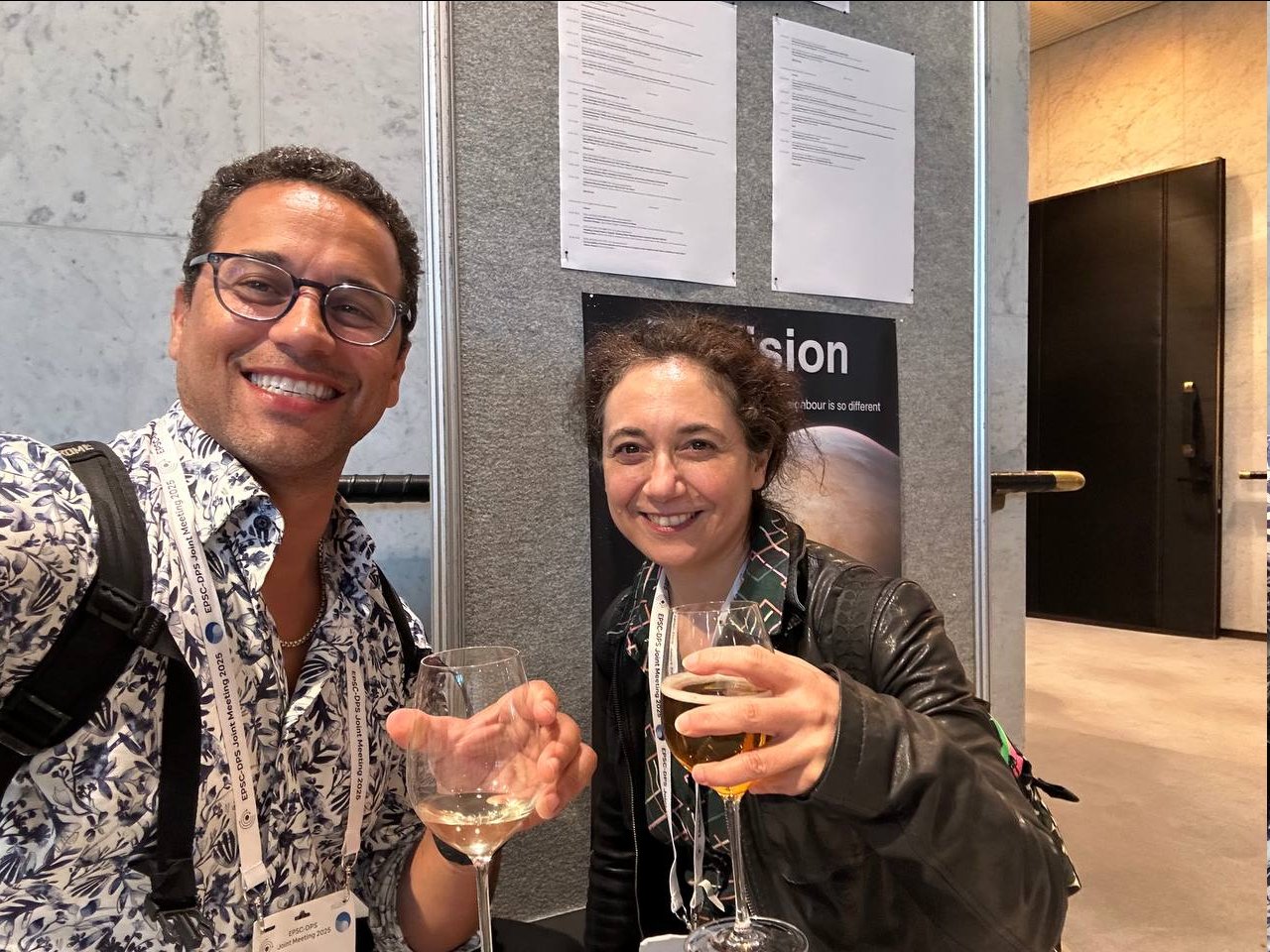
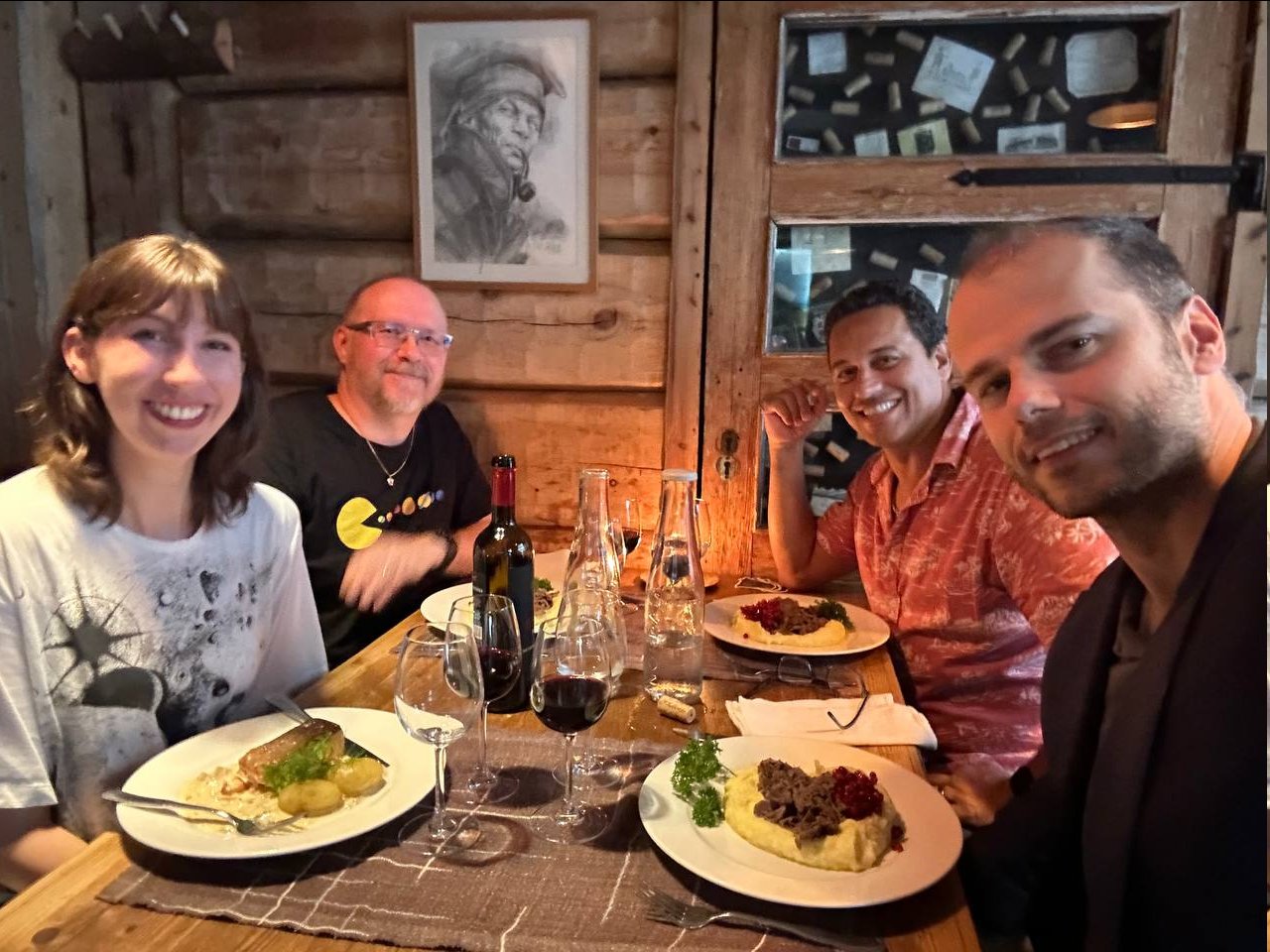
We were grateful to have the opportunity to share in new science with the community and spend some special one-on-one time with good friends!

For attendees of the EPSC-DPS Joint Meeting, recordings of all talks are available on the joint session page. For those who could not attend, public summaries of SkyMapper’s presentation materials are accessible through the links below:
Franck Marchis, Thomas M. Esposito, Josef Hanuš, Petr Pokorny, Ryan Lambert, Stuart Pilorz, Ariel Graykowski, and Lauren Sgro
Petr Pokorny, Josef Hanus, Franck Marchis, and Thomas M. Esposito
The LUSTER Mission Concept for Lunar-Based Asteroid and Comet Monitoring
Ariel Graykowski, Franck Marchis, Josef Hanus, Ryan Lambert, Tabetha Boyajian, and Angelle Tanner and the LUSTER Team
Josef Hanuš, Petr Pokorný, Franck Marchis, Ryan Lambert, Thomas M. Esposito, and Josef Ďurech
As we reflect on an inspiring week in Helsinki, one thing is clear: the future of planetary science lies in collaboration, innovation, and open access to the sky. SkyMapper is proud to stand at the forefront of this movement, building a decentralized network that empowers both professional astronomers and passionate citizen scientists. Together, we can unlock new discoveries and push the boundaries of what’s possible.
SZ3 2025